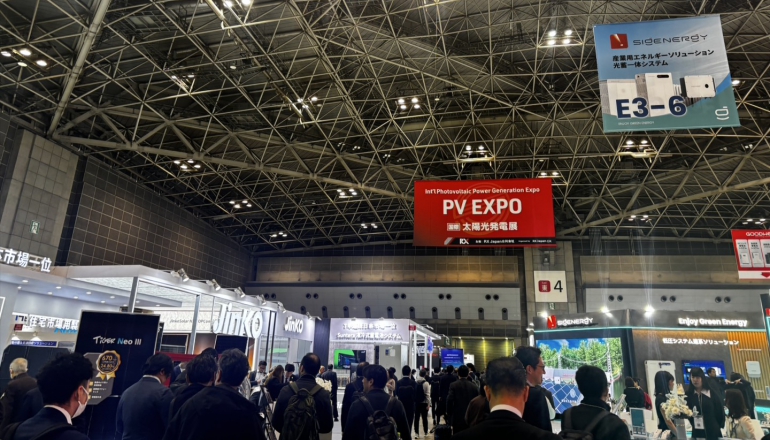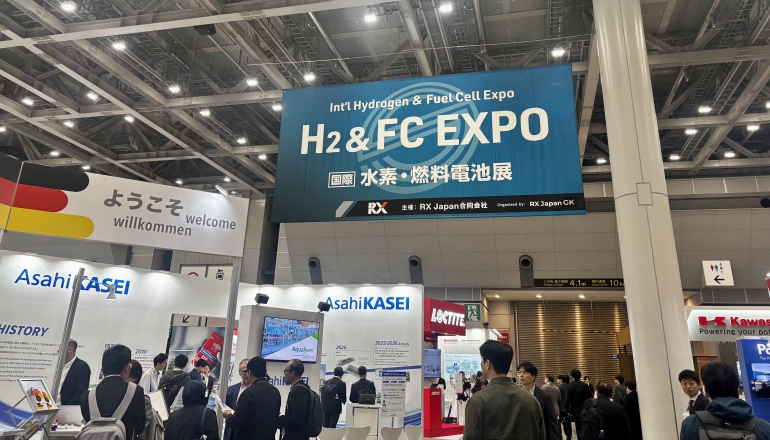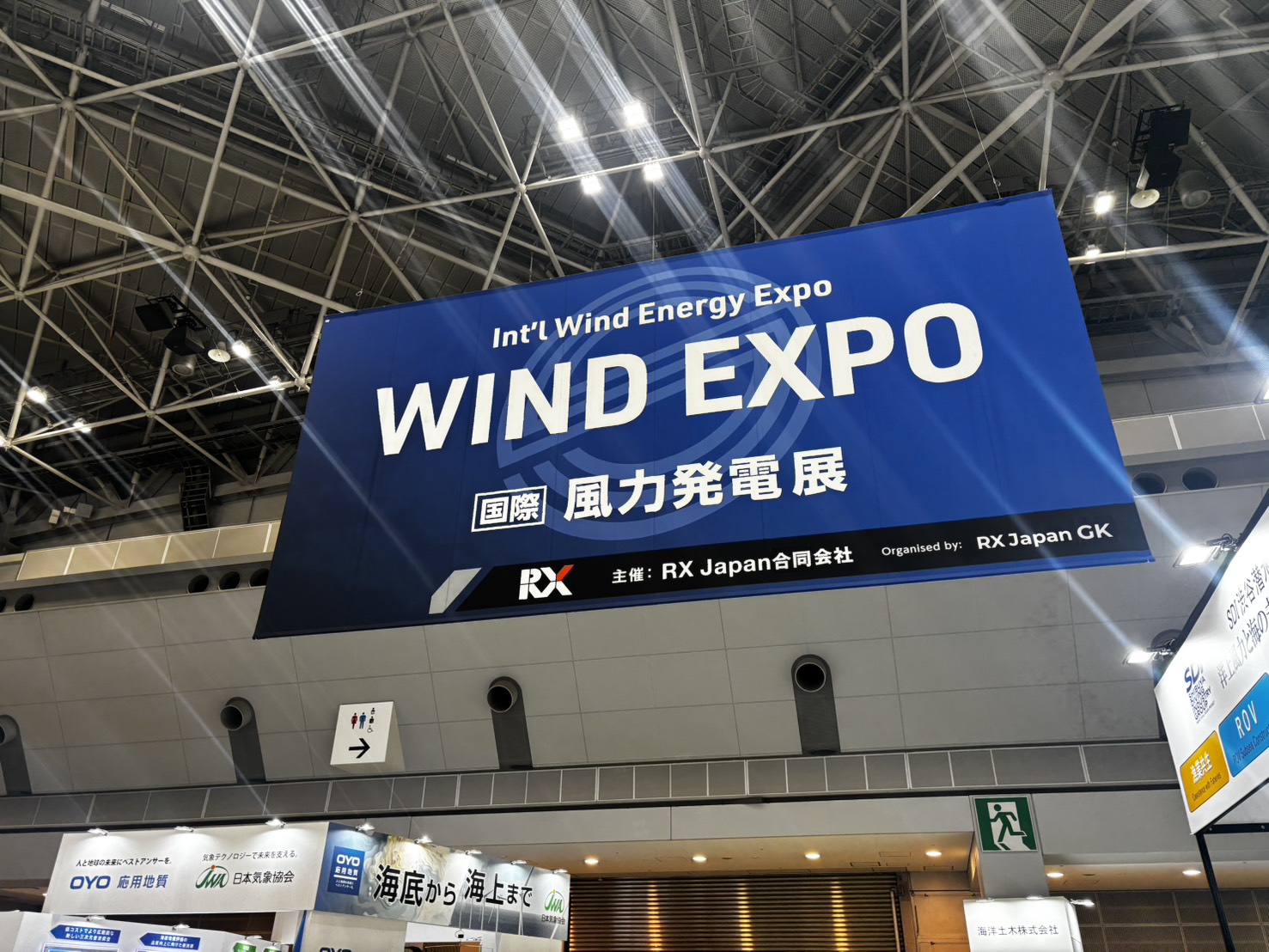
Surrounded by the sea, Japan sees offshore wind as a key pillar of energy self-sufficiency. (Photo: Daisy Chuang)
Under the dual pressures of energy security and the net zero transition, Japan is placing a major bet on offshore wind, targeting up to 45 GW of installed capacity by 2040. However, rising supply chain costs and regulatory uncertainty have weighed on market sentiment, with developers growing increasingly cautious. Sluggish project progress, limited policy incentives and tradeoffs tied to localization requirements are emerging as key factors that will determine whether Japan’s offshore wind ambitions can take off.
Cost pressures dent developer confidence, putting price incentives in focus
Japan aims to raise the share of renewable energy in its power mix to 40% to 50% by 2040, with wind accounting for 4% to 8%. However, limited land and mountainous terrain have constrained onshore development, making offshore wind a necessary focus.
On the policy front, the government has outlined a roadmap for offshore wind. Under an updated industry vision released on Aug. 8, 2025, Japan plans to center its strategy on floating offshore wind while continuing to develop fixed bottom projects, targeting 15 GW of capacity for each. The goal is to reach a total of 30 to 45 GW of offshore wind capacity by 2040.
Despite these ambitions, progress has lagged. Japan has yet to bring any offshore wind projects into commercial operation. Mitsubishi Corporation, which secured capacity in the first round of auction in December 2021, announced on Aug. 27, 2025 that it would withdraw from three projects in Chiba and Akita. The company cited surging construction costs driven by supply chain constraints, inflation, a weakening yen and rising interest rates, making the projects no longer financially viable.
Unlock this article to learn three key takeaways:
- Japan targets 45 GW of offshore wind by 2040, but faces mounting challenges in project development
- Rising costs are making developers more cautious, with solutions still emerging
- Japan is balancing localization and floating wind development while managing risks and technology maturity