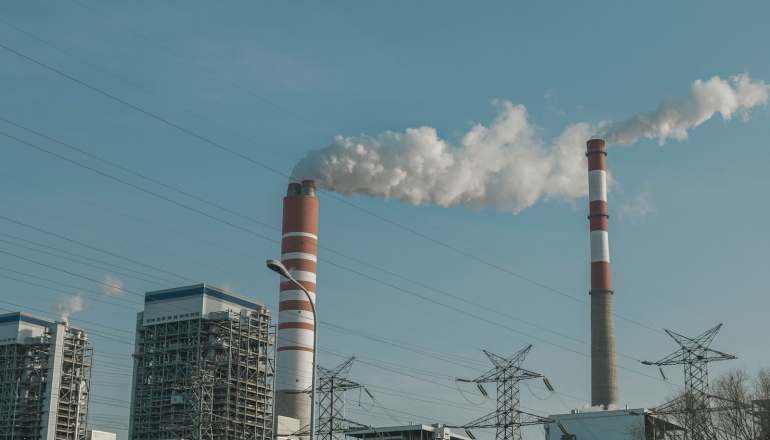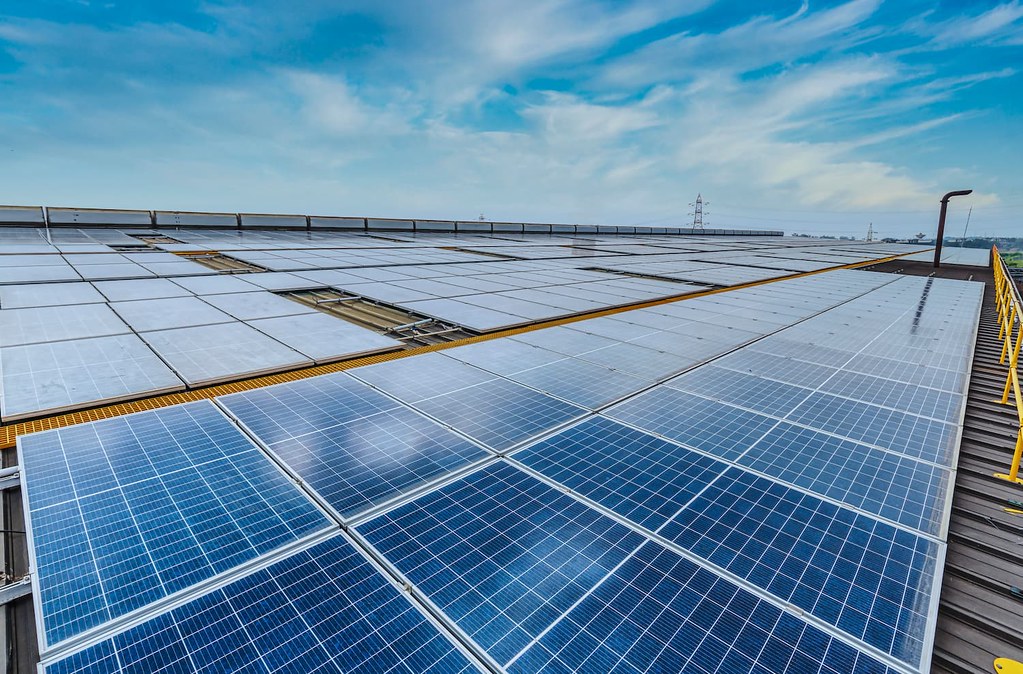
Most companies operating in Vietnam currently rely on rooftop solar and I-RECs to procure renewable energy. (Photo: iStock)
As global supply chains continue to reorganize, Vietnam has emerged as a key manufacturing destination for Taiwanese businesses, benefiting from its young workforce and trade advantages. Over the past two years, however, international brands have increasingly extended decarbonization requirements to encompass their suppliers. Combined with the rollout of the EU’s Carbon Border Adjustment Mechanism (CBAM), export-oriented sectors such as electronics and textiles in Vietnam are facing mounting pressure to cut emissions.
The issue has also begun attracting attention from investors. At electronics manufacturer LITEON Technology’s annual shareholders meeting this year, one shareholder asked whether the company’s renewable energy procurement and rooftop solar deployment in Southeast Asia were progressing as planned, given the region’s relatively immature green power markets and policy frameworks. The question highlights a growing concern among investors: as more companies commit to RE100, securing renewable electricity at manufacturing sites has become increasingly important.
Jessie Tsai, an energy market analyst at RECCESSARY who specializes in ASEAN and Taiwan energy markets, observed that most companies operating in Vietnam currently rely on rooftop solar installations and I-RECs to meet their renewable energy needs. However, both options are beginning to show limitations, leaving many businesses searching for more advanced decarbonization tools and procurement solutions
Unlock the full article to explore three key takeaways:
- Vietnam’s green power market has reached a bottleneck. Rooftop solar and I-RECs remain the primary procurement tools, but frequent changes to electricity policies have limited their effectiveness, leaving many companies in a wait-and-see mode.
- Electronics and textile manufacturers face different decarbonization challenges. For electronics companies, emissions are concentrated in Scope 2 electricity consumption, while textile manufacturers tend to have higher Scope 1 emissions from fuel combustion and production processes, requiring different pathways to decarbonization.
- RECCESSARY’s Vietnam Low-Carbon Manufacturing Maturity Matrix shows that most Taiwanese manufacturers remain at the “commitment driven” stage, while multinational companies such as the Lego Group have already emerged as low carbon leaders.