Plastic is now ubiquitous in the Mekong, Asia’s Mother of Rivers, and experts and local people are struggling to contain the risks to human health, biodiversity and livelihoods.
.jpg)
Plastics and other waste accumulate along the riverbank near the city of Can Tho in Vietnam’s Mekong Delta region (Image: Anton L. Delgado / Dialogue Earth)
On Son Island in Vietnam’s Mekong Delta, Le Trung Tin scatters fish feed into his ponds, where dozens of snakehead fish leap through the surface in synchronised bursts. “I taught them how to do that,” he says proudly, tossing another handful of feed at his fish.
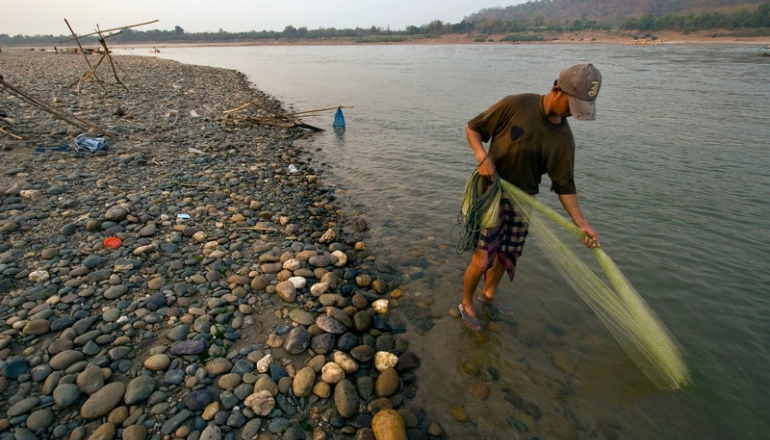
The scene looks idyllic, but Le’s fish farm is a reluctant response to an escalating crisis. For decades, he made his living fishing the Hau River, a distributary of the Mekong. But in recent years, plastic waste clogged his nets and strangled the fish. “I had no choice but to stop,” he says. “Everything was tangled – trash, nets, even the fish themselves. It was hopeless.”
Now, Le relies on enclosed ponds using filtered water to keep his fish alive. “I built this ecological environment free of plastic waste, chemical spills and [protected it from] extreme weather,” he says.
Le’s experience reflects the wider challenges facing the Mekong. Stretching over 4,300 kilometres from the Tibetan Plateau to the South China Sea, the river supports nearly 70 million people and some of the world’s most biodiverse ecosystems. Yet, it is one of the most plastic-polluted rivers in the world and among the 10 rivers in Asia that carry the vast majority of plastic to the sea. The Mekong dumps – by some estimates – tens of thousands of tonnes each year into the ocean, with plastic waste accumulating along its banks, tributaries and lakes.
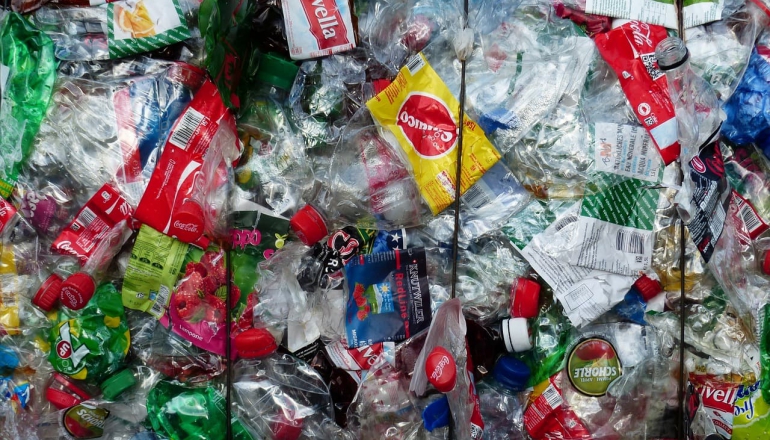
Plastic enters the Mekong in myriad ways – agricultural runoff, unregulated dumping and a flood of single-use packaging from upstream countries like China and Myanmar. It accumulates in hotspots like Tonle Sap Lake in Cambodia and the wetlands of Vietnam’s Mekong Delta, where this plastic waste threatens biodiversity, food security and human health.
The unchecked proliferation of single-use plastics, combined with a lack of waste management infrastructure across the region, has resulted in widespread mismanagement of plastic waste – much of which is neither recycled, incinerated nor properly disposed in landfills. Vietnam, often ranked as the world’s fourth-largest contributor of mismanaged plastic waste, also accounts for a significant share of marine plastic debris, highlighting the country’s struggle to address the crisis effectively.
Addressing the Mekong’s plastic pollution crisis will require coordinated efforts from regional governments and transboundary organisations, however experts say a lasting solution requires a bold global agreement limiting plastic use and production, combined with enforceable regional policies.
A global crisis: Will the plastics treaty deliver?
Hopes were high as national negotiators gathered in Busan, South Korea, to finalise the Global Plastics Treaty – an ambitious UN effort aimed at tackling the global plastic pollution crisis. However, the talks were adjourned earlier this month without agreement, leaving campaigners frustrated in their push for the treaty to address both ends of the crisis: limiting plastic production and improving global waste-management systems.
On Sunday 1 December, the final day of the summit, Eirik Lindebjerg, global plastics policy lead for WWF, said governments were “no closer to agreeing on a solution to the worsening plastic crisis.”
“For too long, a small minority of states have held the negotiation process hostage. It is abundantly clear that these countries have no intention of finding a meaningful solution to this crisis,” he continued in a press release. “It is unjust that those who bear the greatest burden of plastic pollution are being denied the opportunity to forge a solution among themselves by those profiteering off the unregulated production and consumption of plastic.”
Critics also point out that previous global agreements to resolve environmental crises, such as climate change and biodiversity loss, have fallen short of their goals due to weak enforcement mechanisms and the influence of powerful industry lobbying groups.