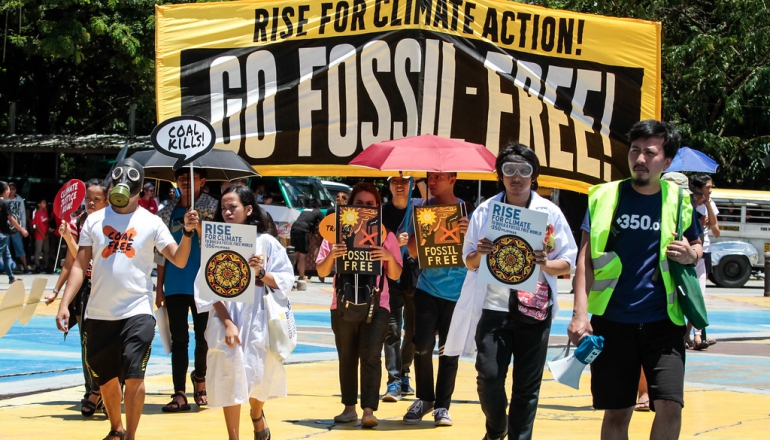
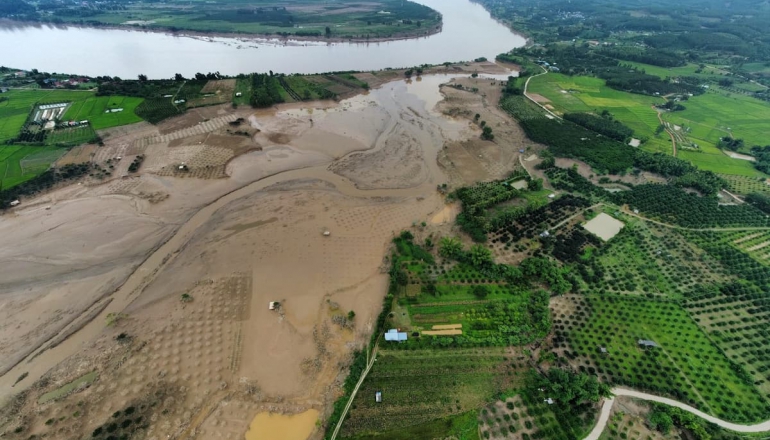
Environmental defenders across Southeast Asia face threats, violence and legal hurdles in their fight for justice. Five share their struggles.
.jpg)
(Illustration: Sao Sreymao; Photos: Garry Lotulung)
Across Southeast Asia, environmental defenders and journalists are navigating an increasingly hostile landscape: arrest and interrogation, threats of violence, blatant disregard for the law, bureaucratic obstacles and deliberate legal ambiguity. These are not isolated incidents but part of a growing pattern of suppression aimed at silencing those who stand at the intersection of environmental justice and accountability.
The freedom of the press and civil society to investigate, report and act is a fundamental human right. Beyond its intrinsic value, this freedom is instrumental in holding governments, corporations and other powerful actors accountable, driving transparency and shaping policies that protect both people and the planet. Without these freedoms, the pathway to environmentally and socially just outcomes is obstructed.
Yet, in Southeast Asia, these freedoms are increasingly under fire. From government crackdowns and threats of physical violence, to more insidious and indirect forms of intimidation, like lawsuits, the space for environmental defenders and journalists across the region is shrinking. According to Global Witness, Asia accounted for the murders of 468 defenders between 2012 and 2023, with the Philippines, Indonesia and Thailand among the most dangerous in the region.
Ironically, this troubling trend is starkly at odds with regional body the Association of Southeast Asian Nations (ASEAN’s) announcement of a draft regional environmental rights declaration in March 2024. The declaration, which builds on the UN’s 2021 formal recognition of “the right to a safe, clean, healthy and sustainable environment”, aspires to enshrine this right in the region’s legal and political frameworks. But the lived reality for many environmental defenders tells a far darker story.
Five environmental defenders and journalists from across the region tell their stories.
Myanmar: Silencing voices amid military repression
.jpg)
(Illustration and photos: Sao Sreymao)
As a journalist with over a decade of experience in Myanmar, I have witnessed firsthand the dangers environmental defenders face. In 2016, while working for the Associated Press, my team investigated illegal logging in Kawlin and Katha townships in Myanmar’s Sagaing region. We discovered illegal loggers, backed by thugs and organised crime, intimidating local environmental activists. Despite locals knowing the locations of these illegal operations, they were powerless to act due to threats from the illegal loggers, corrupt officials and soldiers. Corruption within law enforcement and the Forestry Department further facilitated this exploitation of natural resources.