From the Philippines to Saint Kitts and Nevis, tropical islands are grappling with degradation, drought and desertification
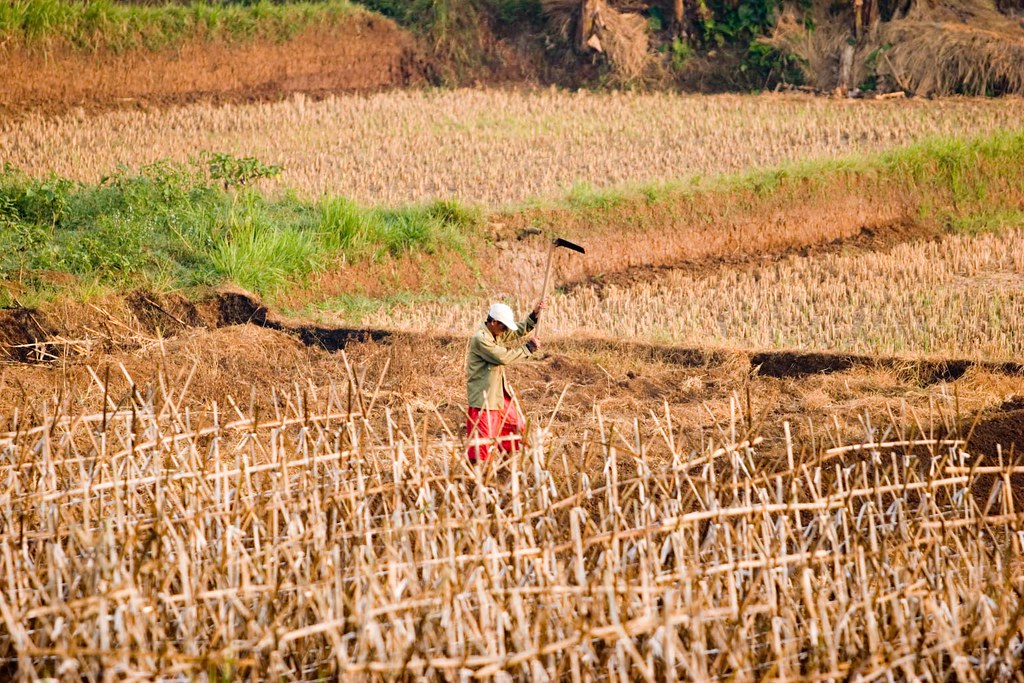
Drought in Bogor Regency, Indonesia. (Photo: Danumurthi Mahendra/Flickr)
Luxurious resorts, pristine beaches and lush forests define the popular image of tropical islands. But behind this idyllic facade, a quiet land crisis is unfolding, compounding the threat posed by rising sea levels.
Land degradation – a phenomenon most associated with dry regions of Africa and Central Asia – is also occurring in tropical island nations. When land degrades, soil loses its productivity, biodiversity and overall health, which can lead to food shortages and forced migration.
Small Island Developing States (Sids) is a UN-recognised group comprising 39 states and 18 associate members. Sids are “among the most vulnerable countries to land degradation due to their physical nature, small size and escarped landscapes,” according to a 2020 UN report. The issue is also reaching critical levels among larger island nations, such as Indonesia.
Island nations “have to balance the provision of food and all the other services that come from nature”, Barron Orr, chief scientist of the UN Convention to Combat Desertification (UNCCD), tells Dialogue Earth. “Ensuring that there is integrity of the land and the soil is key.”
Drivers of the crisis
At the recent UNCCD COP16 in Riyadh, Saudi Arabia, the convention’s executive secretary, Ibrahim Thiaw, warned that “every second, somewhere in the world, we lose an equivalent of four football fields to land degradation.” For island nations with limited landmass, the impact can be more pronounced.