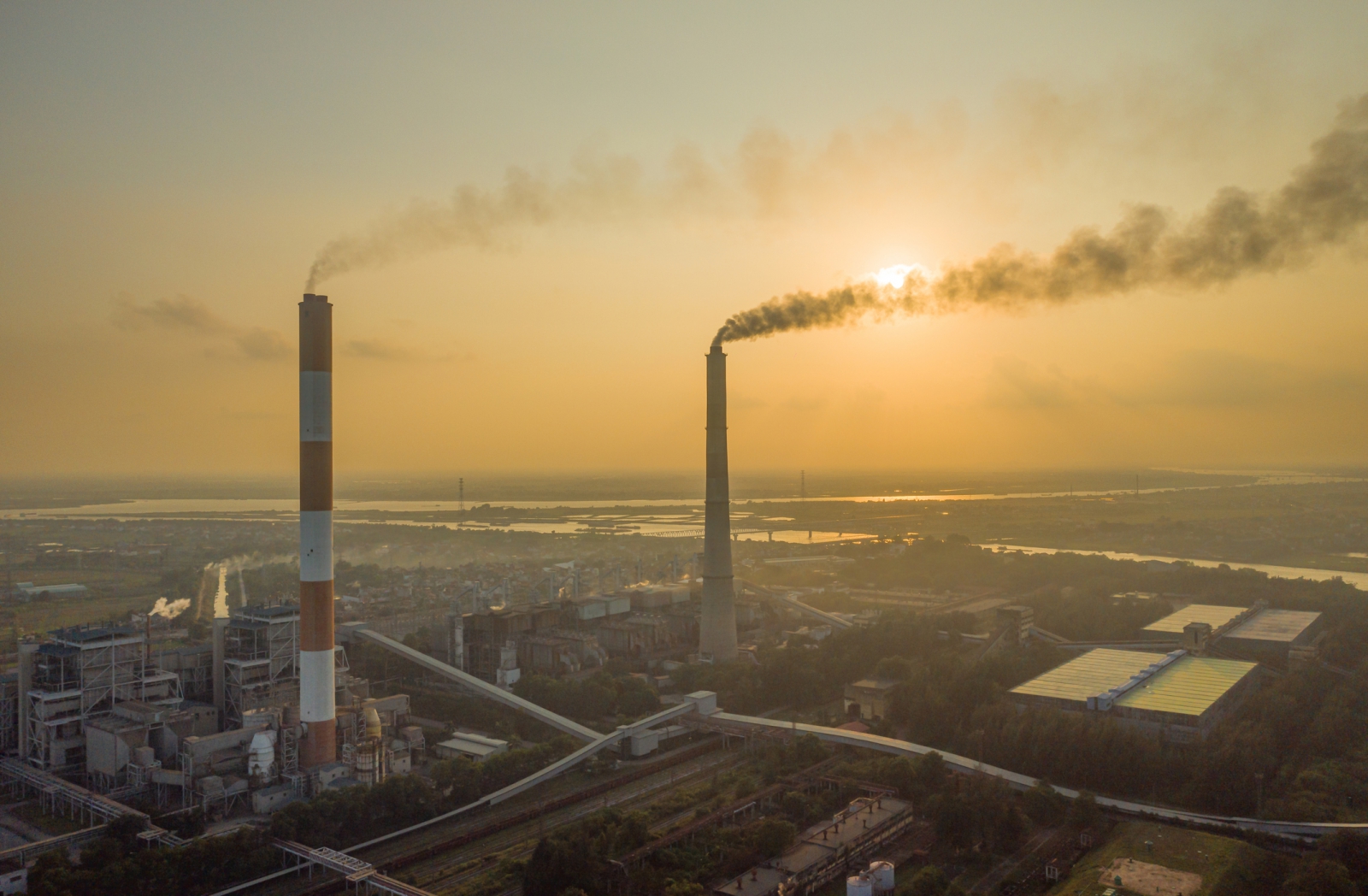
Most ASEAN countries are climate-vulnerable nations and heavily rely on resources provided by Western countries for energy transition. (Photo: iStock)
Western climate policy rollbacks are raising concerns about setbacks to Southeast Asia’s energy transition, as reduced financing and weaker climate accountability could slow progress across the region.
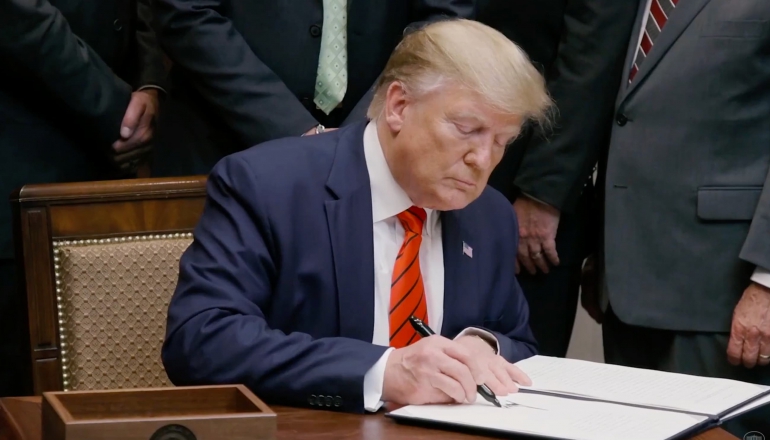
The U.S. recently withdrew from the Just Energy Transition Partnership (JETP), disrupting an estimated USD 3 billion in green financing for Indonesia and Vietnam. Meanwhile, the European Union has shifted toward a more simplified and pragmatic emissions policy, easing corporate sustainability disclosure requirements.
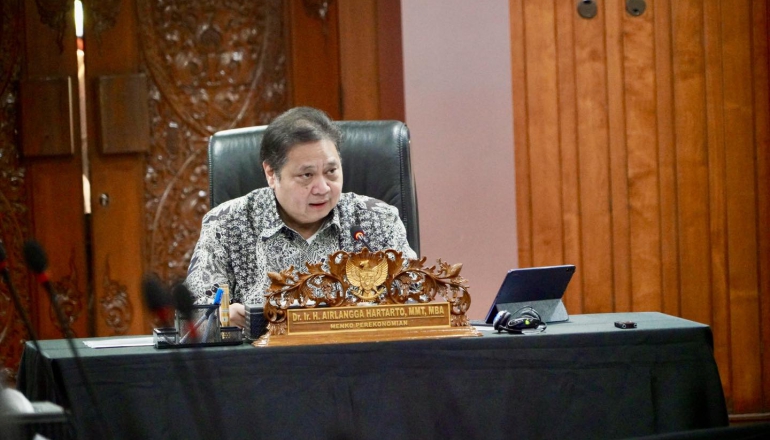
Despite these headwinds, governments across ASEAN continue to prioritize sustainability. Indonesia’s sovereign wealth fund, Danantara, and Vietnam’s infrastructure investments both channel funds toward industrial decarbonization. But as Western policies shift, what strategies can ASEAN adopt to stay on course?
What do Western policy shifts mean for Southeast Asia’s energy future?
The U.S. accounted for around 8% of total climate finance contributions to developing countries among donor nations in 2024. The country planned to invest USD 11 billion in climate aid this year, but major cuts followed the return of Donald Trump. In addition to formally withdrawing from the Paris Agreement, the U.S. pulled back its USD 4 billion commitment to the Green Climate Fund and stepped down from the board of the Loss and Damage Fund.