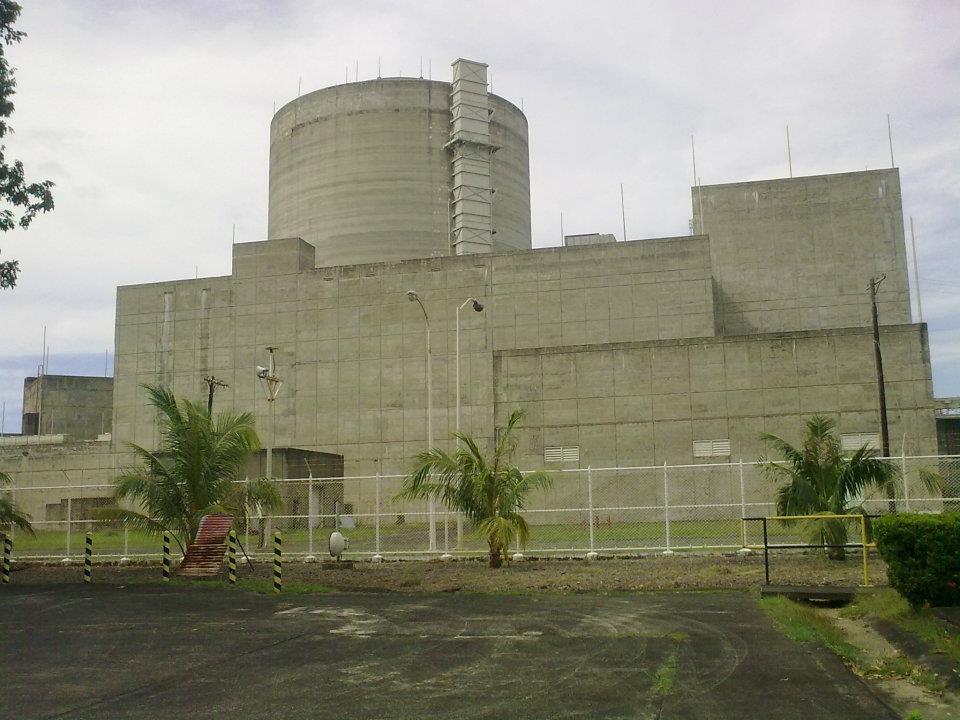
The Bataan Nuclear Power Plant in the Philippines, which has been idle since 1986, is now set to be revived under the President Marcos Jr. (Source: Wikimedia Commons)
While Taiwan has recently rekindled discussions on nuclear energy due to the pro-nuclear stance of new officials, Southeast Asian countries, though not yet utilizing nuclear power, view it as crucial for achieving net-zero emissions. Countries like Indonesia and Thailand have incorporated nuclear energy into their national power plans, and the Philippines has prioritized constructing the country's first nuclear power plant. Here’s a look at the latest developments in nuclear energy across these key nations.
Taiwan's second energy transition and growing support for nuclear energy
In Taiwan, the slow progress of renewable energy development and ongoing power shortages have brought the nuclear energy debate back to the forefront. Public acceptance of nuclear power has shifted, with a recent Taiwan Institute for Sustainable Energy (TAISE) poll showing that over 60% of Taiwanese citizens support using nuclear power as part of the 2050 net-zero strategy, an increase of 5.8 percentage points from last year.
Among those in favor, over half support activating the Lungmen Nuclear Power Plant, also known as the Fourth Nuclear Power Plant; 47% support extending the operation of the Maanshan Nuclear Power Plant, or the Third; and 41.3% back the reactivation of the Jinshan, the First Nuclear Power Plant, and the Kuosheng, the Second Nuclear Power Plant. This reflects a willingness to embrace nuclear energy to meet net-zero targets.
However, Taiwan's 2050 net-zero emissions pathway do not include nuclear energy as an option. President Lai's administration continues to uphold the "nuclear-free homeland" policy, aiming to phase out nuclear power by 2026 while accelerating the second energy transition to boost renewable energy development.