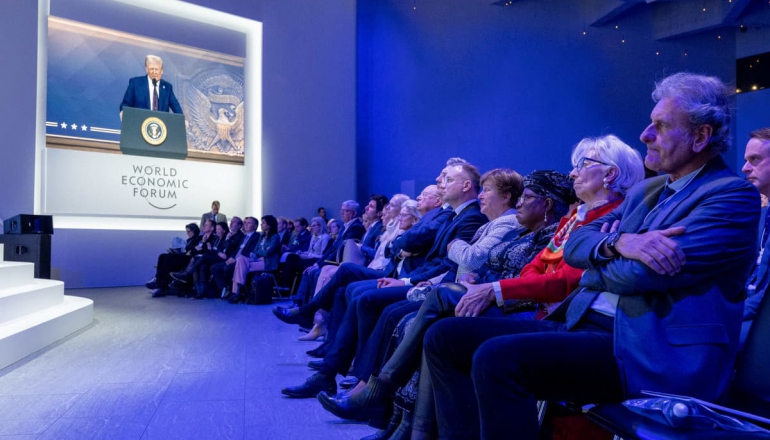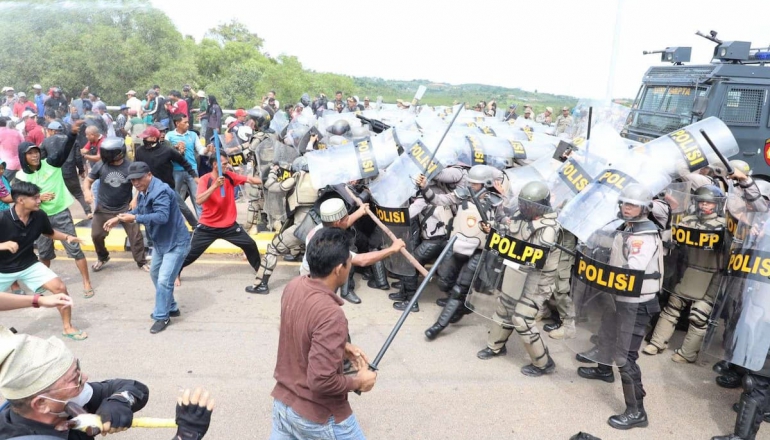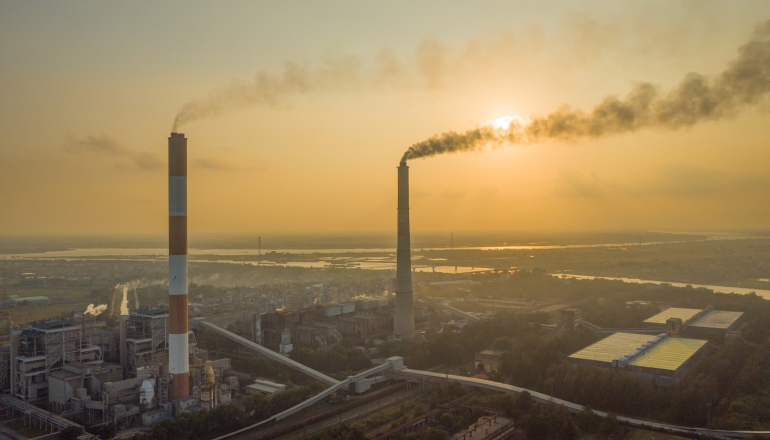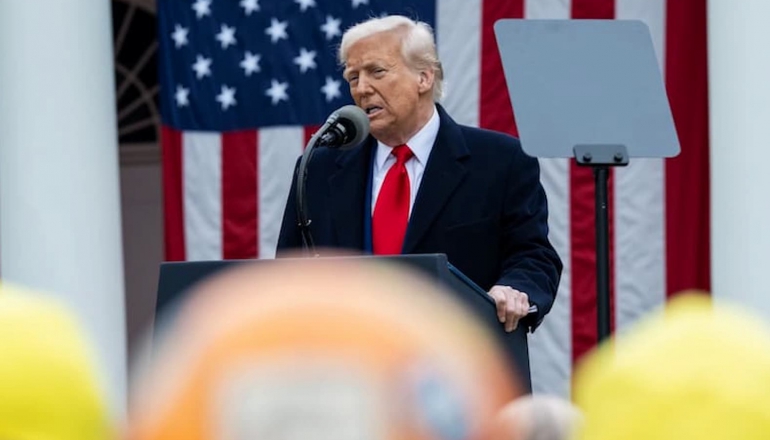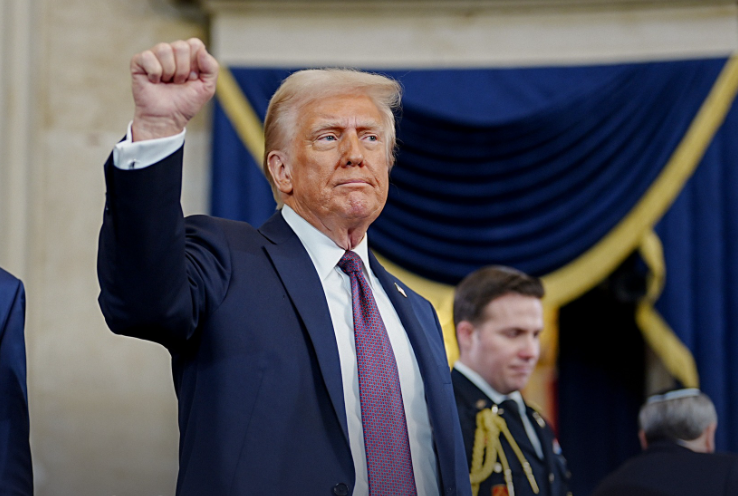
U.S. President Trump's ongoing tariffs could impact ASEAN economies. (Photo: White House)
Since President Trump took office, he has imposed additional tariffs on many imported products, raising concerns in some Southeast Asian countries about the potential impact and prompting them to devise countermeasures.
The Malaysian government has called on the solar industry to explore the ASEAN market and reduce reliance on the United States. Meanwhile, Vietnam has strengthened its infrastructure in renewable energy, which is seen as a way to ease the pressure from slowing export growth to the U.S.
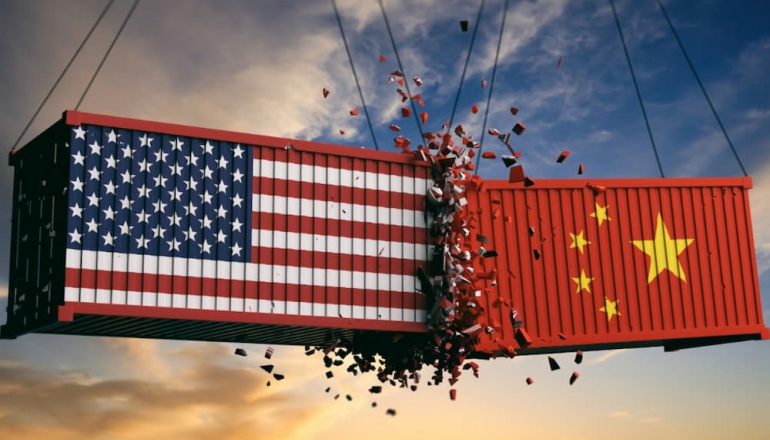
As U.S.-China competition intensifies, ASEAN countries closely linked with China face challenges in avoiding the impact of increased tariffs. Vietnam, Thailand, and Malaysia are particularly vulnerable, with some even singled out as suffering significant economic blows. Trump's cancellation of electric vehicle-related subsidies and incentives could also hinder U.S. investment in Indonesia's nickel mines and battery factories, possibly triggering a supply chain crisis for electric vehicles in the region.