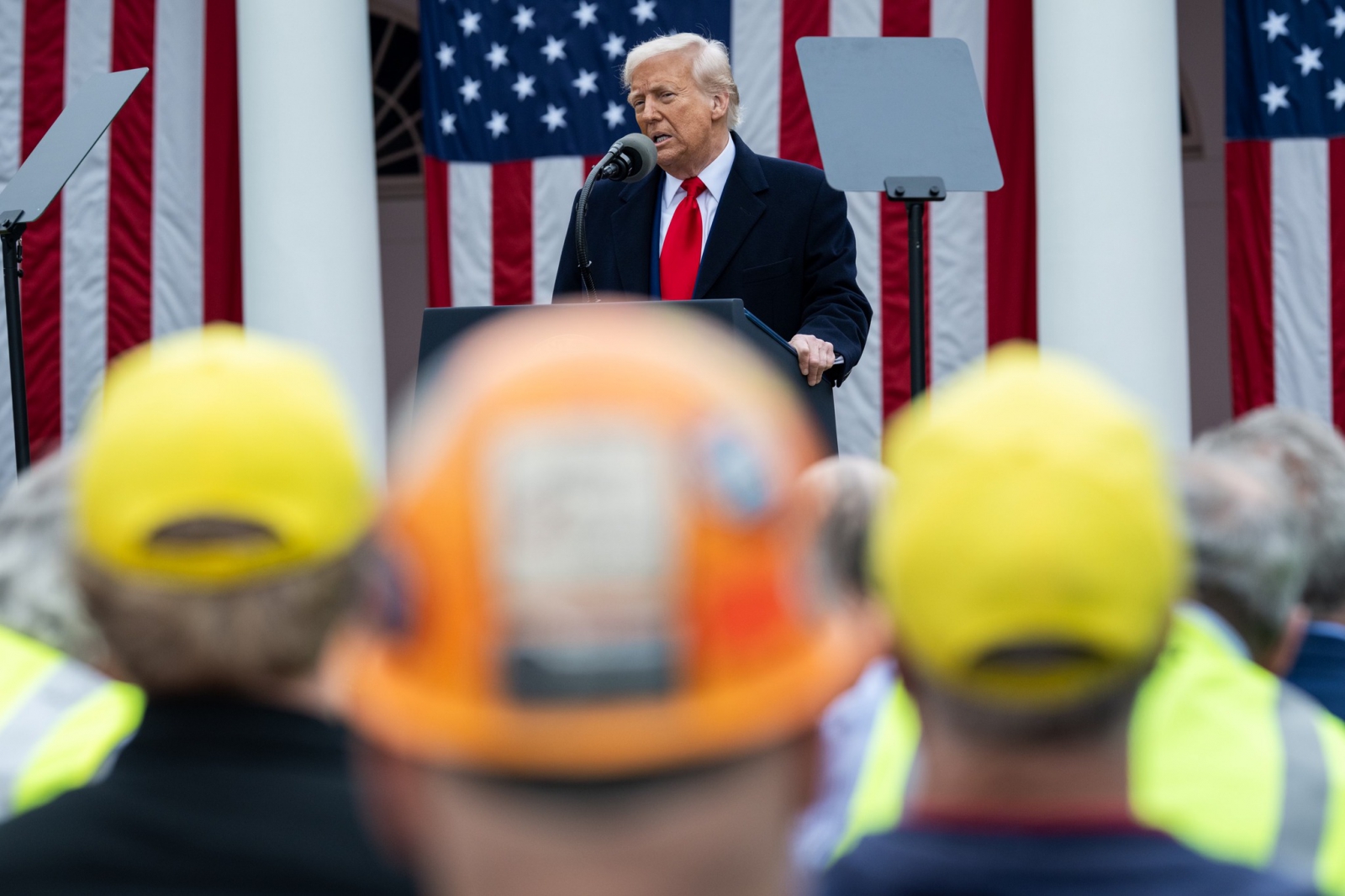
(Photo: White House)
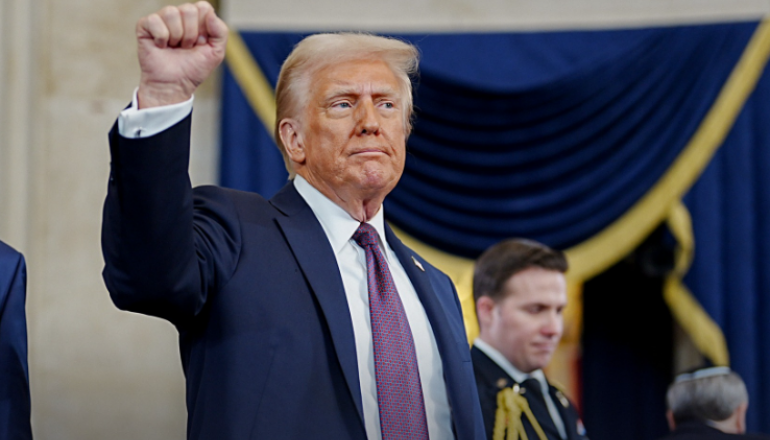
It had the hallmarks of a reality TV cliffhanger. Until recently, many people had never even heard of tariffs. Now, there’s been rolling live international coverage of so-called “Liberation Day”, as US President Donald Trump laid out tariffs to be imposed on countries around the world.
On April 3, Trump announced all imports to the United States will be subject to a new “baseline” 10% tariff. This is an additional tax charged by US Customs and Border Protection when products cross the border.
The baseline tariff is expected to take effect from April 5, and then higher reciprocal tariffs on individual countries from April 9. That leaves no time for businesses to adjust their supply chains.
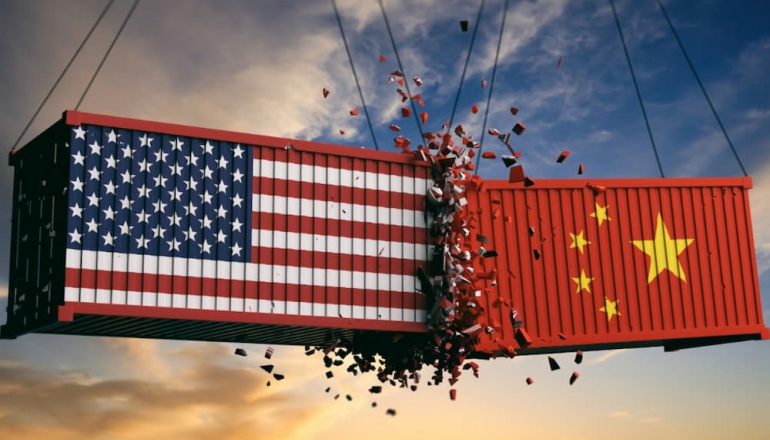
What might the next “episode” hold for the rest of the world? We can expect many countries to retaliate, bringing in tariffs and trade penalties of their own. That comes with risks.
Tariffs on the whole world
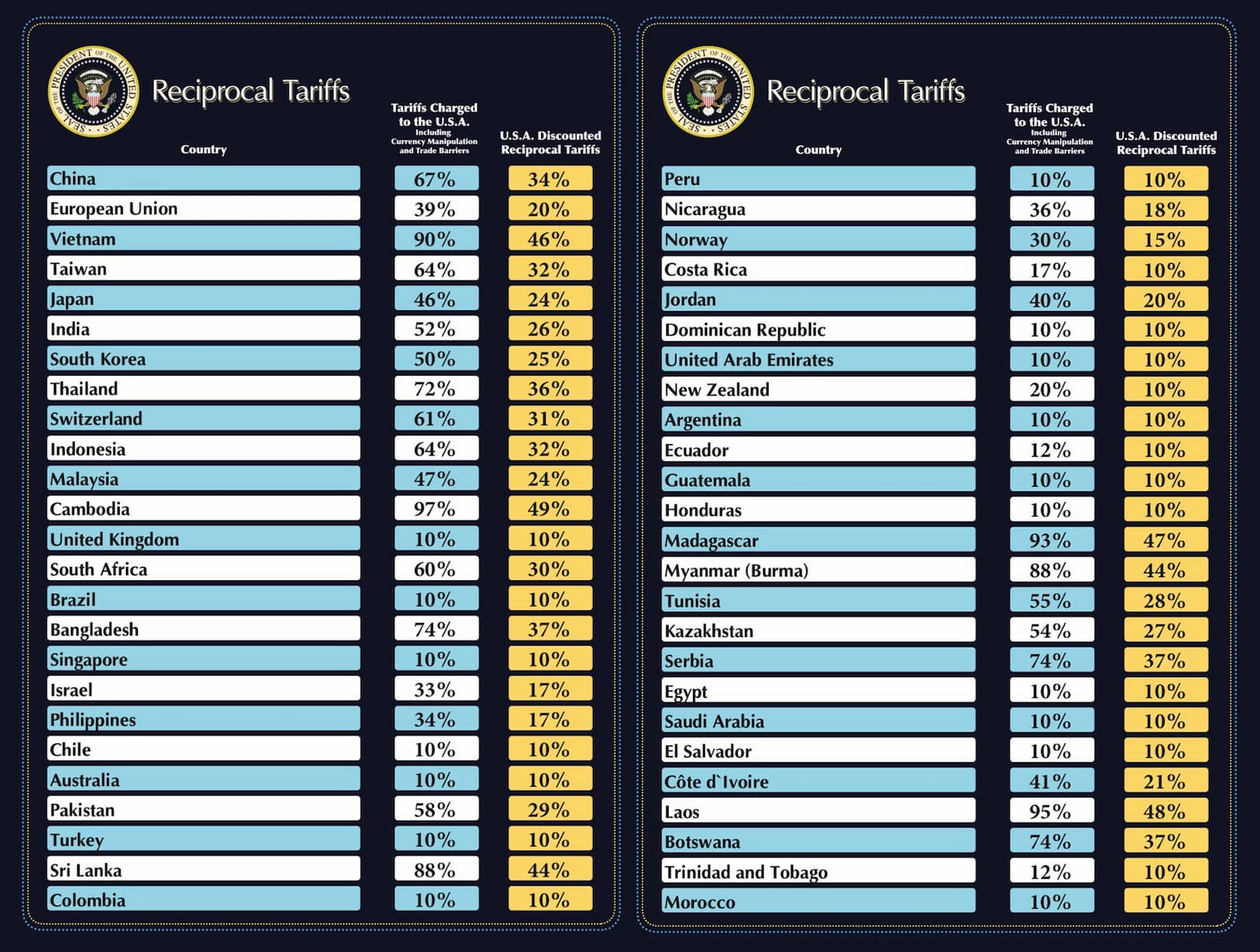
Vietnam will be among the hardest hit by reciprocal measures, with a 46% tariff. China, South Korea and Japan will also feel the brunt of the newest announcement – all subject to new tariffs of between 24% and 34%. The European Union is subject to 20%.
• In-depth analysis of Asia-Pacific renewable energy and carbon markets
• Latest green electricity and carbon price data
• Members-only sustainability policy newsletter