.jpg)
(Image: iStock)
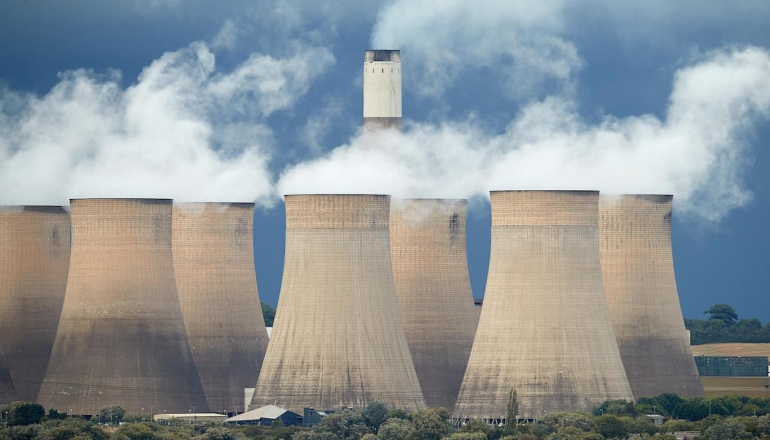
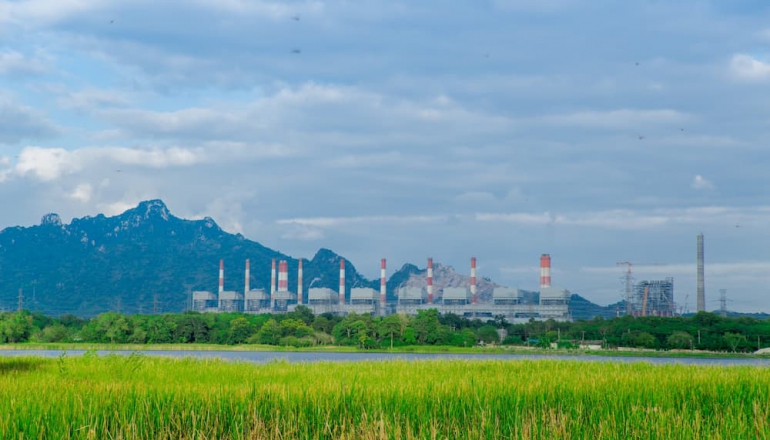
Southeast Asian countries face significant vulnerabilities to the impact of climate change, yet many of them rely heavily on coal for electricity generation. To accelerate decarbonization efforts in the power sector, these countries require strategic climate assistance. Therefore, the implementation of projects like the Just Energy Transition Partnerships (JETPs) is crucial for developing economies particularly in Southeast Asia, providing support to transition towards cleaner and sustainable energy sources.
What is the Just Energy Transition Partnerships (JETP)?
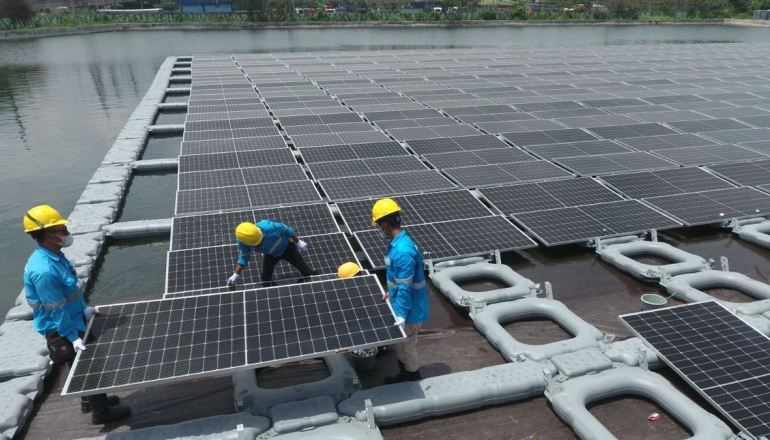
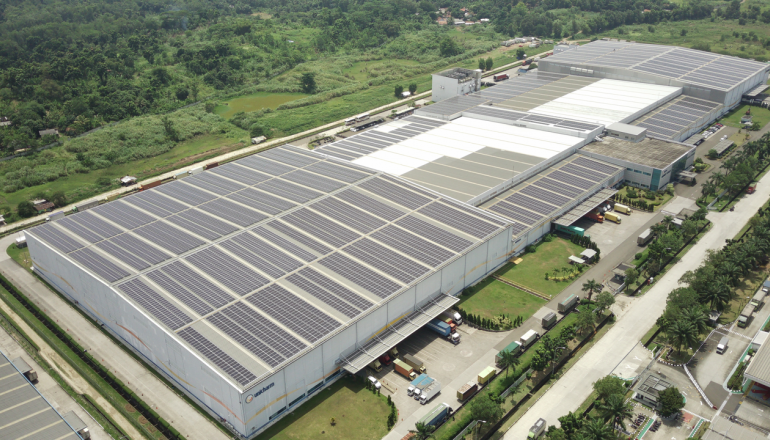
Just Energy Transition Partnerships, or JETPs, are a collaborative financing mechanism aimed to support the coal-dependent and developing economies in transitioning from carbon-intensive energy systems to cleaner and more sustainable alternatives while addressing social consequences. It is designed to finance the decommissioning of high carbon-emitting power plants, promote the development of renewable energy generation and storage infrastructure, as well as improve the efficiency of transmission grid.
This green financing focus’ extends beyond environmental considerations, in which it integrates the social and economic considerations to ensure that the transition benefits the society as a whole, particularly those who are most vulnerable or disadvantaged. By incorporating principles of equity, inclusivity, and sustainability into financing strategies, JETPs strive to create a transition that is not only effective in combating climate change, but also socially and economically beneficial for all stakeholders. Reskilling, upskilling, and creating new job opportunities are the keys to ensure a just energy transition for workers and communities.
Why is coal such a focus in JETP?
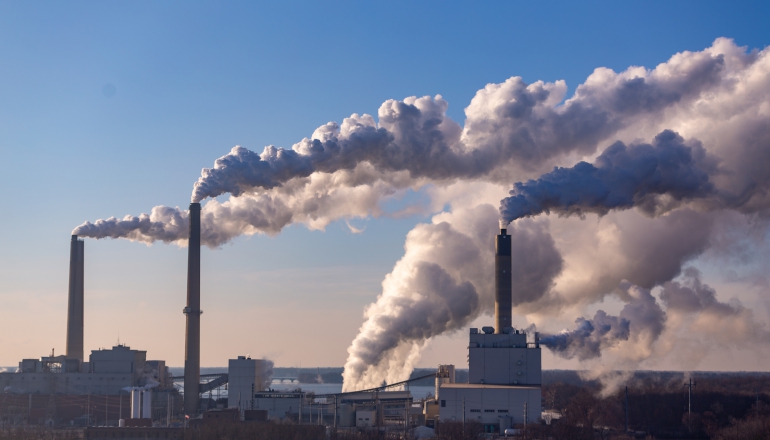
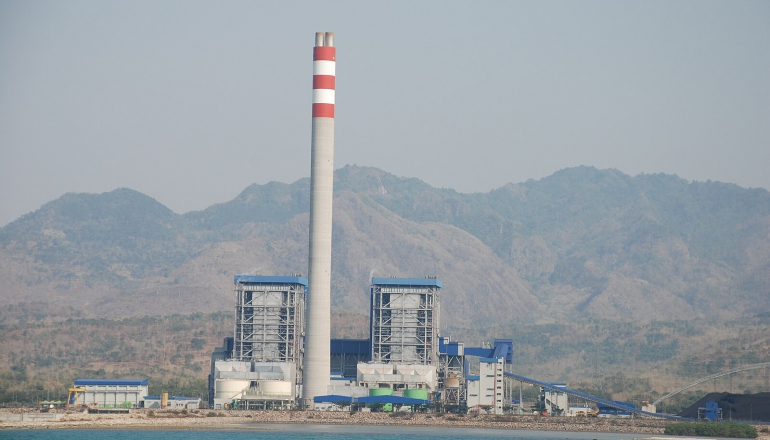
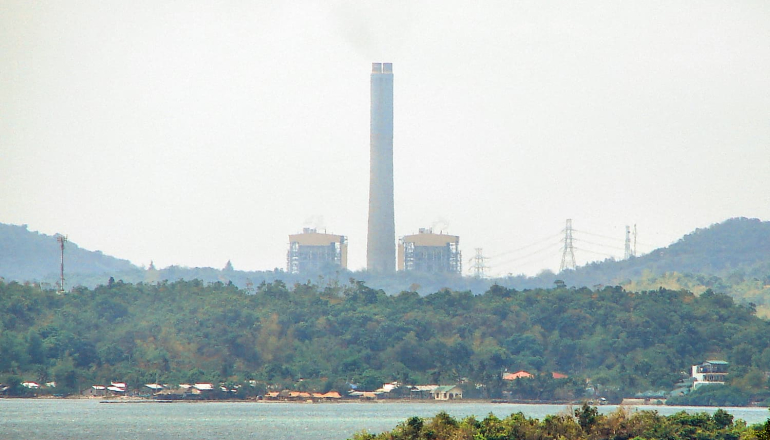
Coal has been vital for global energy supply and economic growth. However, burning coal generates significant greenhouse gas emissions, which pose challenges and can exacerbate the effects of climate change.