RECCESSARY’s “ASEAN Weekly” highlights Southeast Asia’s new energy and carbon market updates. (Image: RECCESSARY)
This week in ASEAN sustainability developments reflect rising energy risks and policy responses to volatile fuel markets. The Philippines has declared a nationwide energy emergency as potential fuel shortages threaten aviation and transport operations. Meanwhile, Thailand is scaling back fuel subsidies as surging oil prices push pump prices to record highs. Here are the key ASEAN stories from March 23–29.
Iran war: Indonesia eyes solar-powered EV shift to hedge oil price volatility
Volatile global oil prices triggered by Middle East tensions have reignited discussions in Indonesia over electrifying its transport sector. President Prabowo Subianto said on March 19 that the country would move toward solar-powered electric mobility while developing a domestic EV brand.
The government is also considering reviving its motorcycle electrification program, which would involve converting existing internal-combustion motorcycles to electric models. However, experts warn that unless high conversion costs and bureaucratic hurdles are addressed, incentivizing the purchase of new electric motorcycles may prove more effective. Read more here
.jpg)
President Prabowo Subianto has instructed a nationwide push to electrify all modes of transportation. (Photo: Prabowo Subianto's Facebook)
Iran war: Will helium shortage, high oil prices reshape EV outlook?
The Middle East conflict has triggered a shortage of helium—a byproduct of natural gas—raising concerns among global automakers over potential disruptions to semiconductor manufacturing and higher vehicle production costs. The Bangkok International Motor Show opened on March 24, drawing attention as one of Southeast Asia’s major automotive events. This year, heightened oil price volatility has sharpened focus on how automakers view the EV market outlook. Read more here
What local costs lie behind Indonesia’s big EV dreams?
Two upcoming projects aim to push the country’s EV industry forward – but without changes to the law, experts fear they could perpetuate local harms
Indonesia, with its large supplies of several metals used in EVs – such as nickel, copper and bauxite – has taken several steps towards doing so. But in the background of these ambitions lie concerns about the nickel industry’s impacts on local communities. Experts say that without major changes to the law, local people will continue to suffer from impacts already documented in existing projects. Read more here
Philippines declares energy emergency as fuel risks disrupt aviation, transport sector
Philippine President Ferdinand Marcos Jr. on March 24 declared a nationwide energy emergency, warning that potential fuel shortages could force airlines to suspend operations.
The Philippines relies on the Gulf region for as much as 98% of its oil imports, leaving the country highly exposed to supply disruptions. Domestic gasoline and diesel prices have more than doubled since the outbreak of conflict, fueling public frustration over what critics see as a delayed government response. Transport operators and ride-hailing groups are now preparing to stage strikes in the coming days. Read more here
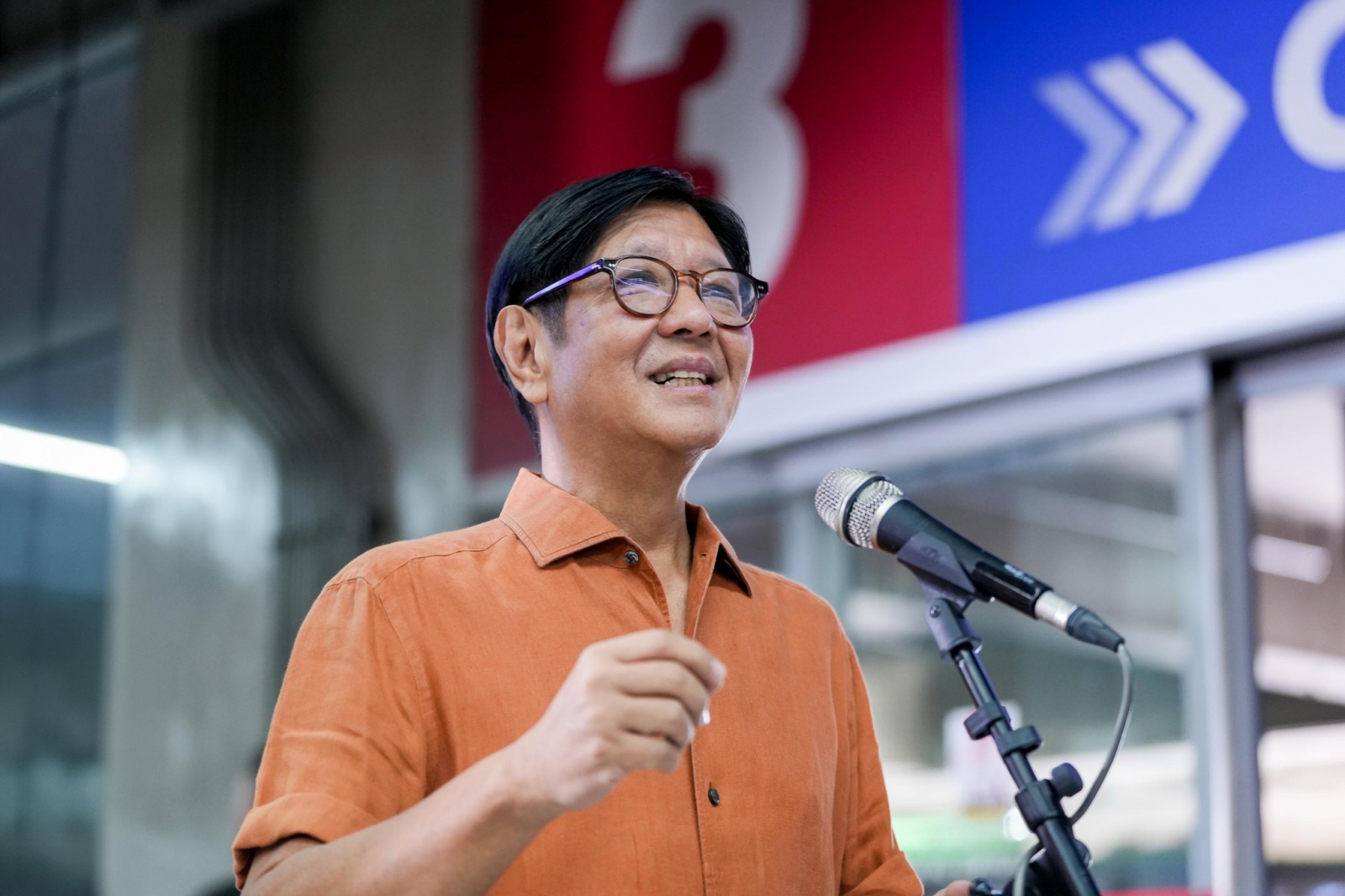
The Philippines has declared an energy emergency, with President Ferdinand Marcos Jr. criticized for a slow response. (Photo: Ferdinand Marcos Jr.'s Facebook)
Thailand cuts fuel subsidies as oil rally drives record pump prices
Thailand is buckling under the pressure of rising global crude prices. New pump prices effective March 26 show gasoline and diesel climbing by 6 baht per liter (USD 0.18), marking the largest single increase on record and signaling the Anutin Charnvirakul administration’s move to scale back fuel subsidies.
The oil rally is also feeding into electricity costs. From May, power tariffs could rise under three proposals by the Energy Regulatory Commission (ERC), with the highest rate reaching 4.59 baht (USD 0.14) per kWh—an 18% jump from current levels. Read more here
Are electric vehicles a green window of opportunity for ASEAN countries?
EV-related industries hold out substantial promise, but ASEAN countries must be clear-eyed about the opportunities, complexities, and risks.
Among eco-friendly technologies, electric vehicles (EVs) are frequently portrayed as a Green Window of Opportunity that offers developing countries a rare opportunity to catch-up with economically advanced countries. It is pertinent to ask whether ASEAN countries are facing such a pivotal moment, and what factors might impede or complicate the EV industry’s progress in the region. Read more here
ISSB adoption drives ASEAN firms to extend disclosure demands across supply chains
ASEAN is moving quickly toward alignment with International Sustainability Standards Board (ISSB) standards. Singapore, Malaysia, Thailand, the Philippines and Indonesia, which together account for 85% of ASEAN’s GDP, have all signaled intent to adopt or converge with the framework, said Sharath Martin, senior policy and insight consultant at ACCA.
Speaking at a March 27 Eco-Business webinar, experts said ISSB adoption is accelerating the shift beyond corporates, with Scope 3 requirements pushing companies to engage suppliers, including SMEs that are not yet directly regulated but are increasingly drawn into disclosure and decarbonization efforts. Read more here
Track ASEAN energy and carbon markets with clarity. Subscribe to RECCESSARY for policy intelligence and business-ready insights across Asia-Pacific.