RECCESSARY’s “ASEAN Weekly” highlights Southeast Asia’s new energy and carbon market updates. (Image: RECCESSARY)
Southeast Asia’s sustainability agenda this week focused on progress in energy transition policies. Vietnam’s energy storage sector continues to attract investment interest, yet deployment remains far behind national targets. Meanwhile, Thailand is stepping up EV incentives and residential solar policies, reinforcing the region’s parallel push in both energy and transport transitions. Below are ASEAN’s key stories from Apr. 27–May 3.
Can Malaysia localize its EV supply chain while sustaining market growth?
While markets across Southeast Asia have seen a rise in electric vehicle (EV) registrations following the Iran war, largely driven by higher fuel costs, Malaysia presents a different dynamic. Early 2026 growth was driven primarily by a new model from the local brand Proton, priced at around USD 15,000 (MYR 59,800), Electronikar editor and automotive analyst Shamsul Yunos said. “The oil effect is there,” he said, “but the Proton effect is currently the bigger driver of those registration numbers.” Read more here
Vietnam draws storage investment, but deployment lags far behind 2030 targets
Vietnam’s energy storage sector is drawing growing corporate interest, with international and domestic manufacturers positioning for a market that policy targets suggest could reach USD 6 billion by 2030. However, as of early 2025, Vietnam had installed less than 100 MW of battery energy storage systems (BESS), against a revised eighth Power Development Plan (PDP8) target of 10,000 to 16,300 MW by 2030. Read more here
Rising power prices accelerate rooftop solar adoption in Singapore, Thailand
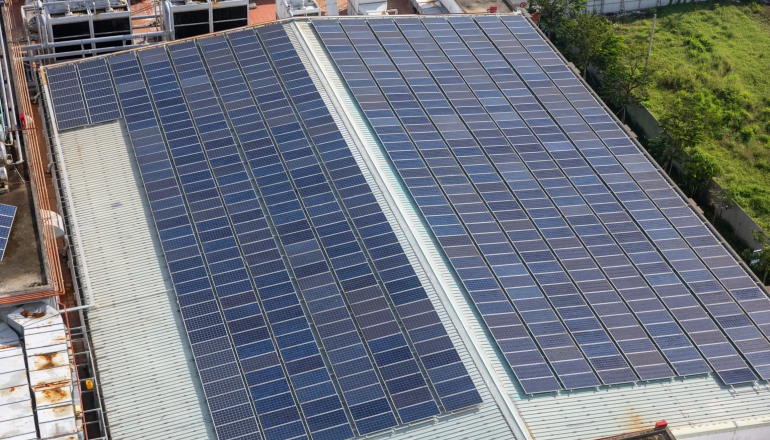
Volatility in global energy prices is underscoring the economic appeal of rooftop solar across Southeast Asia. In Singapore, solar providers report a surge in residential inquiries and faster decision-making among homeowners. In Thailand, the government is positioning rooftop solar as a central pillar of energy policy, aiming to drive structural change and reduce reliance on imported fuels. Read more here
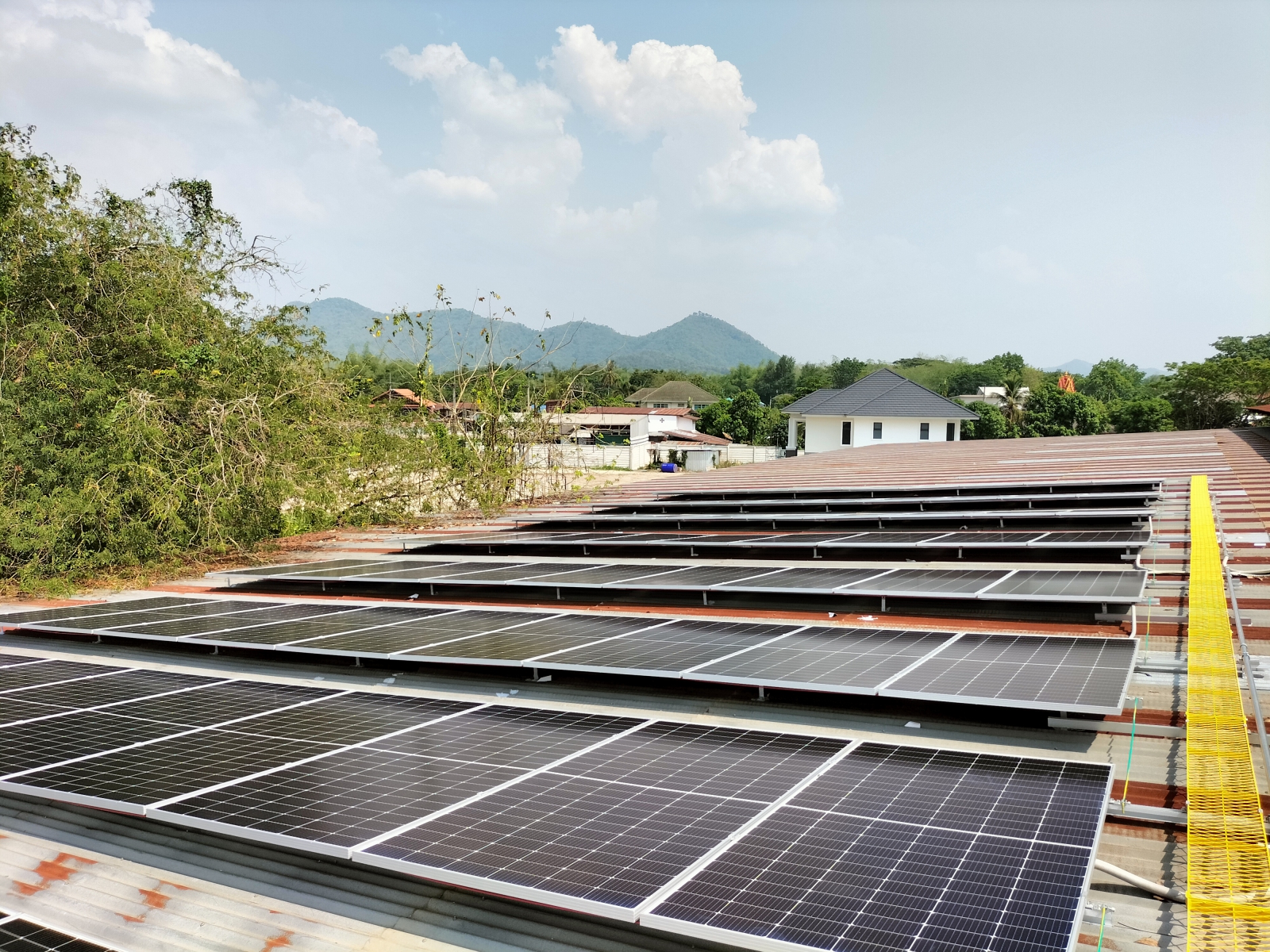
Rooftop solar is gaining increasing attention as electricity prices rise across countries. (Photo: iStock)
Indonesia’s $30 billion solar export ambition to Singapore tested by policy risks
Indonesia’s sovereign wealth fund Danantara is planning to invest USD 30 billion to export solar power to Singapore, but progress may hinge on overcoming persistent financing challenges.
Despite multiple memoranda of understanding signed between Indonesia and Singapore in recent years, none of the proposed solar projects have moved into the construction phase. Industry experts say limited access to financing remains a key bottleneck. Read more here
Thailand targets 300,000 new EVs with tax cuts, expanded taxi trade-in scheme
Thailand is preparing a new round of tax incentives to accelerate electric vehicle (EV) adoption, combining an extension of annual tax reductions with an expanded trade-in scheme that could bring taxi fleets into the transition.
The policy push comes as Thailand’s auto sector shows early signs of recovery after a prolonged slowdown. Domestic sales increased 7.29% year-on-year to 59,865 units in March, supported in part by deliveries from the Bangkok International Motor Show, where bookings exceeded 100,000 units. Read more here
Indonesia escalates ‘war on waste’ with criminal probe into Jakarta landfill disaster
On March 8, seven sanitation workers were killed at Southeast Asia’s largest landfill, the Bantargebang dump site east of Jakarta, Indonesia’s capital city. The criminal investigations into the former environment Jakarta and also in Bali were announced two months after President Prabowo Subianto announced a “war on waste” amid revived plans to build incinerators capable of turning millions of tons of household waste into electricity. Read more here
Philippines’ Retail Aggregation Program grows as Lawson, McDonald’s participate
Japanese convenience store chain Lawson is planning to achieve 100% renewable electricity use in the Philippines, with supply set to begin in late May through energy company ACEN Renewable Energy Solutions (ACEN RES).
The move aligns with the Philippines’ Retail Aggregation Program (RAP), a government initiative designed to facilitate electricity trading and advance sustainability goals. Read more here
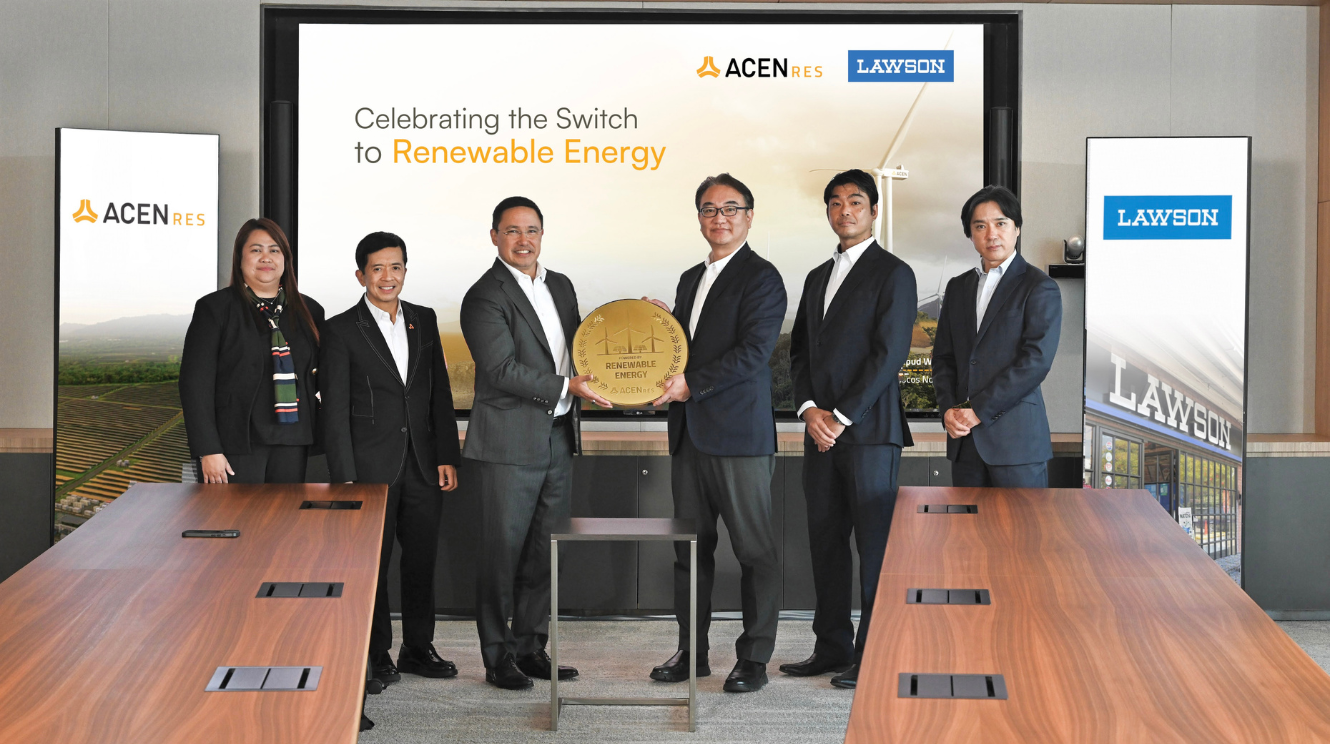
Representatives from Lawson Philippines and ACEN Renewable Energy Solutions sign a power supply agreement. (Photo: ACEN RES)
Track ASEAN energy and carbon markets with clarity. Subscribe to RECCESSARY for policy intelligence and business-ready insights across Asia-Pacific.