.jpg)
Starfish hill wind farm in South Australia. (Photo: Unsplash)
An emphatic election victory for the incumbent Labor government means Australia’s rapid shift to renewable energy will continue. As Climate Change and Energy Minister Chris Bowen said on Saturday:
In 2022, the Australian people voted to finally act on climate change. After three years of progress […] in 2025 they said keep going.
The election result also means the debate about energy policy is now, in broad terms, over. Australia’s energy future is wind and solar, backed by storage.
Coal and gas will have a fast-declining role to play and nuclear energy will have none at all. Australia is set to be a renewables nation. There is no turning back now.
Cementing renewables investment
By continuing to build renewables capacity, the returned Labor government can position Australia on the world stage as a genuine leader on clean energy.
The Albanese government has set a national target of more than 80% of the main national electricity grid running on renewables by 2030. With such a large majority in parliament, Labor may well be in government at that time.
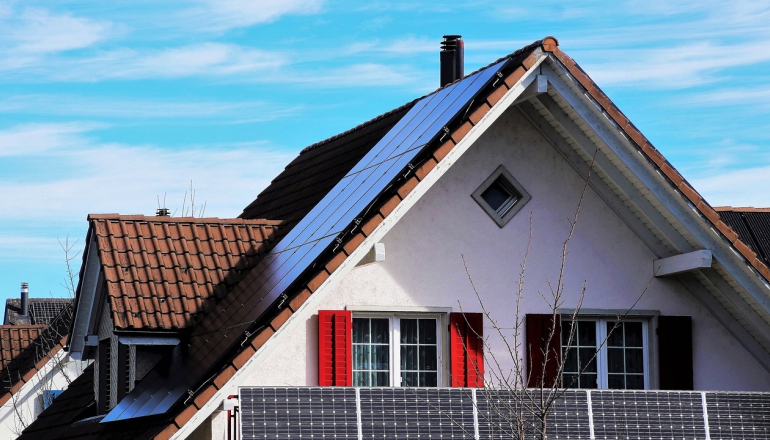
Australia already has the world’s highest per-capita solar uptake, with about 300,000 solar systems installed each year. One in three Australian homes now has rooftop solar.
Labor is complementing this boom with a new home battery discount scheme, which aims to have more than one million batteries installed by 2030. This will help stabilise the grid by reducing demand at peak times.