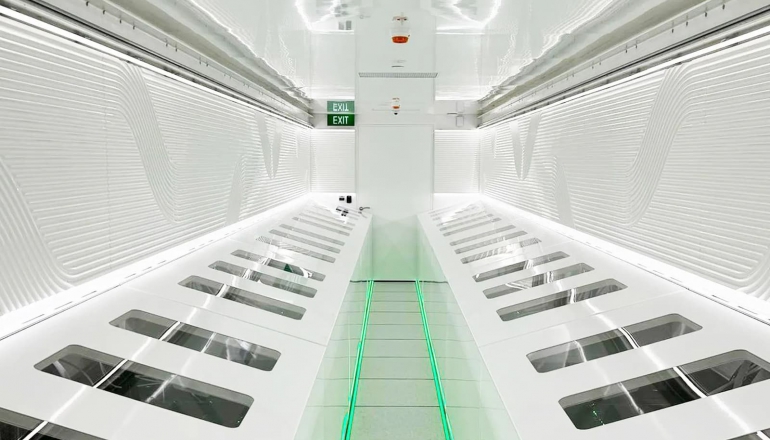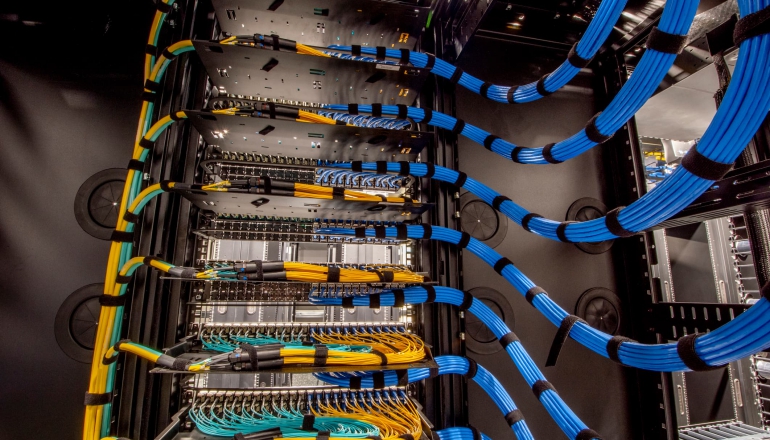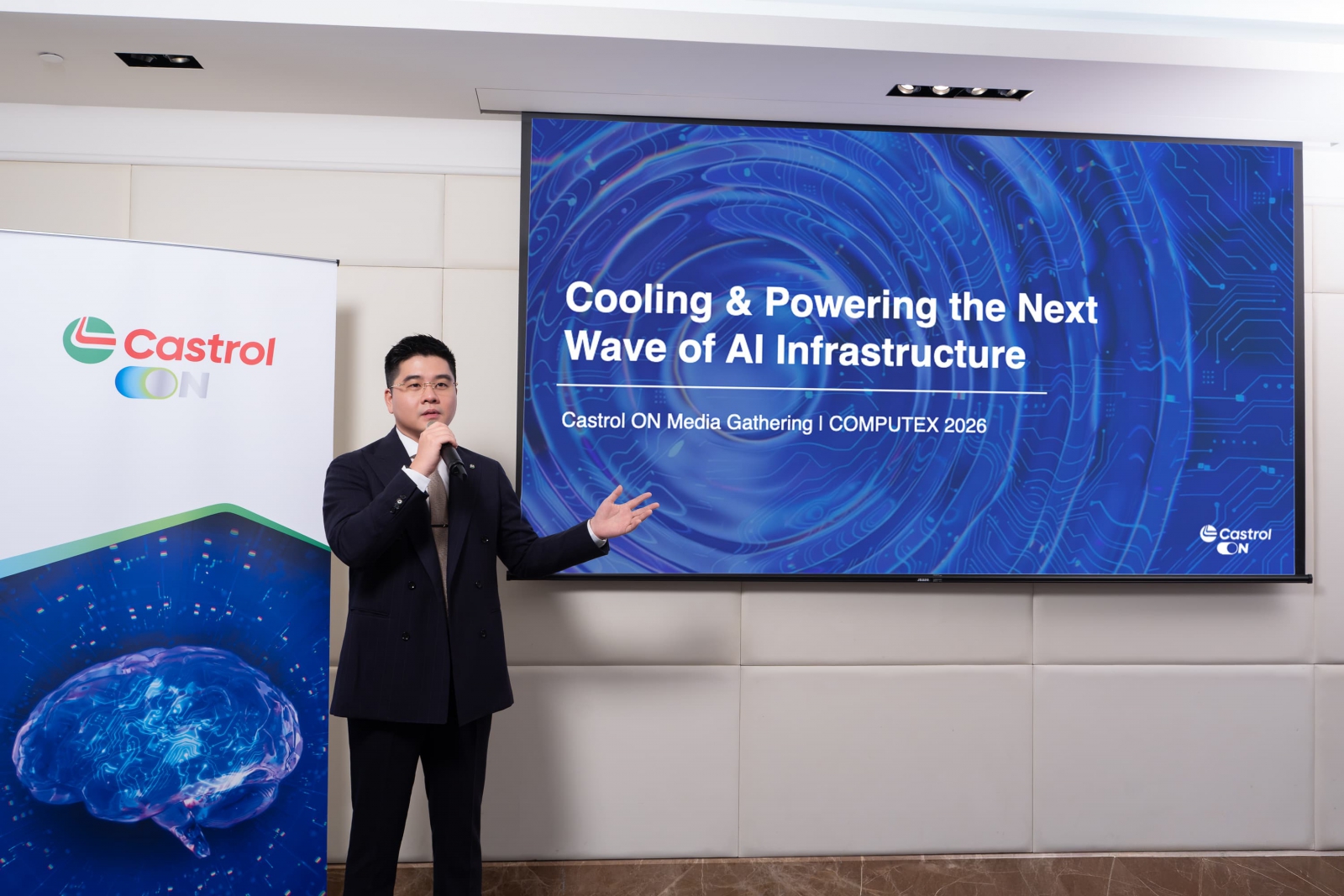
Castrol is expanding into operational and infrastructure services for liquid-cooled AI data centers. (Photo: Castrol)
As AI data centers push rack power densities beyond what traditional air cooling can handle, liquid cooling is increasingly becoming part of the sector’s broader energy and infrastructure buildout. Castrol is positioning itself not only as a coolant supplier, but as a provider managing the wider infrastructure ecosystem surrounding liquid cooling systems.
Peter Huang, global president of Castrol’s thermal management and data center division, said on Monday that geopolitical disruptions linked to the Middle East conflict have turned liquid cooling products into critical infrastructure, compressing delivery timelines and driving up prices.
Huang added that the company has deployed around 1.5 GW of liquid-cooled AI data center capacity over the past year, a scale that now requires around-the-clock on-site operational support.
Unlock the full article to explore three key takeaways:
- Castrol has structured its data center business around three service layers: pre-deployment load testing, real-time coolant monitoring, and advanced fluid solutions, with major hyperscaler clients signing global agreements that include quarterly coolant health checks.
- Southeast Asia is a priority market for Castrol, with the company investing in container manufacturing in Malaysia’s Johor corridor to accelerate on-site deployment for hyperscaler clients while expanding into Indonesia’s Batam Island.
- Beyond cooling infrastructure, Huang identified three trends reshaping data center power sourcing: tightening renewable PPA supply, renewed interest in gas turbine-backed generation as grid reliability constraints grow, and emerging deployment of next-generation storage technologies such as solid-state batteries and hydrogen fuel cells.