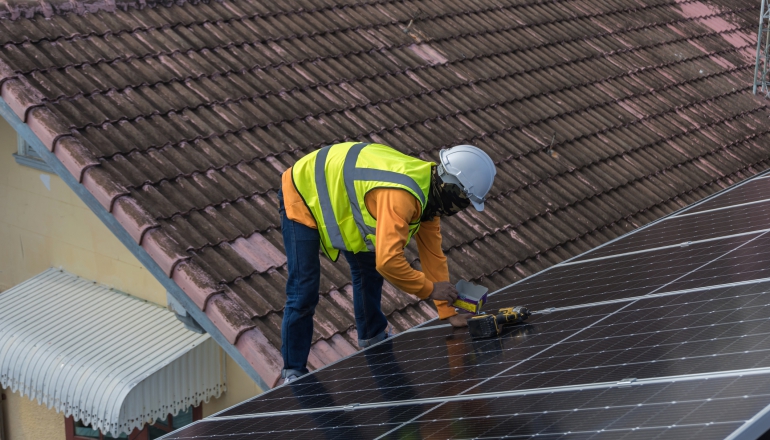
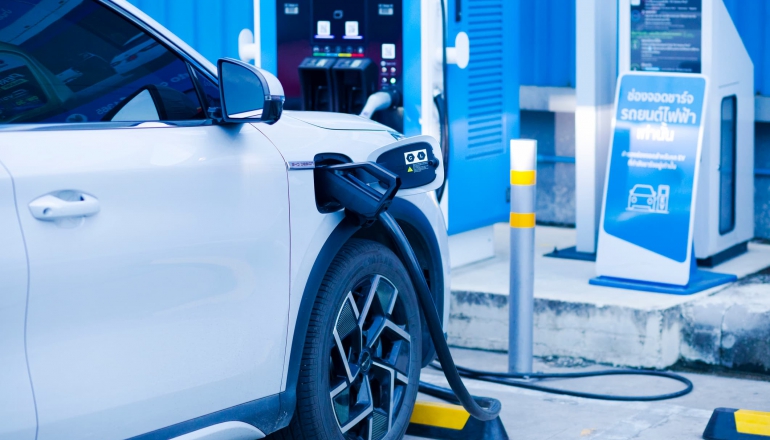
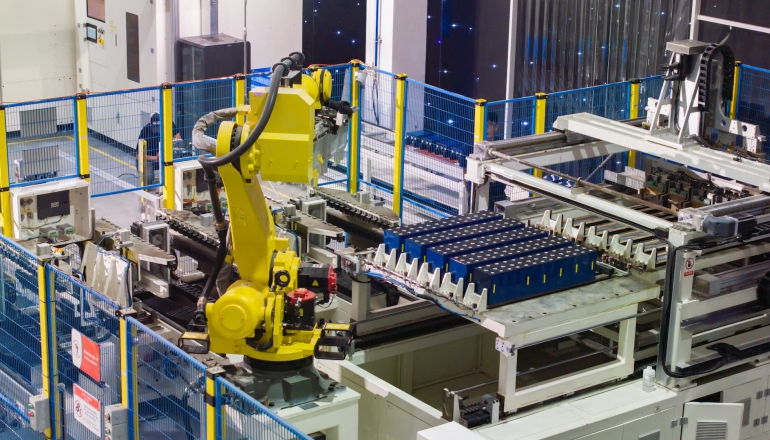
Chinese manufacturers are accelerating exports of solar panels, EVs, and batteries amid the global energy shock, while simultaneously expanding factory investments across Southeast Asia. (Photo: iStock)
A global energy shock triggered by the Iran war is accelerating Chinese exports of solar panels, electric vehicles, and batteries, as manufacturers seek to capture rising overseas demand while domestic profitability remains under pressure.
Across Southeast Asia, Chinese companies are simultaneously expanding factory investments and regional supply chains, reinforcing the region’s role as a long-term manufacturing base even before the current crisis began.
Unlock the full article to explore three key takeaways:
- China’s solar panel exports doubled month-on-month in March to a record high, with 50 countries recording peak imports as rising fuel prices and the removal of export tax rebates accelerated overseas demand and provided relief for manufacturers facing losses at home.
- Chinese EV manufacturers are shifting from export-led growth toward Southeast Asia production localization, with BYD operating a 150,000-vehicle plant in Thailand and Chery preparing a 200,000-vehicle factory in Vietnam.
- Chinese battery and storage firms are also embedding into regional supply chains, with Gotion expanding Thailand gigafactory capacity for EV and stationary storage markets while Sungrow targets 60–65 GWh in global BESS shipments in 2026, up from 43 GWh in 2025.