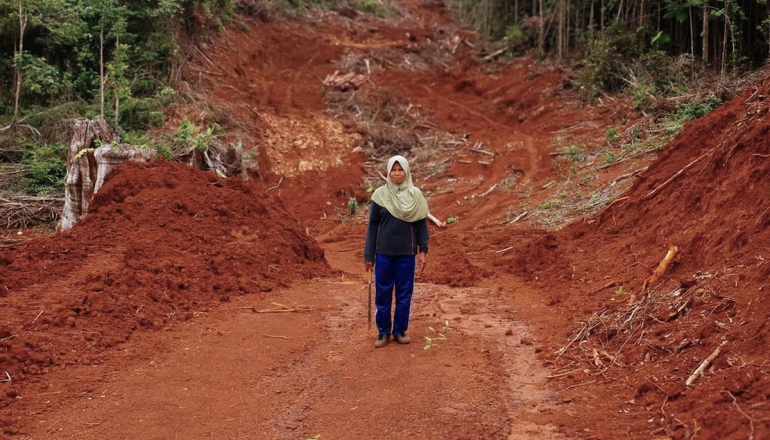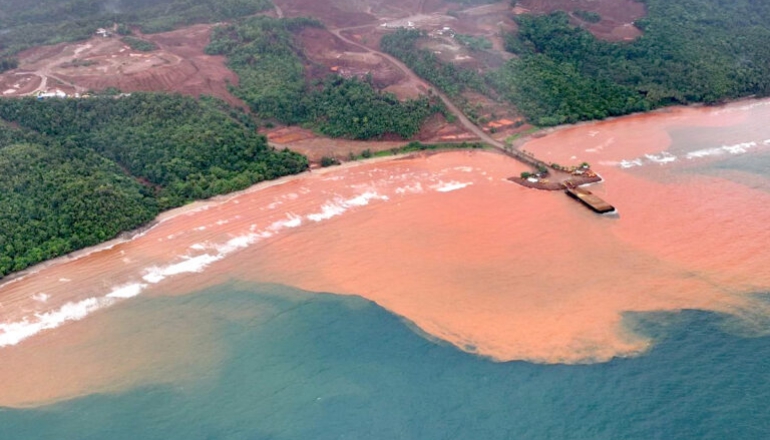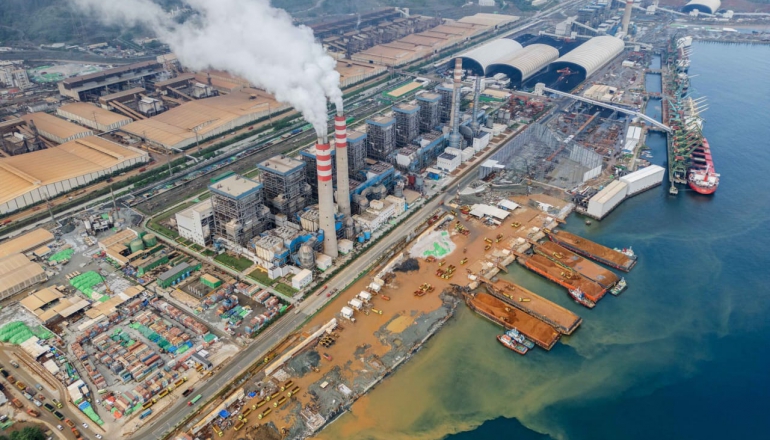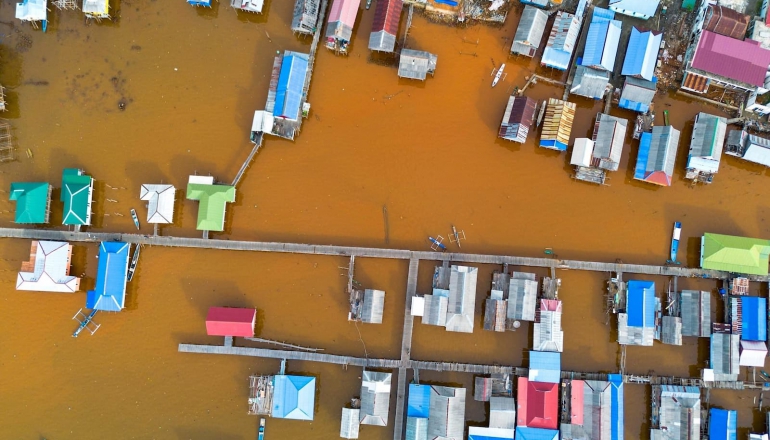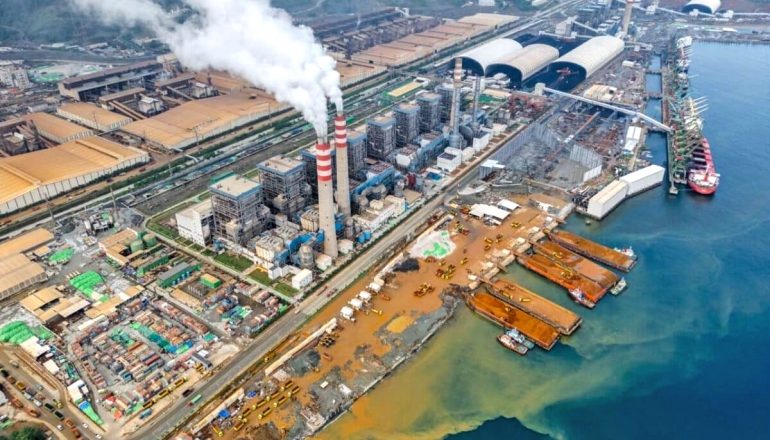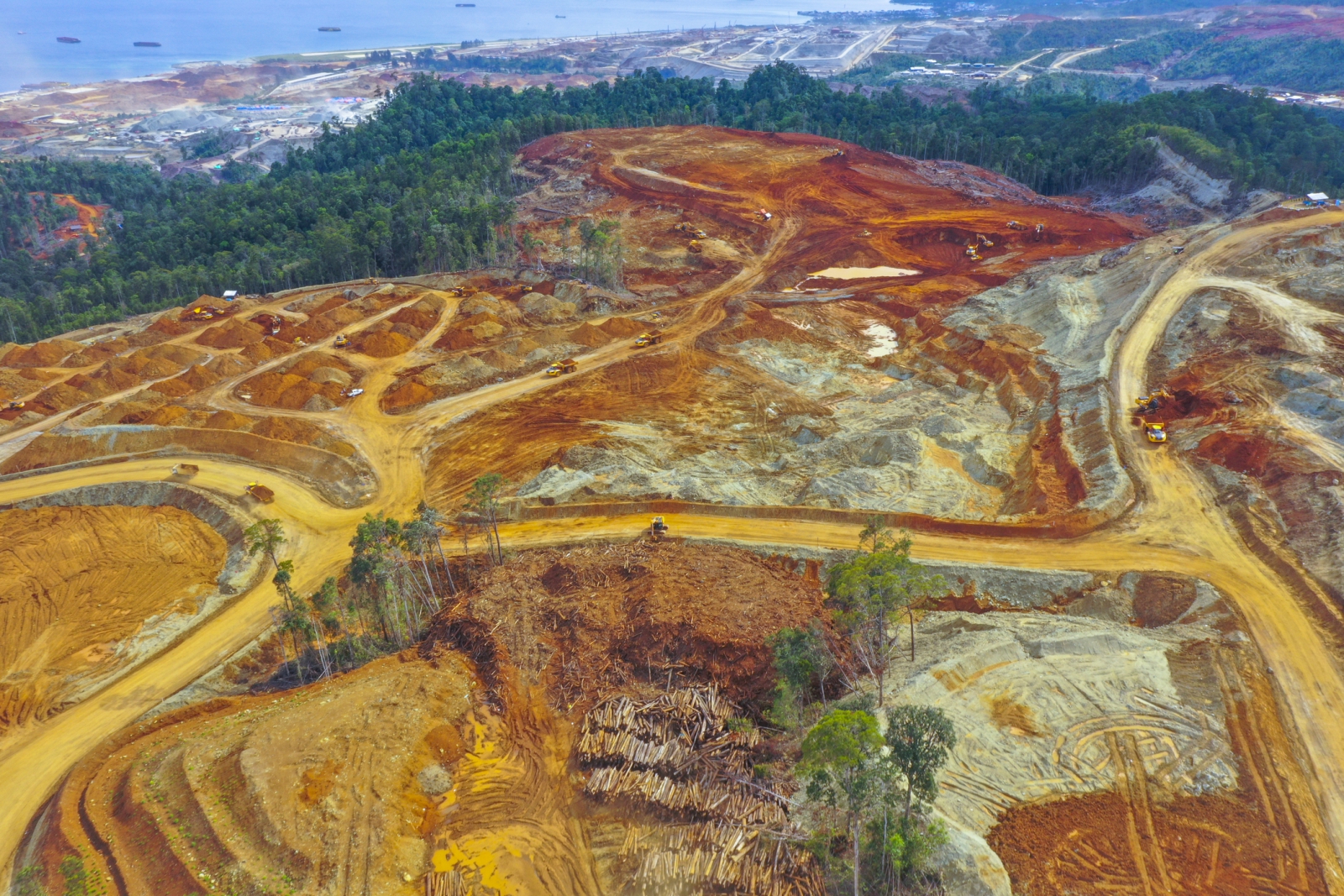
Indonesia’s nickel boom faces clean energy bottleneck. (Photo: iStock)
Electric vehicles (EVs) are widely seen as low-carbon transportation, yet their battery supply chain remains heavily reliant on fossil fuel. This is especially true in Indonesia, the world’s top nickel producer, where the industry is undergoing painful transition efforts.
Industry insiders admit that decarbonizing the nickel sector is increasingly difficult, and that neither government policies nor corporate action seem likely to change the situation in the near term.
Surging nickel output faces growing emissions pressure
At a recent sustainability forum hosted by the Indonesian government, Meidy Lengkey, Secretary General of the Indonesian Nickel Miners Association (APNI), noted that transitioning nickel production from coal to cleaner energy remains a major challenge. Even basic power supply is uncertain.