Southeast Asia needs to scale-up its renewables. Grant Hauber explains how the region can unlock investment and cut volatility.
.jpg)
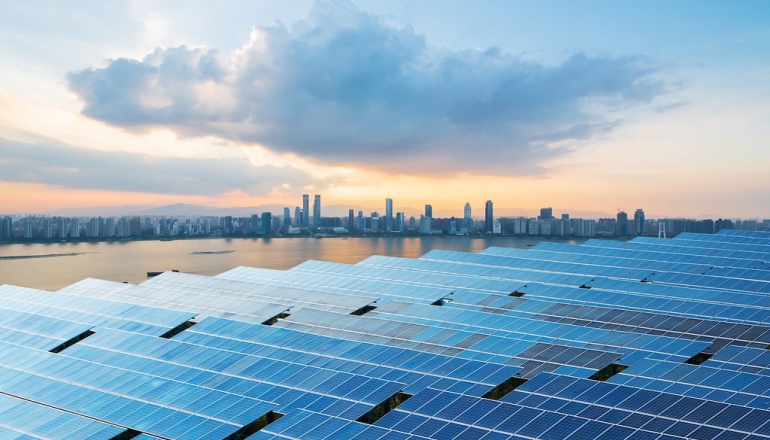
Vietnam is often cited as a success story in renewables (Image: Thinh Doan / Dialogue Earth)
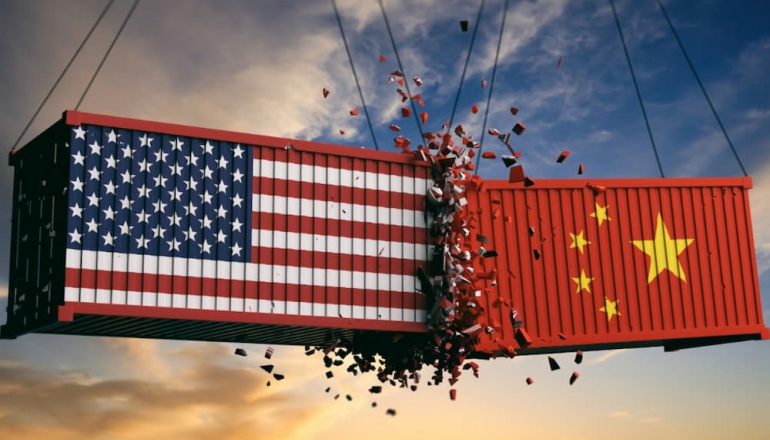
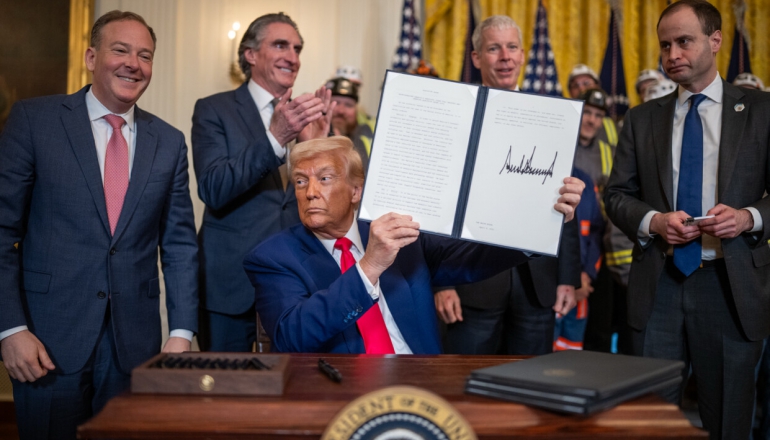
Southeast Asia stands at a crossroads in its energy transition. Rapid economic growth, volatile fossil fuel markets and intensifying climate risks are pushing governments to rethink their energy strategies. Rising trade tensions between China and the US are also disrupting global supply chains and markets, adding urgency for countries in the region to secure more resilient, locally anchored energy systems. And now the US has slapped massive tariffs on solar products being exported from Southeast Asia.
To understand the opportunities and challenges facing the region, Dialogue Earth spoke with Grant Hauber, strategic energy finance advisor for Asia at the Institute for Energy Economics and Financial Analysis (IEEFA). In this wide-ranging interview, Hauber explains why renewable energy is an economic imperative, how Southeast Asia can localise its clean energy supply chains and what policies are urgently needed to unlock investment.
Dialogue Earth: What can Southeast Asia learn from China’s approach to scaling up renewables?
Grant Hauber: China has met incremental demand growth in electricity from renewables, not fossil fuels, because it’s been able to add this capacity very quickly. In 2024, China added [the equivalent of] over 750 megawatts (MW) of solar per day, showing just how dynamic renewable energy could be in any country’s plans.