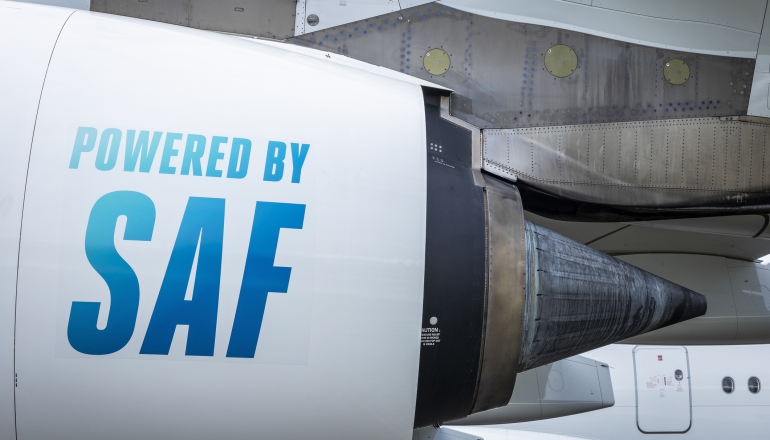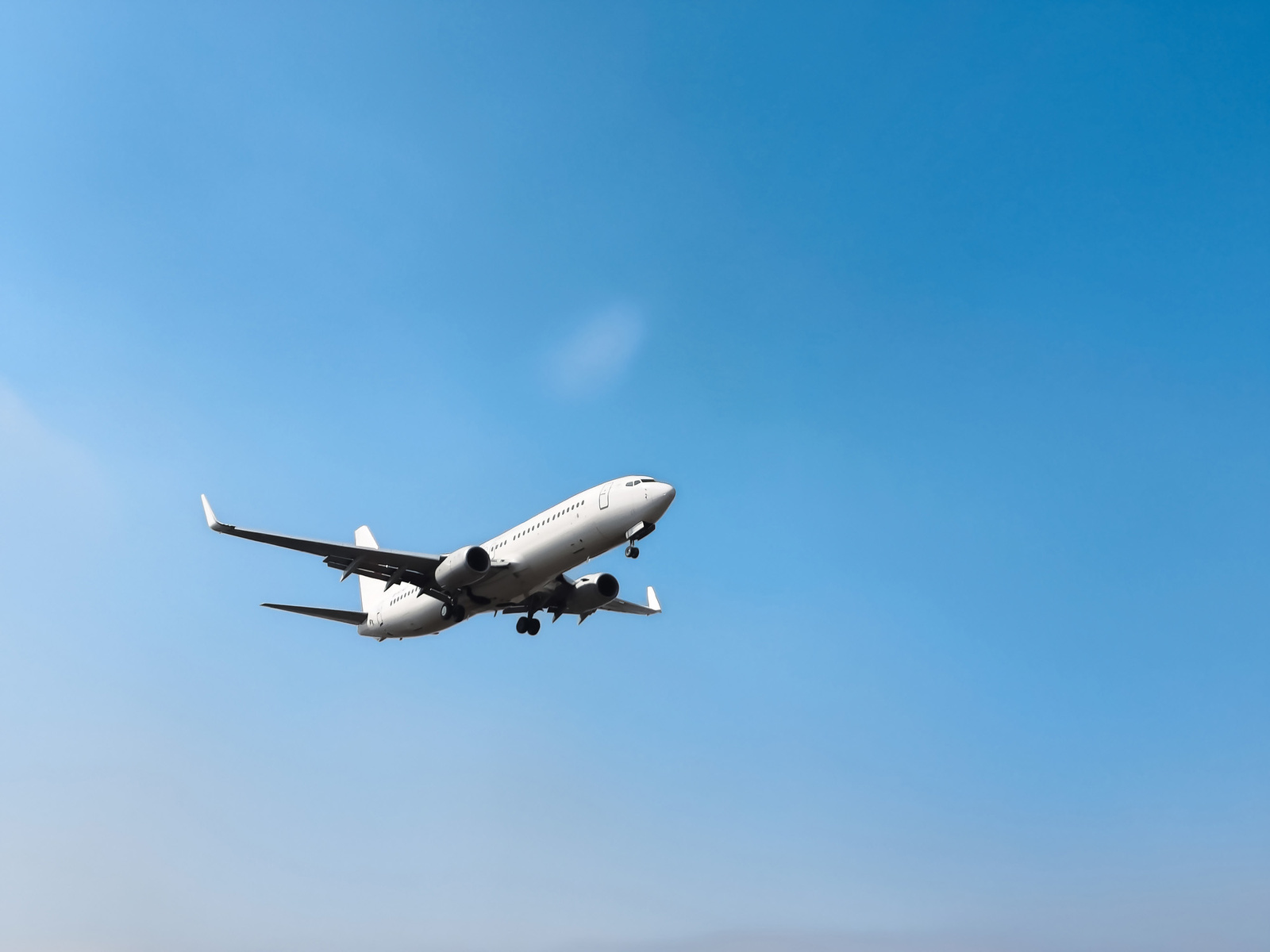
Global sustainable aviation fuel (SAF) supply remains insufficient, slowing the aviation sector’s decarbonization efforts. (Photo: iStock)
Sustainable aviation fuel (SAF) is widely seen as a key solution for decarbonizing the aviation sector. However, the International Air Transport Association (IATA) has struck a pessimistic tone, projecting global SAF production will reach just 2.4 million tonnes this year—accounting for less than 1% of total aviation fuel consumption.
To address a looming shortfall in eligible emission units (EEUs) under the Carbon Offsetting and Reduction Scheme for International Aviation (CORSIA), IATA has spearheaded a coalition aimed at bringing 175 million EEUs to market by the end of this year.
What is slowing aviation decarbonization?
IATA’s annual general meeting, held in Rio de Janeiro, Brazil, opened on June 6 and runs for three days. Speaking at the event, Director General Willie Walsh outlined the state of global aviation, noting that constrained aircraft and engine supply chains have left airlines operating aging fleets, limiting efficiency gains while fuel costs continue to rise.
Unlock the full article to explore three key takeaways:
- CORSIA's 2024–2026 phase requires 170–236 million EEUs; only 38 million have been supplied so far
- 2026 SAF output is projected at 2.4 million tonnes—just 0.8% of demand—while prices have surged to USD 3,000 per tonne since the Middle East conflict.
- Government incentives favoring road-transport biodiesel over SAF feedstocks are constraining production, even as global SAF capacity is set to reach 9 million tonnes in 2026.