.jpg)
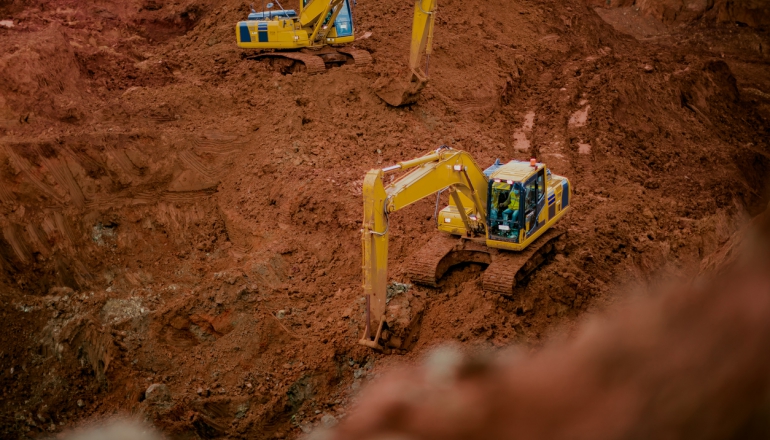
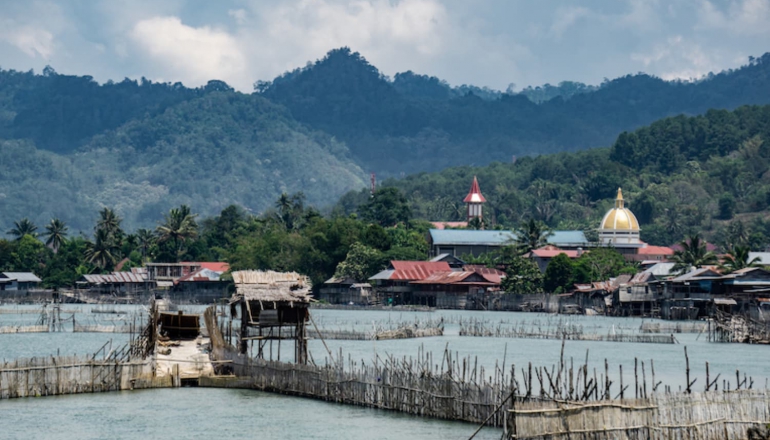
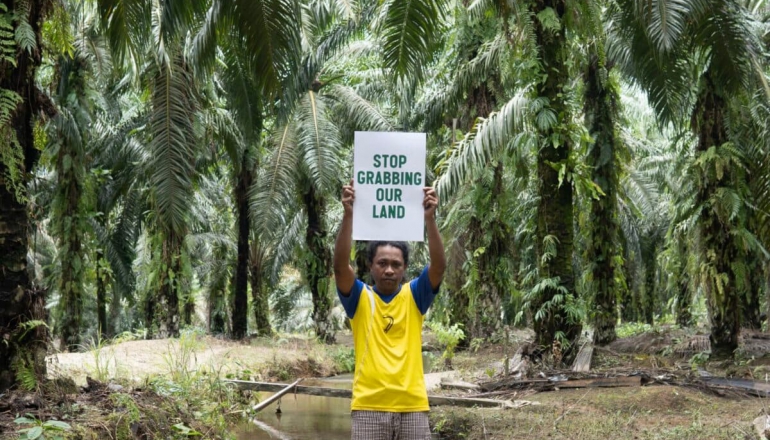
Sulawesi is one of the Indonesian islands where sand mining has historically been carried out. Plans to restart sand exports have divided opinion between those touting economic benefits and those worried about environmental impacts (Image: Basri Marzuki / NurPhoto SRL / Alamy)
Unregulated sand dredging in the early 2000s pushed Nipah to the brink of submersion, eroding its shores and threatening its existence.
This small Indonesian island near Singapore, measuring just 0.62 hectares at high tide and 60 hectares at low, was among several in the Riau Archipelago threatened by relentless sand extraction. Driven by demand for land reclamation and construction projects, the dredging devastated fragile ecosystems and jeopardised the future of these islands.
The Indonesian government intervened in 2003 by banning sea sand exports. In 2004, then-president Megawati Soekarnoputri visited Nipah Island and declared: “Nipah, the outermost island. Defend it to the last drop of blood.” Her words are now inscribed in stone on the island.
Two decades after Megawati’s declaration, Indonesia appears to be reversing course. In May 2023, then President Joko Widodo’s government lifted the ban on sand exports, citing financial opportunities amid growing global demand.
New regulations on sea sand exports were issued in Jakarta on 29 August 2024 and took effect the following month. As of October 2024, 66 eligible companies had applied for dredging permits, with the government currently assessing these applications.
While no official revenue target has been set for sea sand exports in 2025, due to the regulation’s recent enactment, the government has set a benchmark export price of USD 11.49 per cubic metre. Before the 2003 ban, Indonesia exported tens of millions of cubic metres annually, mostly to Singapore for land-reclamation projects.