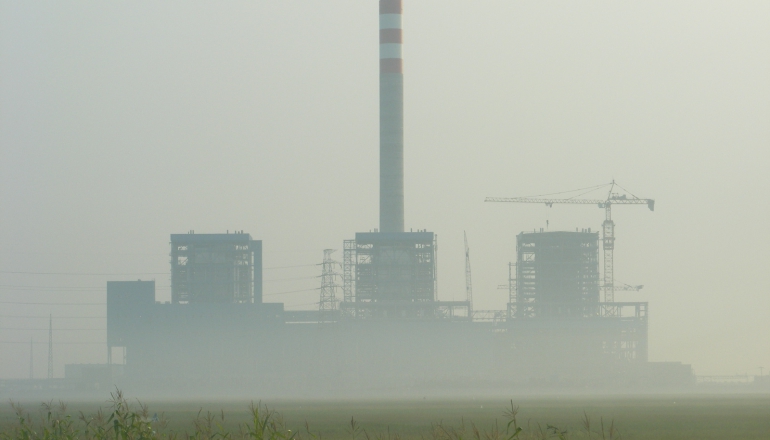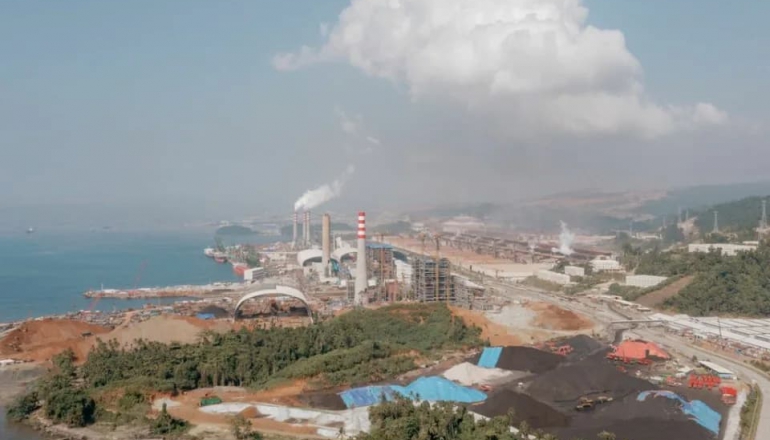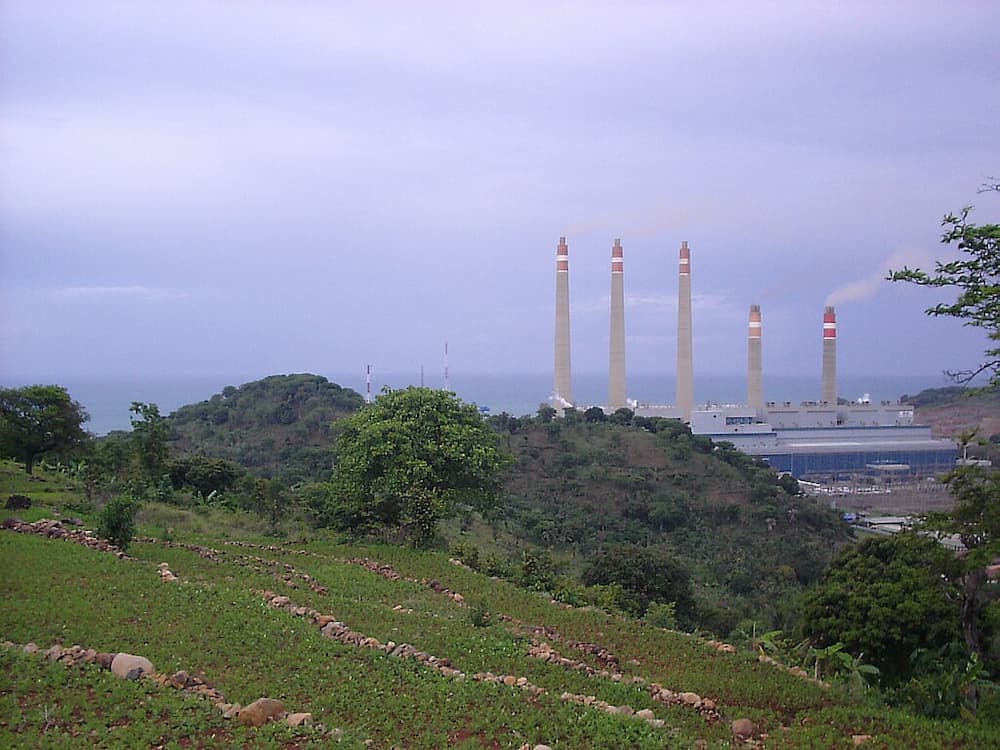
The Suralaya coal plant in Indonesia’s Banten province, on the island of Java. (Photo: Wikimedia Commons)
As a summit of Southeast Asian leaders in Jakarta fast approached in September 2023, Indonesia’s state-run electricity provider, PLN, partially shut down one of its oldest and biggest coal-fired power plants in the hopes of cleaning up the capital’s filthy air.
Jakarta’s air quality — or lack of it — was among the worst in the world. The president at the time, Joko Widodo, even developed a cough attributed to the haze.
In response, the state monopoly took offline some of the boilers at the colossal Suralaya-Banten power station complex — an ultimately meaningless move as the remaining 15 other power stations that ring Jakarta continued to churn out smog.
Nevertheless, the incident may have marked the first and last time any of Indonesia’s 135 coal-fired power stations are closed before their time.
Days after the U.S. signaled it was leaving the Paris climate agreement, again, Indonesia’s special envoy for climate change and energy, Hashim Djojohadikusumo, said his country may follow suit.
Last week, Hashim, who is also the brother of the country’s new president, Prabowo Subianto, walked back the government’s November commitment to close most of the country’s coal-fired power plants over the next 15 years, calling it “economic suicide.”
While that deadline was probably unrealistic, the trend is clear, analysts say. Big multibillion-dollar initiatives to close the country’s coal-fired plants, including the Just Energy Transition Partnership (JETP), are probably doomed.