(1).jpg)
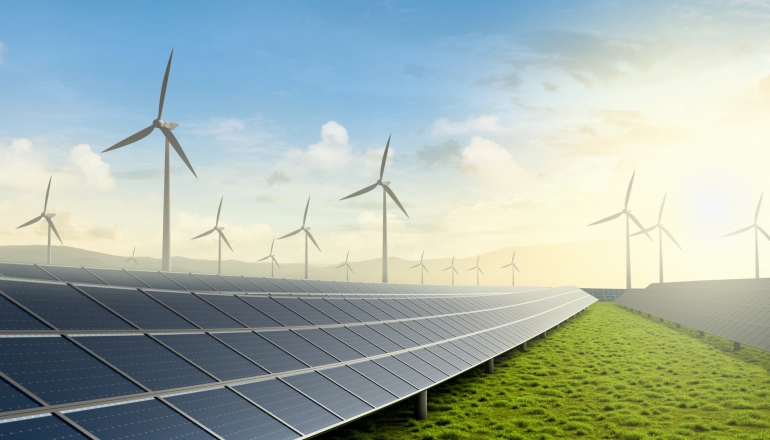
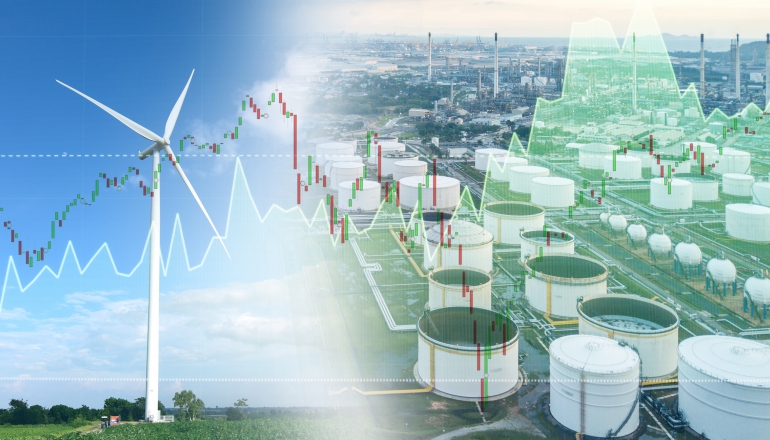
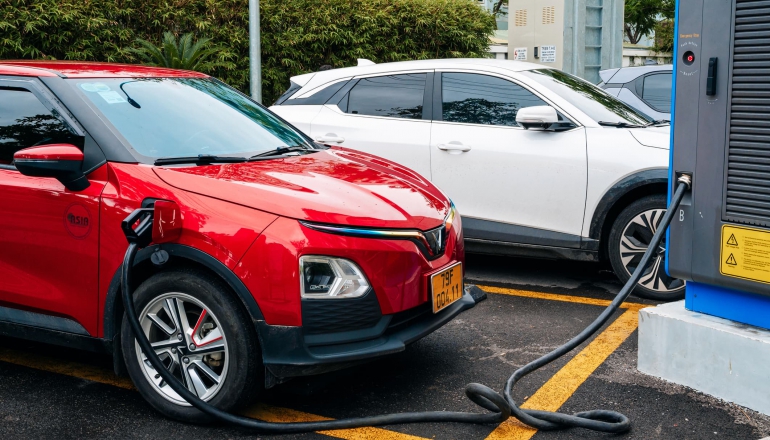
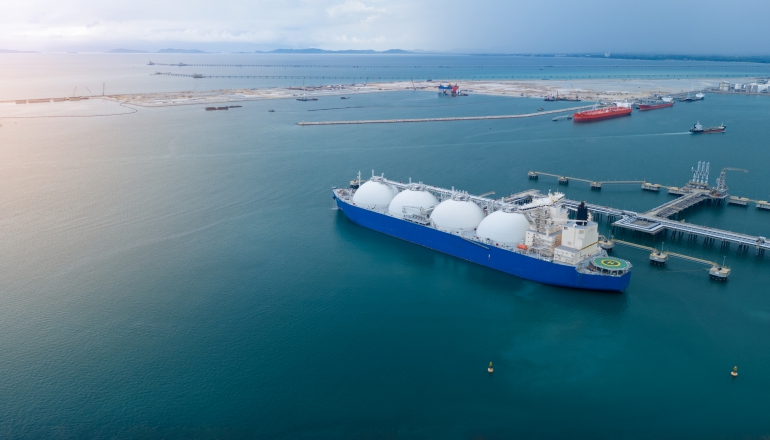
The IEA says Southeast Asia faces structurally higher fossil fuel import costs even as renewables are set to overtake coal as the region's main source of demand growth. (Photo: iStock)
The International Energy Agency (IEA) has warned that Southeast Asia’s record fossil fuel import bill is no longer an exceptional event but a structural feature of the region’s energy system, as rising demand increasingly outpaces domestic supply.
Presenting the Southeast Asia Energy Outlook 2026 on Tuesday, IEA said the recent Strait of Hormuz crisis has exposed deep vulnerabilities in the region’s energy security. Nearly half of Southeast Asia’s oil consumption depends on Middle Eastern supply, either through direct imports or through regional refineries processing crude.
The disruption has pushed Southeast Asia’s fossil fuel import bill to around USD 160 billion this year, increasing costs for industries and households reliant on transport fuels and liquefied petroleum gas (LPG). Governments across the region have responded with emergency measures, including fuel subsidies, price controls, demand reduction campaigns, and efforts to boost domestic fuel and biofuel production.
Unlock the full article to explore three key takeaways:
- The IEA warns that Southeast Asia's record fossil fuel import bill is becoming a structural feature as energy demand increasingly outpaces domestic supply.
- Despite coal's continued dominance in the power mix, renewables are projected to overtake coal as the region's largest source of demand growth between 2026 and 2035.
- The IEA says scaling the ASEAN Power Grid will require new financing models and deeper regional cooperation to strengthen energy security and enable cross-border electricity trade.