.jpg)
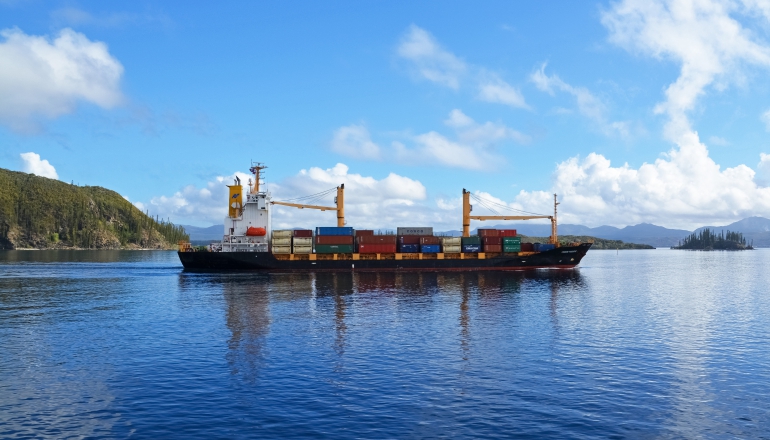
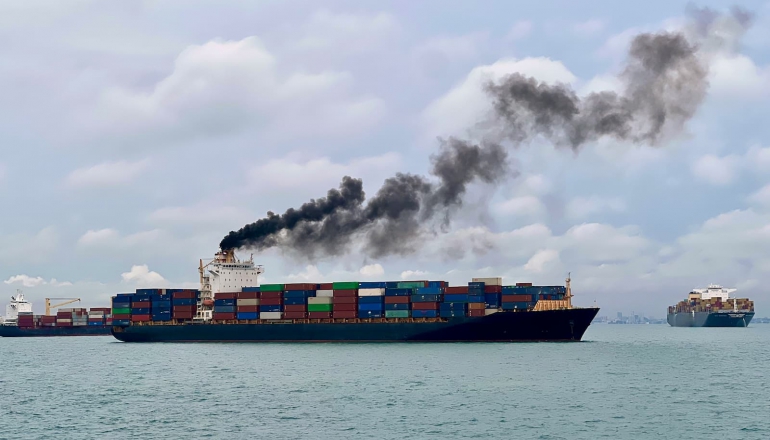
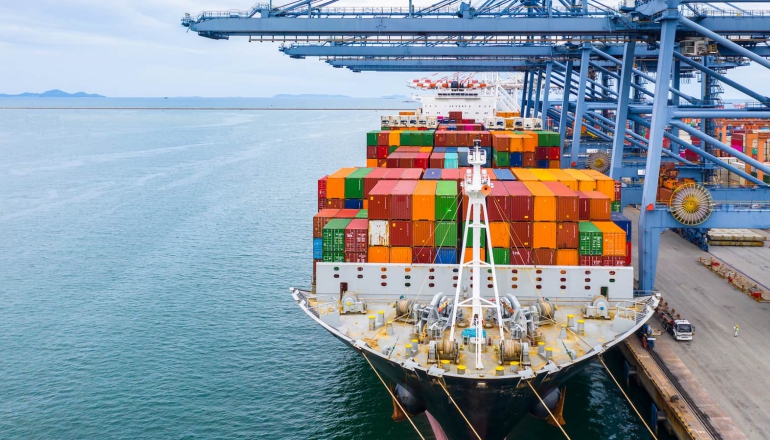
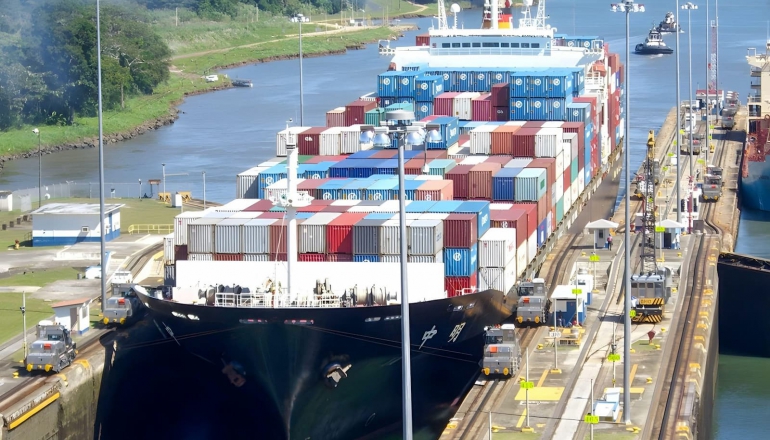
Global maritime sector faces first-ever carbon pricing under IMO framework. (Photo: Pixabay)
The United Nations’ International Maritime Organization (IMO) on April 11 reached a historic deal on the world’s first carbon pricing mechanism for the shipping industry. Under the new system, vessels exceeding emissions thresholds will be required to pay fees of up to $380 per ton of CO₂, though some member states argue this measure falls short compared to a comprehensive carbon tax.
According to carbon market analyst Sherry Hu from RECCESSARY, global carbon pricing is becoming a widespread trend, and businesses should take early action in two key areas to stay ahead.
Emission fees and allowance trading introduced for high-emitting ships
For the first time, IMO member states—which represent the majority of the global fleet—have taken a vote to initiate decarbonization measures in the shipping sector. Large vessels over 5,000 gross tonnage that emit beyond set limits will pay a fee, starting at $100 per excess ton and rising to a maximum of $380. The goal is to incentivize sustainable transitions within the industry and align it with net-zero ambitions.