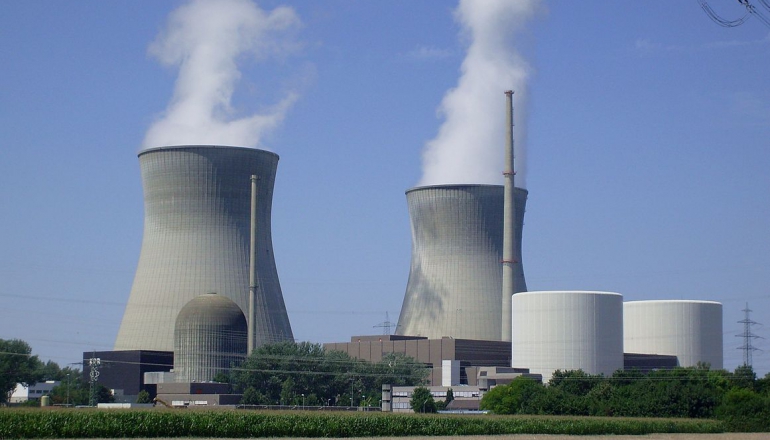
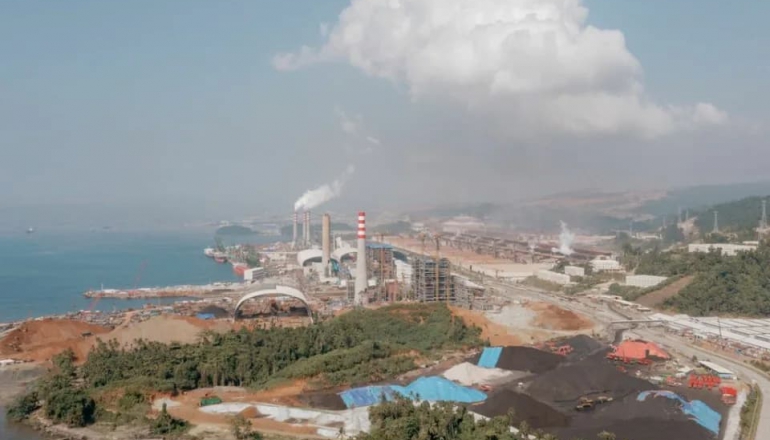
.jpg)
The Java-1 Steam Gas Power Plant or PLTGU in Karawang, the largest integrated power plant in Southeast Asia. Image courtesy of Pertamina.
Experts have lambasted Indonesia’s heavy push toward natural gas, saying it risks locking the country into fossil fuel dependency under the guise of clean energy, dealing immense damage to the economy, public health and the environment.
In a new report, Jakarta-based think tank the Center of Economic and Law Studies (CELIOS) and Greenpeace Indonesia identified significant downsides to this reliance, which has already seen a quarter of the national grid, or 26 gigawatts, powered by gas. The government recently unveiled a plan to build another 22 GW of gas power capacity by 2040.
But even if only the announced projects from that new fleet, amounting to 2.6 GW, come online, that will still translate into additional annual emissions of 5.97 million metric tons of carbon dioxide and 5,332 metric tons of methane, according to the report.
The full 22 GW gas expansion would raise this to 49 million metric tons of CO₂ and nearly 44,000 metric tons of methane annually, it says, making the embrace of gas incompatible with Indonesia’s climate goals.
“Compared to renewable energy, which can contribute to reducing carbon emissions by 30-40%, fossil gas power plants can instead hinder progress toward achieving net zero emissions,” the report says. It adds that classifying gas as a “transition fuel” is “highly misleading, as it distracts from the immediate focus on adopting renewable energy that aligns with the Paris climate commitments.”
The government has touted gas as a clean energy source that can bridge the transition from coal, which accounts for most of Indonesia’s energy mix, and renewable energy. In 2023, the energy minister called it “the fastest way to reduce emissions and costs, from diesel fuel-fired to gas-fired.”
Report editor Leonard Simanjuntak, the country director for Greenpeace Indonesia, said this is a cop-out for the government’s failure to invest sufficiently in renewables.
“Since it’s now almost certain we won’t hit the 23% renewables target this year, the government is switching the story to say gas should be our main transition energy,” he said at the launch of the report in Jakarta.