Malaysian Deputy Prime Minister Ahmad Zahid Hamidi said that the government will work with 19 private biodiesel plants to expand production capacity. (Photo: Ahmad Zahid Hamidi's Facebook)
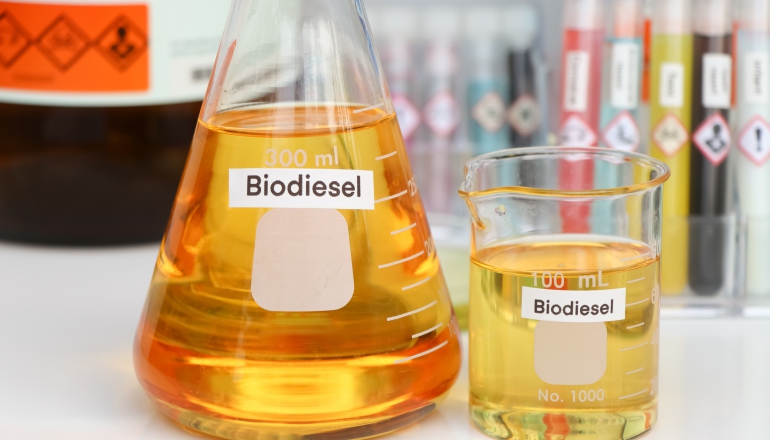
Southeast Asian countries are accelerating efforts to scale up sustainable fuels in response to ongoing global energy disruptions. In Malaysia, the government is working with 19 biodiesel producers to expand output capacity, aiming to lower production costs and broaden applications across aviation and land transport.
Meanwhile, Indonesia is drafting regulations to allow plastic-waste-derived diesel to enter the market, with initial deployment targeting corporate users.
How far has Indonesia’s plastic-based diesel come?
Indonesia’s Ministry of Energy and Mineral Resources said on April 16 that plastic-waste-derived diesel products remain in the testing phase, with some pilot outputs already meeting Directorate General of Oil and Gas standards at cetane numbers (CN) of 48 and 52. Higher cetane values indicate shorter ignition delays and more efficient combustion.
Unlock the full article to explore three key takeaways:
- Malaysia is partnering with 19 private biodiesel facilities to scale output.
- Indonesia's Benowo facility is piloting plastic-waste-derived diesel at 60,000–70,000 liters per day.
- Commercializing plastic-waste-derived diesel remains challenging, with experts pointing to three key barriers.