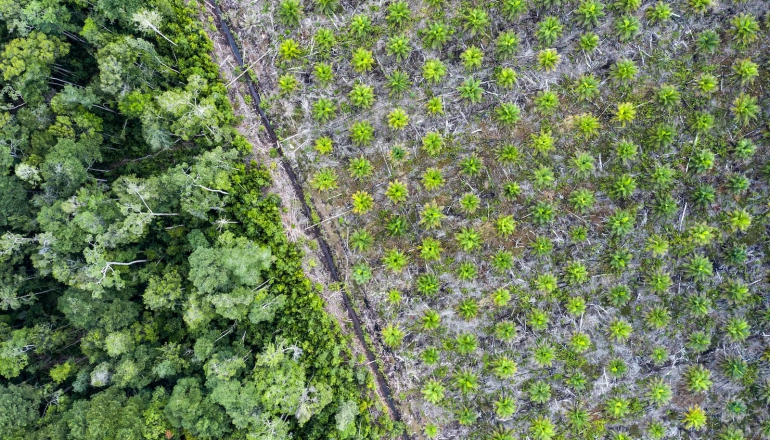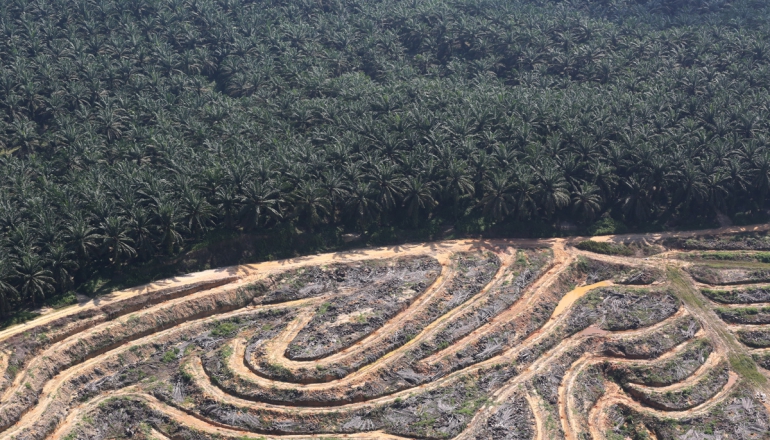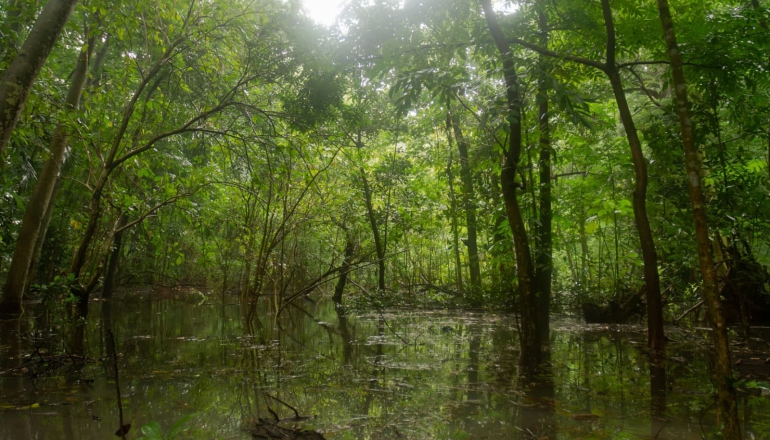
Indonesia and Vietnam are strengthening legal frameworks for forest carbon credits. (Photo: Unsplash)
Resource-rich Indonesia is moving to further open its forestry carbon market, as the Ministry of Forestry rolls out a new regulation aimed at improving credit quality and market integrity.
Edo Mahendra, senior advisor to Indonesia's forestry minister, said on May 25 that the newly passed Regulation No. 6/2026 streamlines administrative procedures and addresses double counting risks, aligning Indonesia’s framework with growing global demand for high-quality carbon credits. The move marks what officials describe as a new phase in the country’s carbon market development.
In addition to Indonesia, Vietnam’s carbon market is expected to gain momentum as its regulatory framework develops, with a decree on forest carbon sequestration and storage services set to take effect in June.
What issues does Regulation No. 6 address?
Edo said the regulation lays the groundwork for scaling up investment in forestry-based carbon credits by introducing clearer and more efficient procedures, accelerating carbon trading within the forestry sector and signaling that political commitments are now being translated into concrete regulatory action.
Unlock the full article to explore three key takeaways:
- Indonesia's Ministry of Forestry Regulation No. 6/2026 operationalizes the country's carbon market framework by streamlining project lifecycles and introducing nesting scheme safeguards.
- Indonesia has pledged to manage emissions across 50 million hectares of land under its COP30 commitments which could generate a significant high-quality carbon credit supply pipeline.
- Vietnam's incoming decree paves the way for 5.15 million forest carbon credits to be transferred to LEAF Coalition corporate buyers at a minimum of USD 10 per credit.