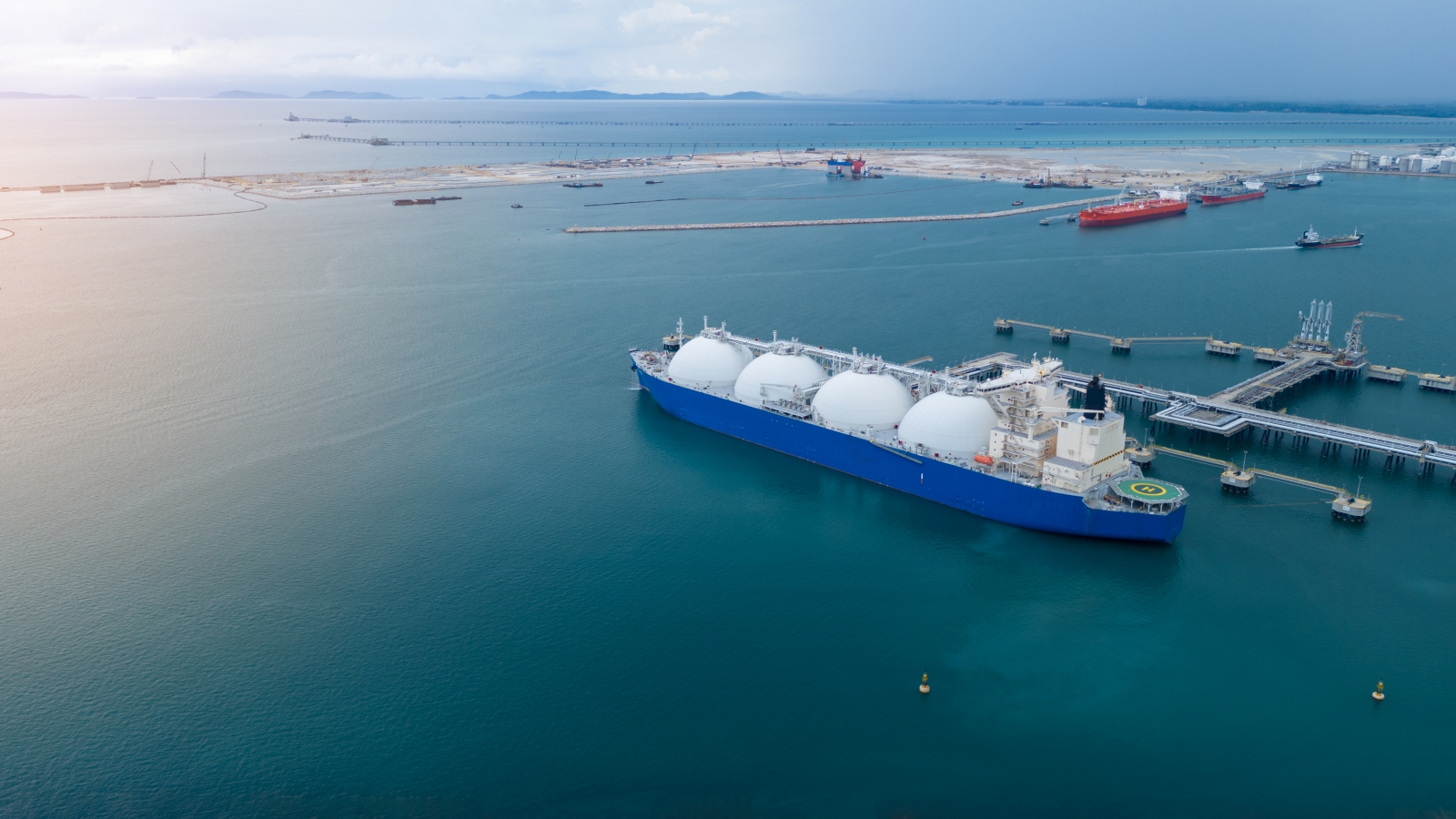
Middle East conflict triggers fossil fuel supply crunch, sending Asian countries scrambling for LNG. (Photo: iStock)
The conflict between the U.S. and Iran has pushed up global fossil fuel prices. With expectations of tighter supplies, Asian countries that rely heavily on energy imports have begun building up reserves. Moves such as export bans and aggressive buying at high prices show how limited governments’ options have become, underscoring the entrenched role fossil fuels still play in modern society.
At the same time, the crisis may offer a critical moment for countries to reassess the pace and direction of their energy transition. Some experts say the war could prove to be a turning point for Asia, determining whether the region continues moving toward a low carbon and sustainable future or turns back to fossil fuels.
Fossil fuel supply disruption sets off a price war between Asia and Europe
The Middle East conflict has thrown global energy supply chains into disarray. Argus, a global energy and commodities market analytics firm, found that after the conflict erupted, crude prices for cargoes passing through the Strait of Hormuz surged as delivery uncertainty increased. Rising transport risks also pushed up insurance costs, making freight from the Middle East to Asia more expensive than shipments from the U.S. despite the shorter distance. That shift prompted one Japanese refiner to turn to US crude.
The Economist, citing Argus data, also reported that under normal conditions, US West Texas Intermediate (WTI) crude is mainly shipped to Europe. Since the outbreak of the conflict, however, Asian buyers have continued purchasing it at higher prices even though WTI is not always well suited to Asian refineries and is available in smaller volumes. The trend highlights the urgency in Asian markets to fill what they expect will be a substantial supply gap.
The liquefied natural gas market has seen a similar pattern. In the first week after the U.S. and Israel launched attacks on Iran, US LNG exporters that redirected cargoes to Asia reaped windfall profits. The price premium over cargoes sent to Europe climbed to its highest level since December 2022, when the Russia-Ukraine war disrupted gas supplies and triggered a bidding war between European and Asian buyers.
Unlock this analysis to learn three key takeaways:
- The Middle East conflict has disrupted energy supply chains, forcing Asian countries to compete for oil and gas at elevated prices.
- In response to mounting energy risks, ASEAN countries are rolling out measures such as four-day workweeks, expanded coal use and energy saving policies.
- As high oil prices weigh on the region, Asia faces a choice between accelerating its low carbon transition and falling back on fossil fuels.