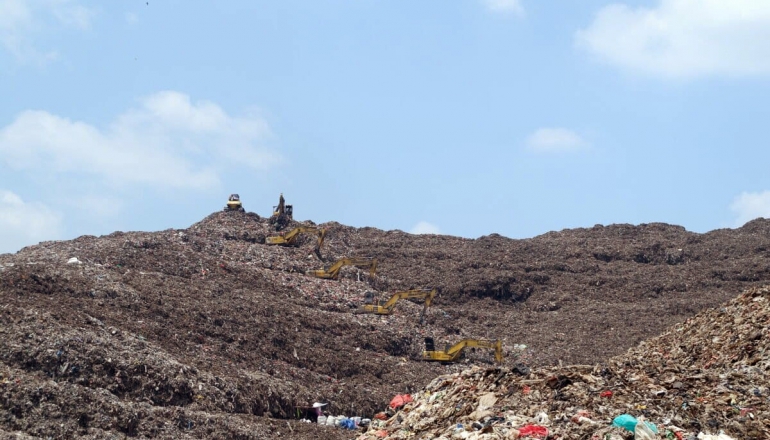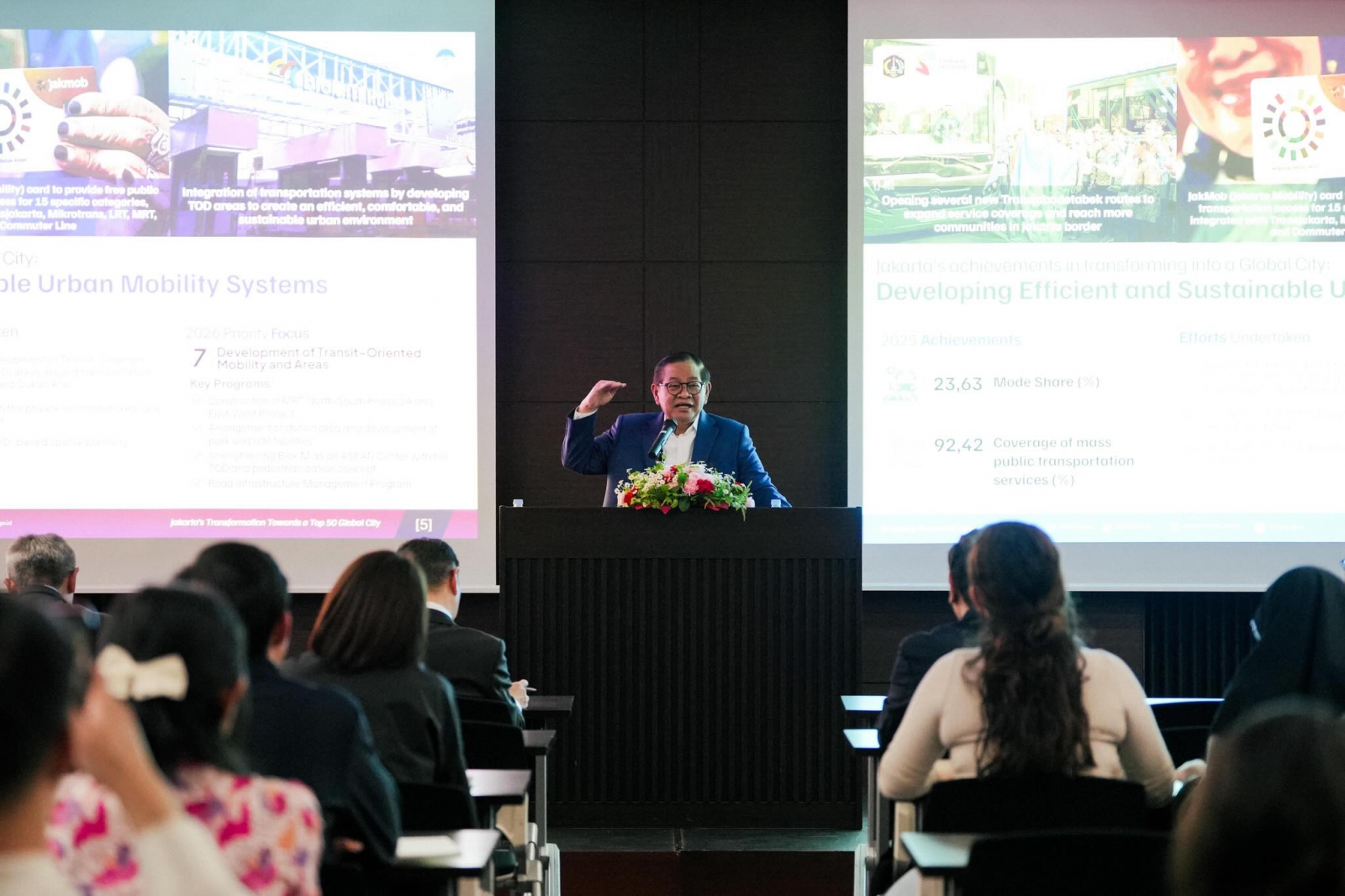
Pramono Anung announced plans to expand electric bus procurement and build waste-to-energy plants in Jakarta. (Photo: Pramono Anung's facebook)
Indonesia’s megacity Jakarta is stepping up efforts to curb environmental pollution while expanding the deployment of low-carbon technologies.
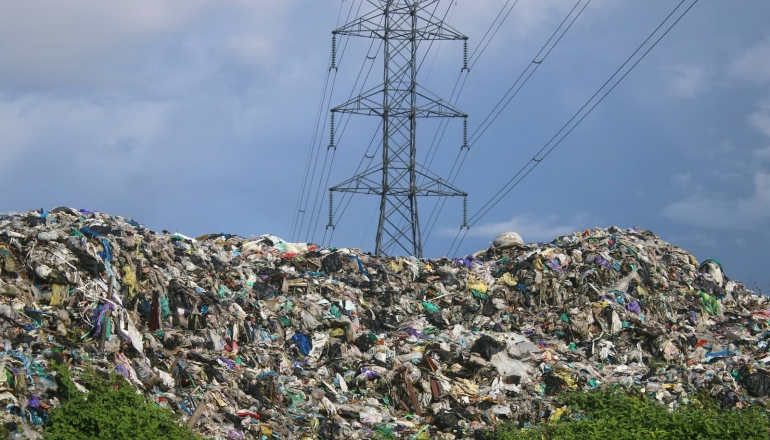
Governor Pramono Anung announced on May 4 that the city plans to procure 10,000 electric buses by 2030 to reduce transport-related air pollution. The administration has also signed a cooperation agreement with sovereign wealth fund Danantara to build two new waste-to-energy plants, alongside stricter enforcement of waste sorting rules — with violations potentially punishable by up to three months in jail.
How severe is Jakarta’s air pollution?
Jakarta has long struggled with poor air quality. In the early hours of May 3, the city’s Air Quality Index (AQI) surged to 182, ranking it among the most polluted cities globally.
Unlock the full article to explore three key takeaways:
- Jakarta currently operates 460 electric buses and plans to scale up to 10,000 by 2030, primarily to curb vehicle emissions and air pollution.
- Two new waste-to-energy plants are set to open in 2028, with a combined daily processing capacity of 16,000 tonnes and an investment of USD 1 billion per facility.
- Starting August this year, Jakarta's landfill will only accept residual waste. Violations of the mandatory sorting rules may result in fines of up to IDR 5 million or up to three months in jail.