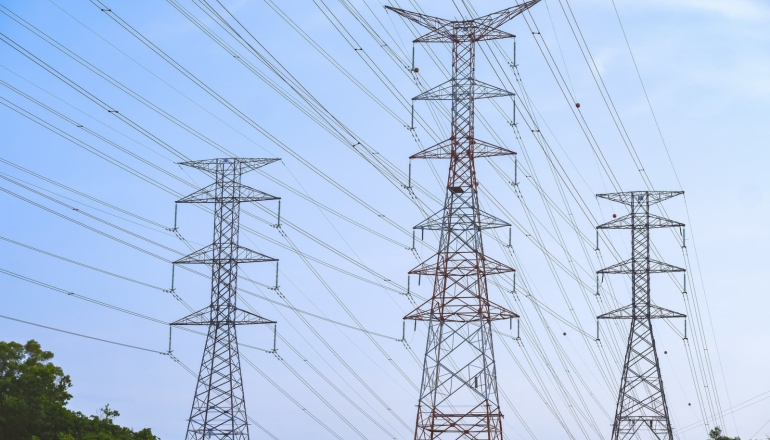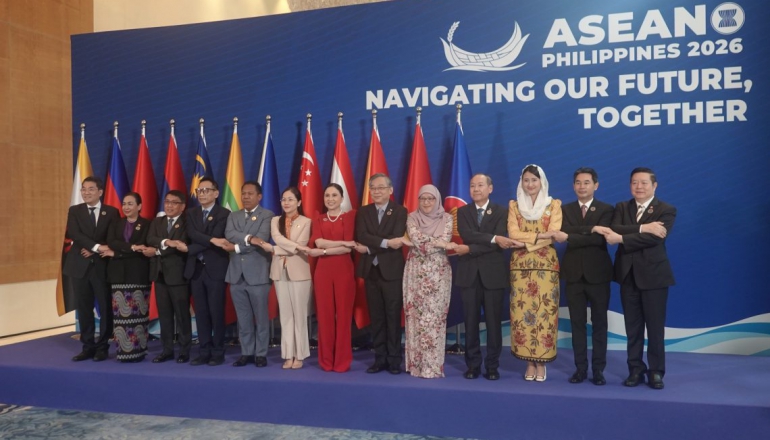
Southeast Asian countries are accelerating discussions on regional grid integration as AI-driven power demand continues to grow. (Photo: Pixabay)
Malaysia is renewing its push for the ASEAN Power Grid, arguing that rising electricity demand from AI infrastructure and growing geopolitical risks are exposing the limits of national energy systems.
Speaking at the Energy Transition Conference 2026 on Thursday, Malaysian Prime Minister Anwar Ibrahim said Southeast Asia can no longer rely solely on domestic grids to guarantee energy security as electricity demand accelerates and global energy supply chains become increasingly vulnerable to disruption.
“The challenge before us is not only to generate more energy, but to ensure that it remains secure, affordable and sustainable,” Anwar said.
Unlock the full article to explore three key takeaways:
- Rising AI-driven electricity demand and geopolitical uncertainty are increasing the urgency of regional grid integration in Southeast Asia.
- The LTMS-PIP cross-border power trading project has doubled capacity to 200 MW, highlighting growing momentum for the ASEAN Power Grid.
- Financing remains a major challenge, with Southeast Asia requiring an estimated USD 100 billion in transmission investment by 2045.