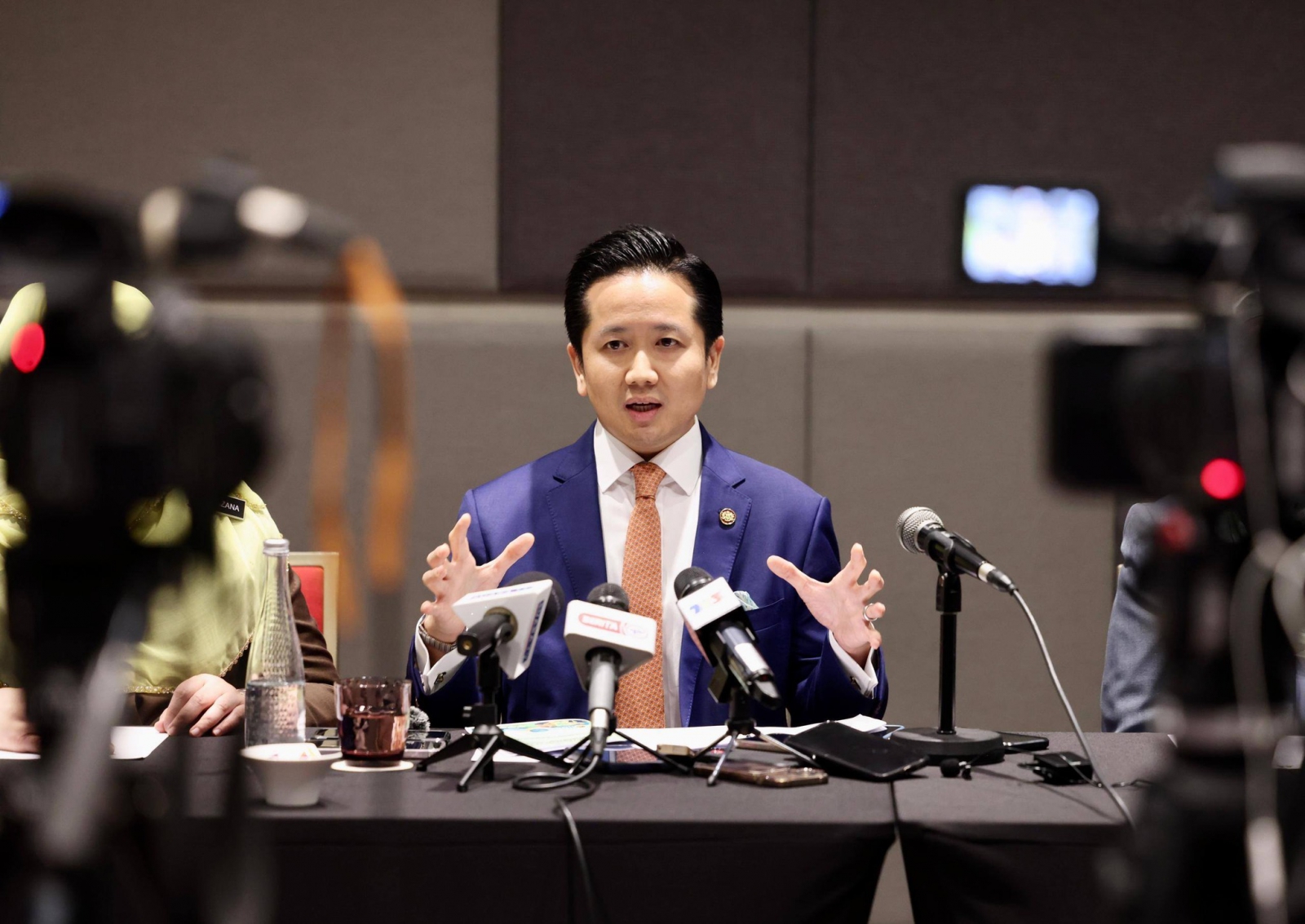
Malaysia’s Natural Resources and Environmental Sustainability Minister, Arthur Joseph Kurup, announced a delay to the implementation of the carbon tax. (Photo: Arthur Joseph Kurup's Facebook)
Rising global energy prices are weighing on national decarbonization strategies. Malaysia’s Minister of Natural Resources and Environmental Sustainability, Arthur Joseph Kurup, said on April 21 that the government will postpone the introduction of a carbon tax on the industries to avoid adding to cost pressures on businesses.
Instead, authorities will prioritize rolling out the National Carbon Market Policy (NCMP), focusing first on building a robust market framework to pave the way for future carbon trading.
Why did Malaysia delay its carbon tax?
Speaking at the 2026 Climate Change and Sustainable Development Conference hosted by the Forest Research Institute Malaysia (FRIM), Kurup reiterated that while the government remains committed to implementing a carbon tax, it must account for geopolitical uncertainties and avoid placing additional burdens on businesses and households.
Unlock the full article to explore three key takeaways:
- Malaysia has postponed its carbon tax, suspending the planned rollout that was set to begin with steel and energy industries.
- The government has launched the National Carbon Market Policy (NCMP) for voluntary and compliance carbon markets.
- Economists broadly support the delay but warn that a clearly defined timeline is essential to preserve policy credibility.