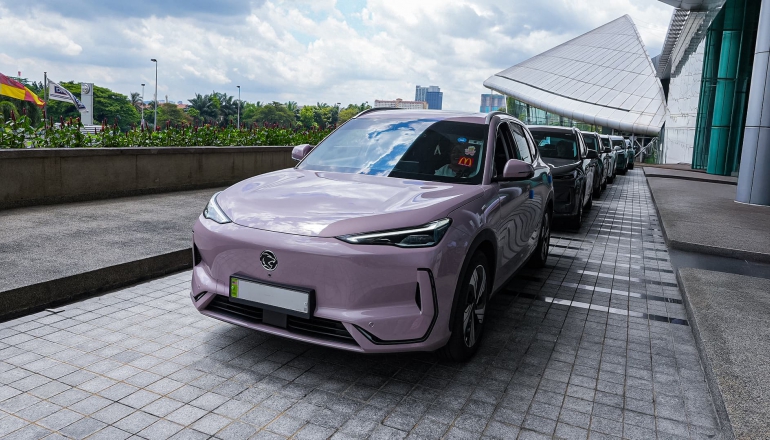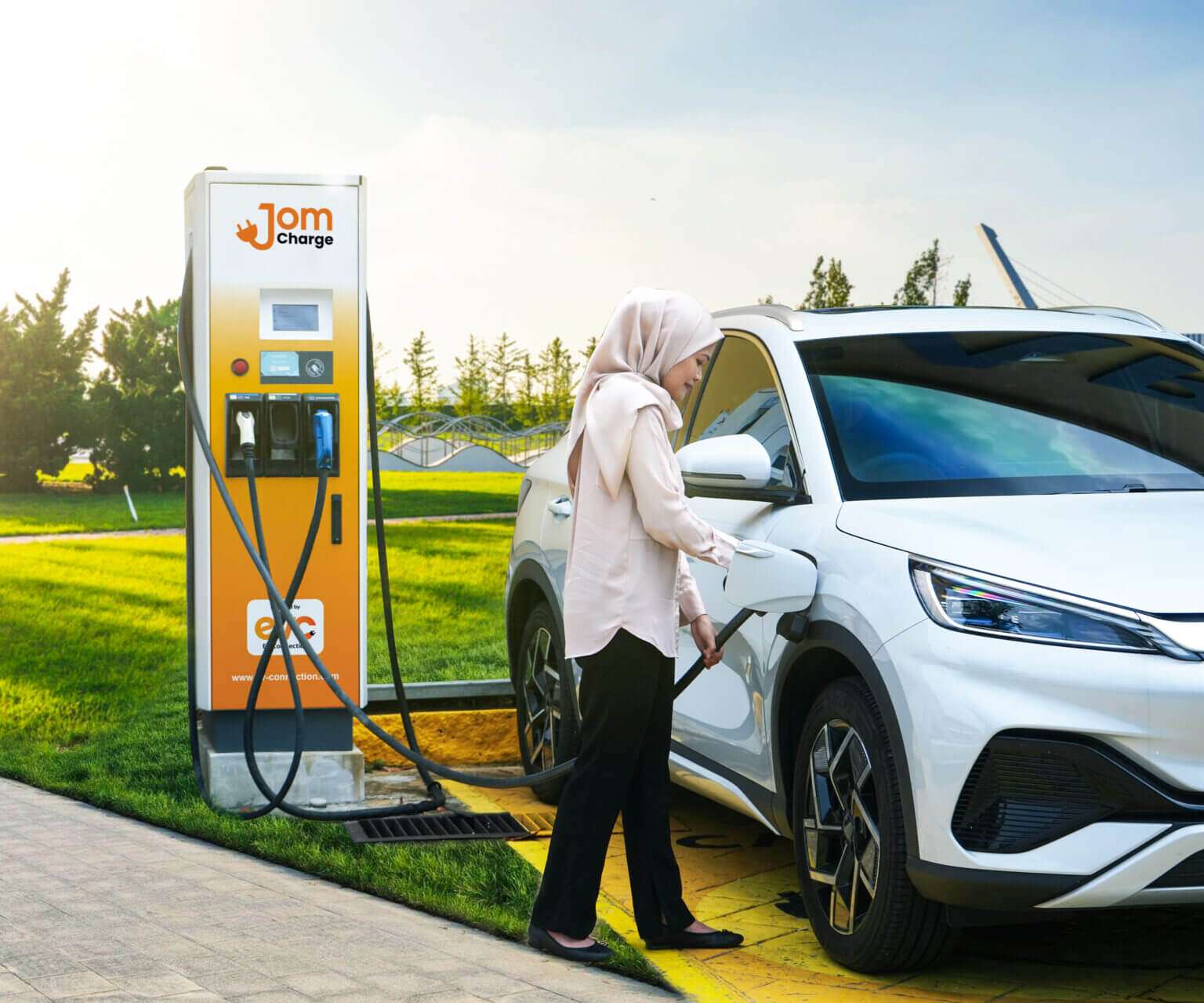
Malaysia’s EV charging market is shifting from prioritizing quantity to focusing on quality. (Photo: EV Connection)
Malaysia’s electric vehicle (EV) charging network has reached only about half of its national target, underscoring the challenges of scaling up infrastructure. The Malaysia Automotive, Robotics and IoT Institute (MARii), an agency under the Ministry of Investment, Trade and Industry, said the market is no longer focused solely on the number of chargers installed, but rather on identifying the most suitable development pathways.
Industry players point to three key bottlenecks constraining deployment. At the same time, they remain optimistic that volatility in global oil prices is driving renewed interest in EVs, which could in turn stimulate demand for charging infrastructure.
Why Malaysia is falling short on EV charger targets
Rising geopolitical tensions in the Middle East have pushed up fuel costs, boosting interest in EVs and other transport options with more predictable energy expenses. In Malaysia, EV registrations reached 4,717 units in March, up more than 50% year-on-year. Total registrations in the first quarter doubled compared with the same period last year.
Unlock the full article to explore three key takeaways:
- Malaysia's charging network stands at just half its national target exposing structural challenges in EV infrastructure rollout.
- EV registrations doubled in Q1 2026, with March alone logging 4,717 new units — a 50%+ year-on-year surge.
- Industry players are shifting from scale to fit: AC chargers for dwell-time locations, DC fast chargers for highway corridors — a quality-over-quantity pivot.