.jpg)
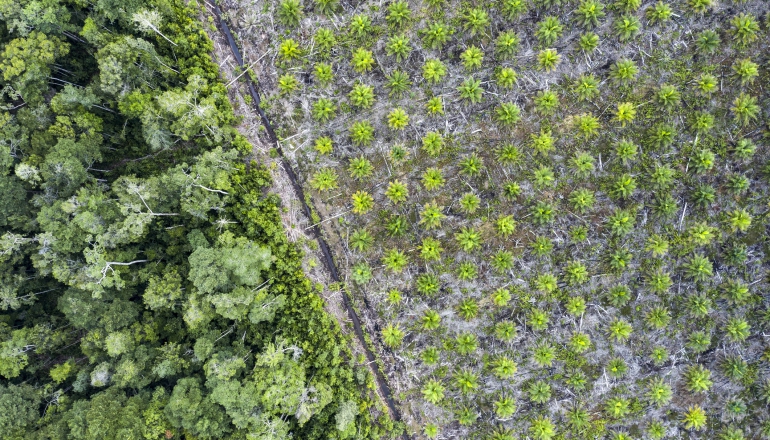
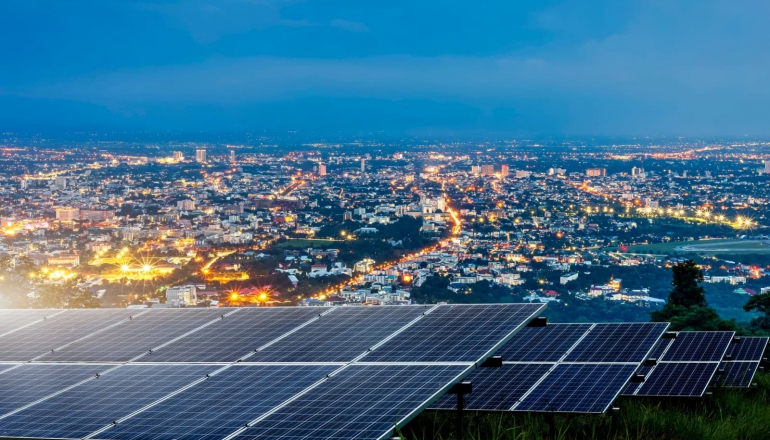
The energy crisis prompted Indonesia and Malaysia to expand solar power, highlighting that even major energy producers are exposed to supply disruptions and price swings. (Photo: Pixabay)
The Strait of Hormuz has reopened. Over the past few months, Southeast Asian governments have expanded fuel subsidies, accelerated biofuel policies, and introduced other measures to cushion consumers from higher energy prices.
Experts at an ISEAS-Yusof Ishak Institute webinar said the episode also exposed the region’s continued dependence on imported fossil fuels and underscored the need for longer-term structural reforms to strengthen energy security.
The webinar, organized by ISEAS’s Regional Economic Studies and Climate Change in Southeast Asia programmes on June 25, focused on Indonesia and Malaysia. Speakers argued that even major energy producers in Southeast Asia remain exposed to external supply disruptions and price volatility, highlighting the need to accelerate energy transition efforts alongside near-term energy security measures.
Unlock the full article to explore three key takeaways:
- Indonesia’s experience suggests that biofuel expansion can strengthen energy security objectives, although financing mechanisms tied to commodity markets may face practical limits as programmes scale up.
- Malaysia’s recent renewable energy reforms suggest that integrating more distributed solar generation and strengthening grid management are becoming part of its longer-term energy security strategy.
- Experts argued that energy security and energy transition should be pursued as a single policy agenda, with renewable deployment, market reforms, and diversified supply sources strengthening long-term resilience.