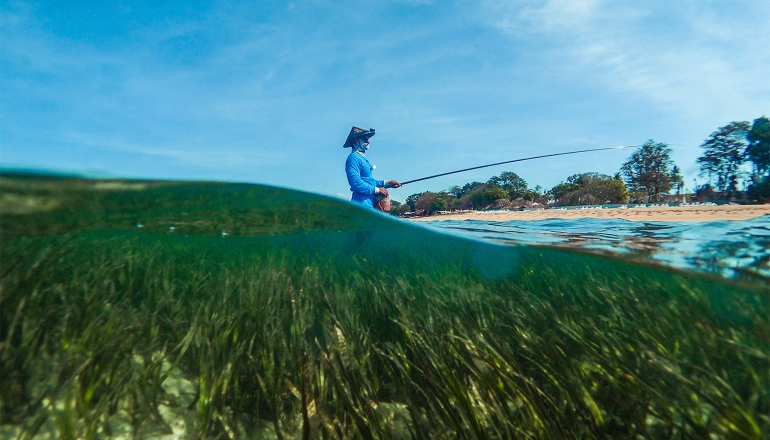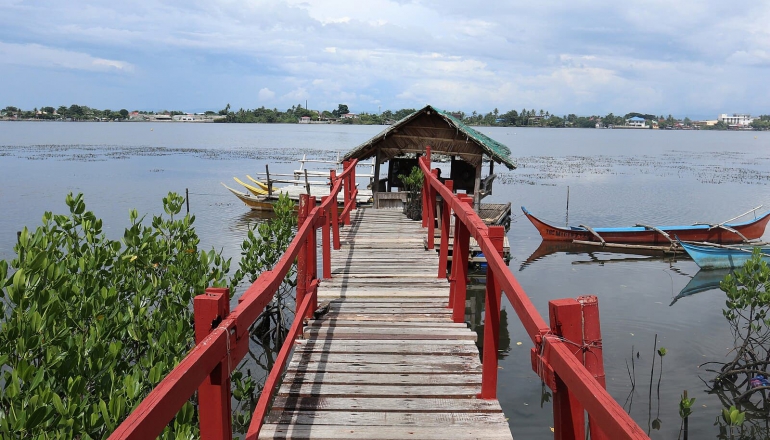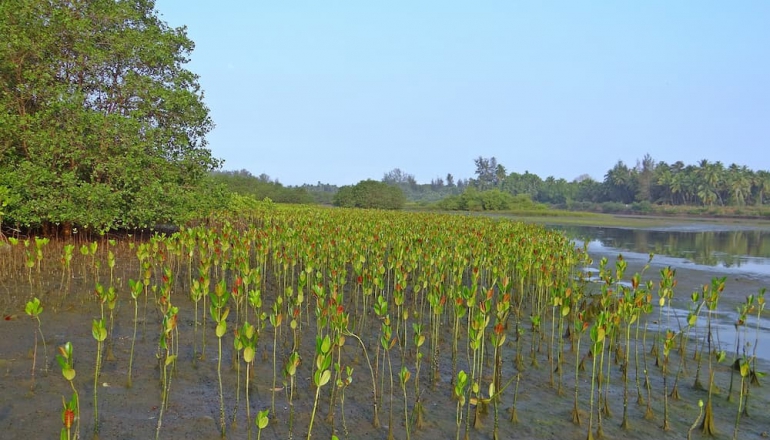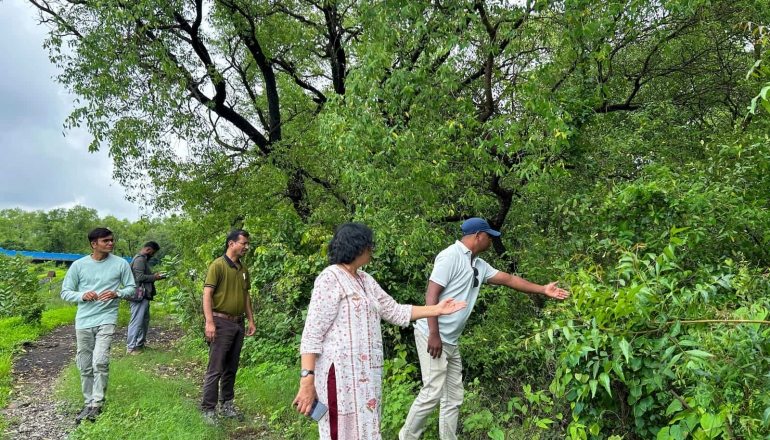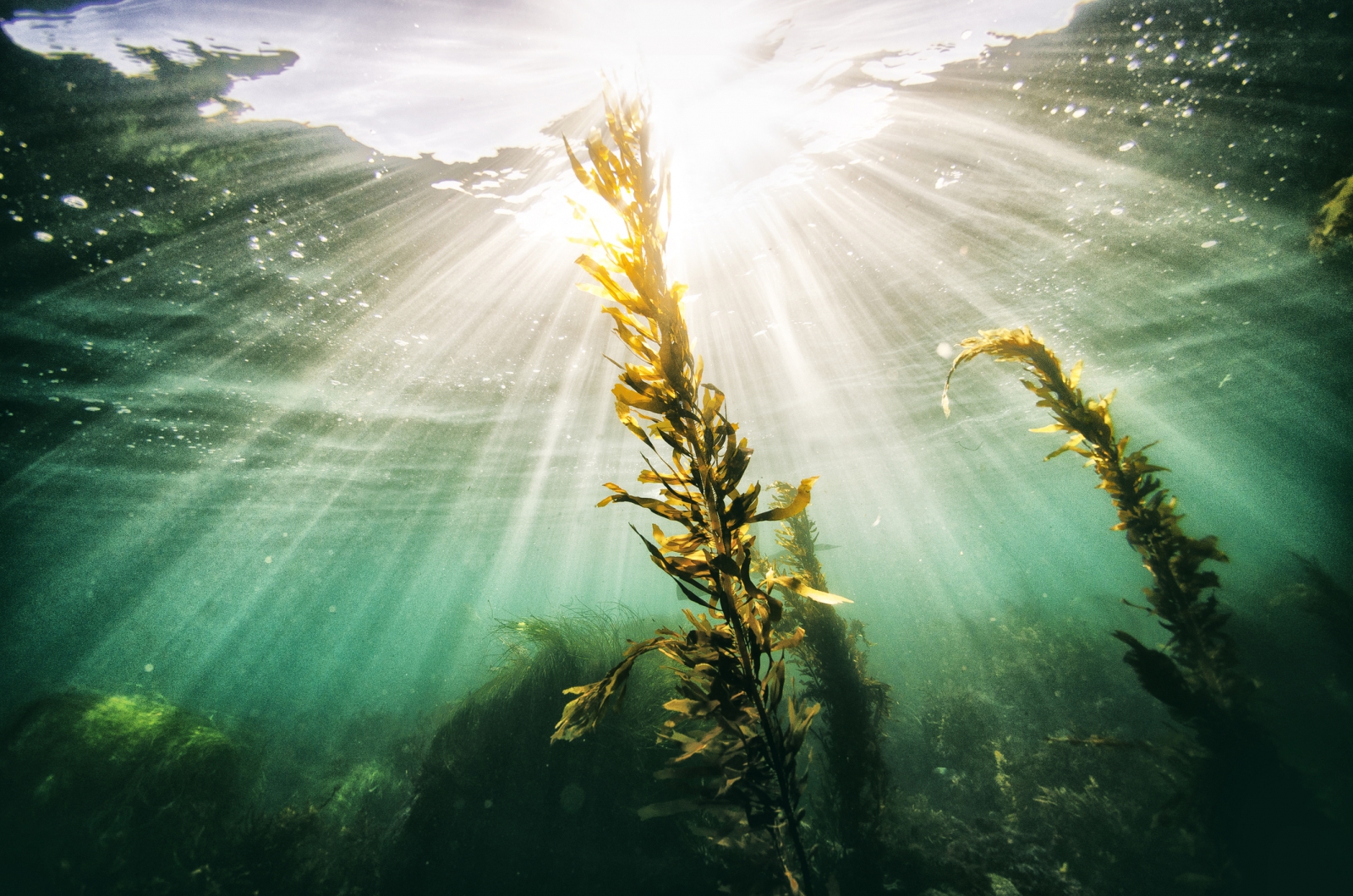
Large seaweeds can absorb carbon dioxide 20 times than forests.(Photo: iStock)
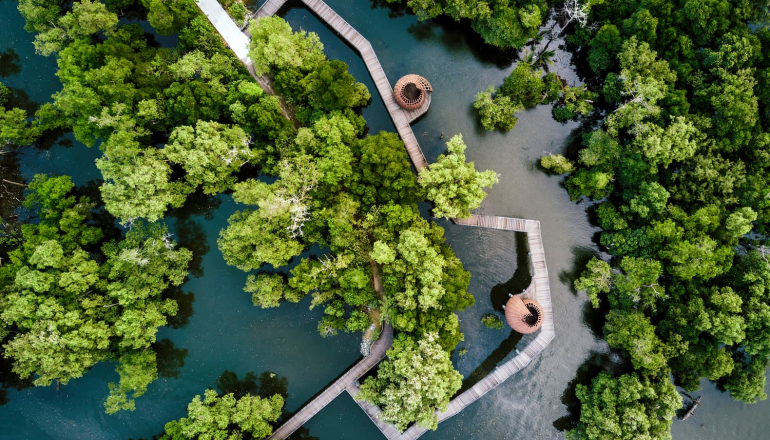
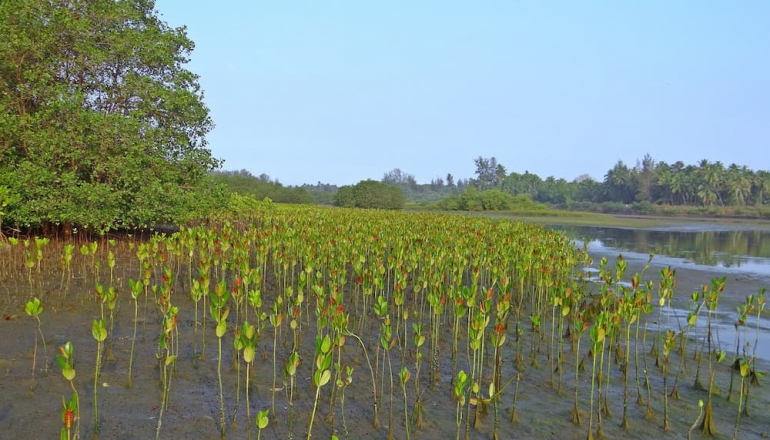
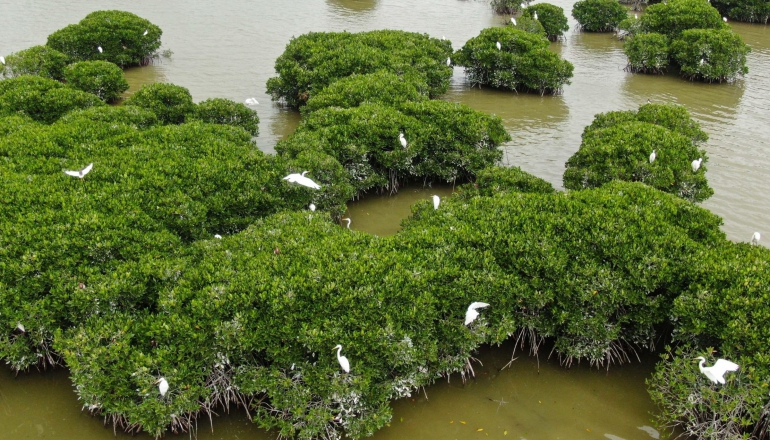
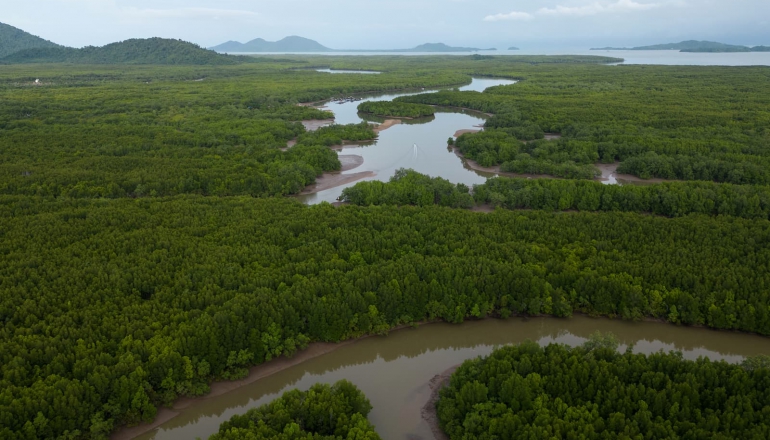
In natural carbon sinks, in addition to the often-discussed green carbon from forests, blue carbon, primarily from marine ecosystems, is gradually gaining attention. Notably, some blue carbon sources have superior carbon sequestration capabilities compared to green carbon, making them the new favorites in the carbon credit market.
With a coastline extending over 3,000 kilometers, Vietnam, blessed with a unique geographical environment, is actively exploring new opportunities in blue carbon.
Seaweed’s potential in Vietnam’s carbon credit market
Seaweed, a type of blue carbon, has great potential in Vietnam. According to a report from the Aquaculture Department of the Ministry of Agriculture and Rural Development, Vietnam has a potential seaweed farming area of up to 1 million hectares, capable of producing 600,000 to 700,000 tons of dried seaweed annually. Currently, however, production stands at only 150,000 tons, indicating significant room for growth.