(Photo: EU Civil Protection and Humanitarian Aid)
This year’s record-breaking typhoon season in the Philippines – which saw six consecutive storm systems hit the country in under a month – was “supercharged” by climate change, according to a rapid attribution study.
The Philippines is one of the most vulnerable countries in the world to extreme weather. Between late October and mid November 2024, the country was hit by a barrage of storms, starting with severe Tropical Storm Trami on 22 October, and ending with Tropical Storm Man-Yi which made landfall on 16 November.
“Typhoon” is the term used to describe a tropical cyclone – a tropical storm with wind speeds of at least 33 metres per second – that forms in the north-west Pacific. (If a tropical cyclone forms in the Atlantic Ocean or north-eastern Pacific Ocean, it is called a hurricane.)
Even for a disaster-prone country, such rapid “clustering” of typhoons was “unprecedented”, one Filipino expert told a press briefing.
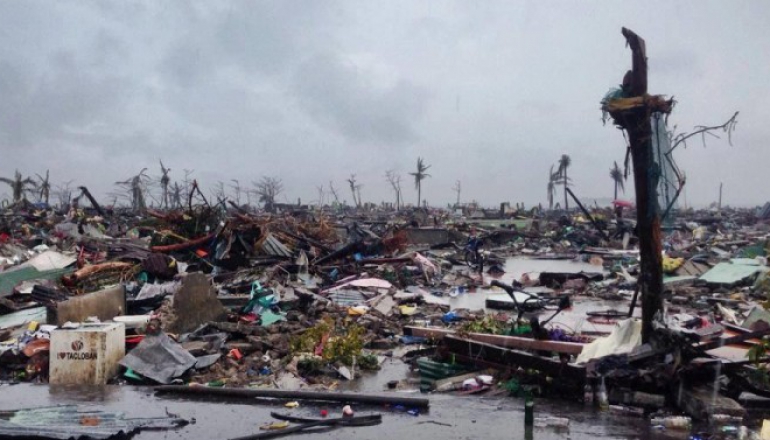
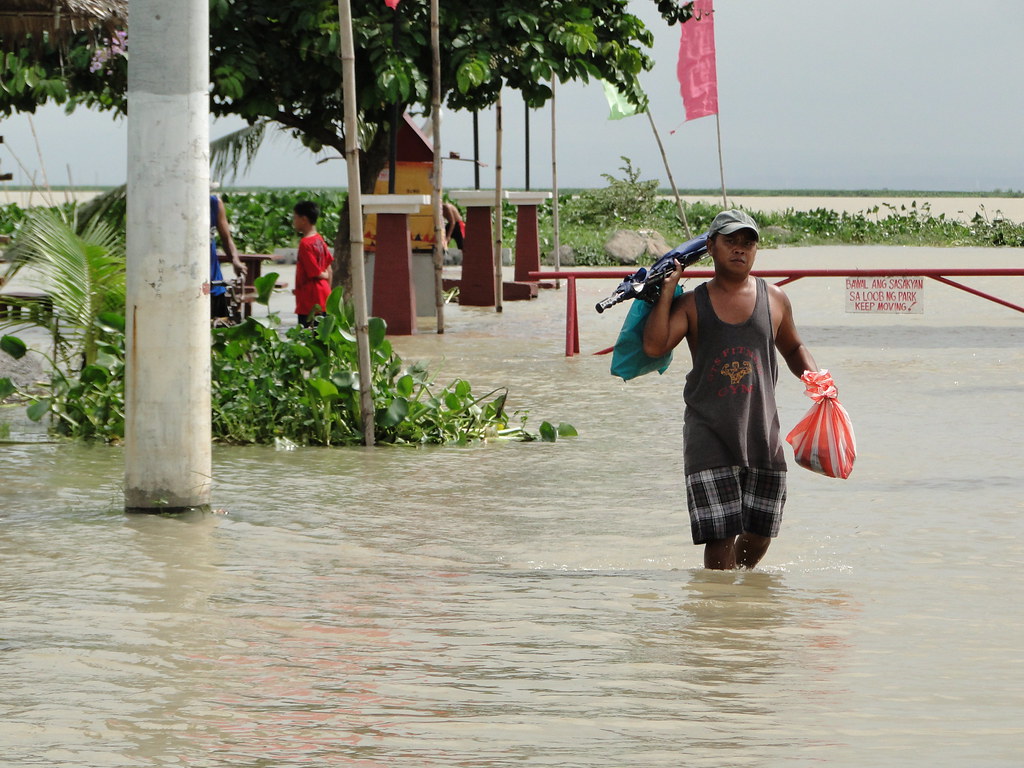
By the end of November 200,000 individuals were displaced across six regions – many of whom had been forced from their homes multiple times in just one month.
The World Weather Attribution (WWA) service finds that climate change has exacerbated the conditions that enabled these powerful storms to form in the Philippine Sea, such as warm seas and high humidity.
Of the six major storms that hit the Philippines between the end of October and middle of November this year, three made landfall as “major typhoons” with wind speeds above 50 metres per second (112 miles per hour). This is 25% more likely to happen in today’s climate than it would have been in a pre-industrial world without human-caused warming, the study finds.
The typhoons “highlight the challenges of adapting to back-to-back extreme weather events”, the study says. The authors add that “repeated storms have created a constant state of insecurity, worsening the region’s vulnerability and exposure”.
‘Unprecedented’ typhoon season
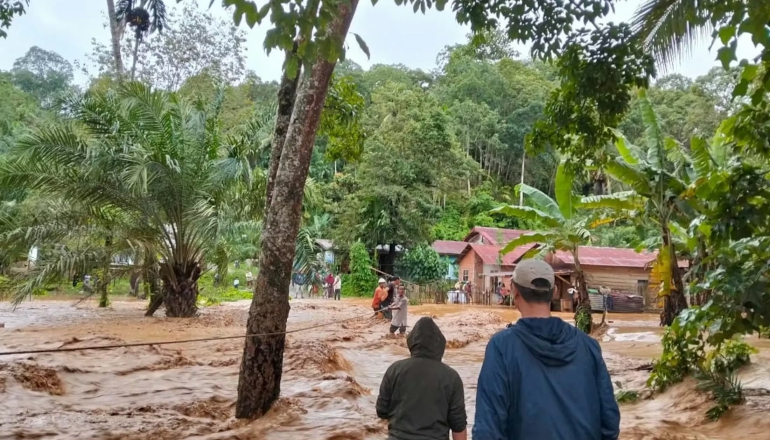
On 22 October 2024, severe Tropical Storm Trami made landfall on the Filipino island of Luzon – the country’s largest and populous island. The storm rapidly dumped one month’s worth of rain over parts of the island, with floods sweeping the country.