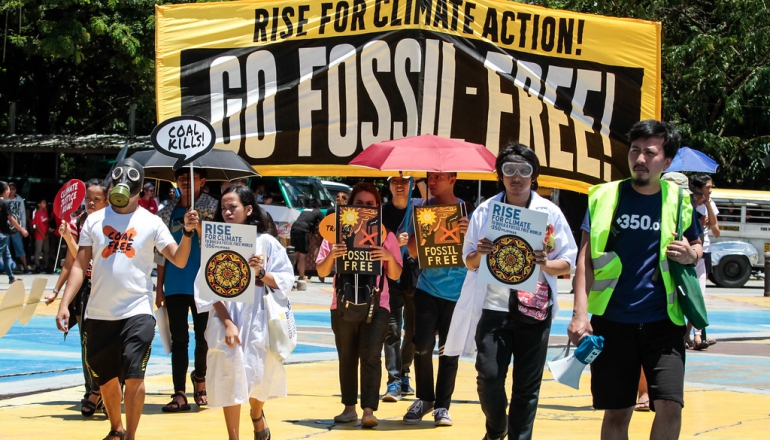
'A combination of policies that privilege coal, rapid economic growth, and business elites seeking profits above all else explain coal’s victory'
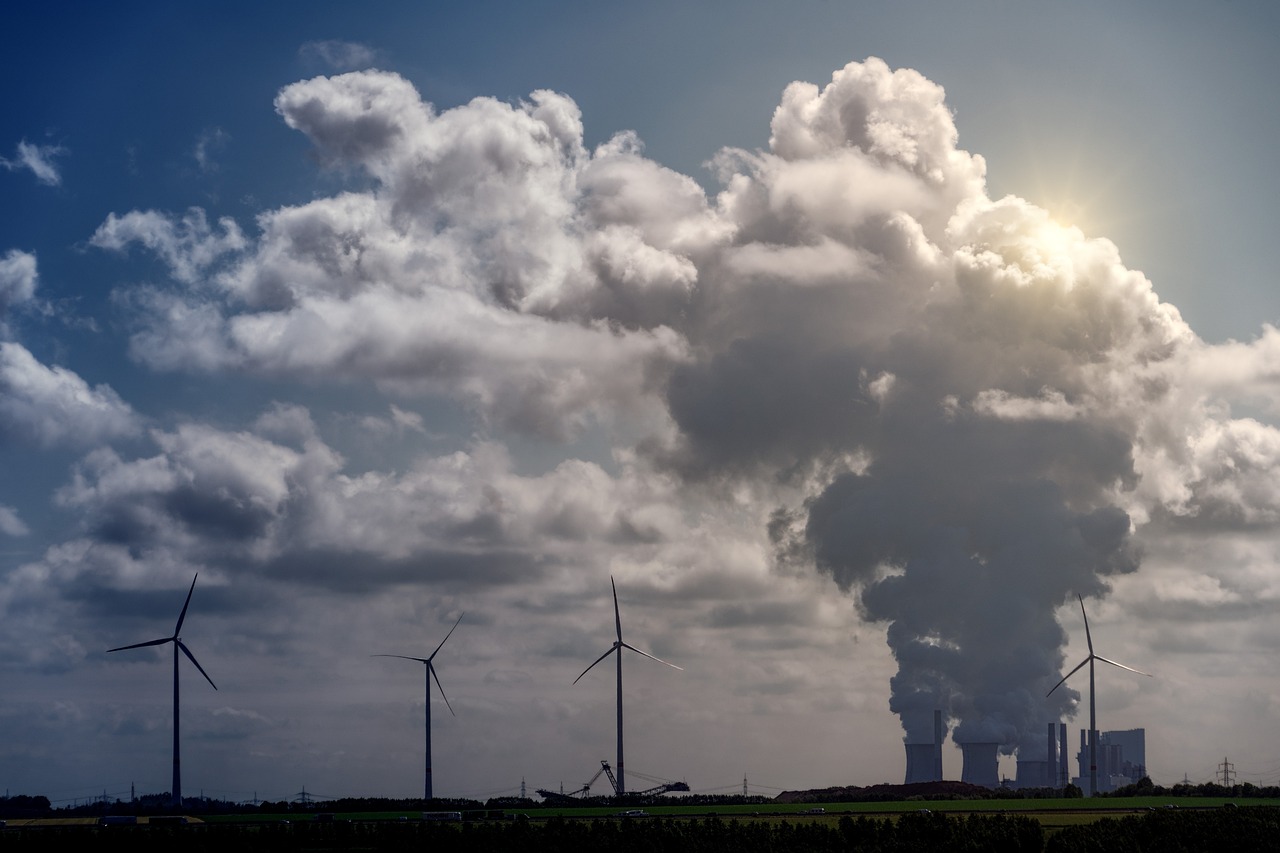
(Photo: Pixabay)
Why does the Philippines lag in generating renewable energy today when they were one of the leaders two decades ago?
In the early 2000s, the Philippines appeared to be one of the leaders of renewable energy in Southeast Asia. By 2005, renewable energy’s contribution to the Philippines’ energy mix was 32.5%, while coal was 25.2%. Fast forward 15 years and two Presidents later, the situation has apparently reversed. In 2020, renewable energy’s share was reduced to 29.2% while coal increased to 43.8%. Despite the rapid advancement of Philippine laws, such as the Biofuels Act of 2006, the Feed-in Tariff Renewable Energy Act of 2008, and the Philippine Energy Plan 2018-2040, coal has no doubt won the last 20 years.
Currently, there are 28 coal-fired power plants in the country with total installed capacity of 9.88 gigawatts. In November 2020, the Philippine government declared a moratorium on coal-fired power plants. However, this moratorium does not affect coal-fired powerplants that have been already approved by the government. Indeed, the Philippines has approved the construction of 22 more coal-fired power plants, projecting to increase coal’s contribution to the country’s energy mix to 53% by 2030.
A combination of policies that privilege coal, rapid economic growth, and business elites seeking profits above all else explain coal’s victory.
Coal strikes back: Duterte’s coal preference
Coal made significant progress during the Benigno Aquino III (2010-2016) administration. President Aquino was committed to increasing the generation of renewable energy. However, he also governed the first six years of rapid economic growth in the Philippines. Between 2010 and 2019, the Philippine economy grew at a rate of 6-7%. Between 2010 and 2020, the Philippine economy doubled in size, jumping from $204 to $404 billion. Philippine economic growth meant that pressure and opportunity to increase energy supply immense.
Coal made even greater strides during Rodrigo Duterte’s administration (2016-2022). President Aquino III signed the landmark 2015 Paris Agreement to reduce coal fired power plants in the country, but President Duterte reversed this, stating, “I did not sign it…my predecessor signed it…. [The Paris Agreement] will hamper the country’s industrialization agenda.” Duterte took an “energy-neutral stance,” setting aside carbon emissions reduction goals. This meant that while Duterte’s government allocated subsidies for renewable energy, his regime prioritized coal power plants.