.jpg)
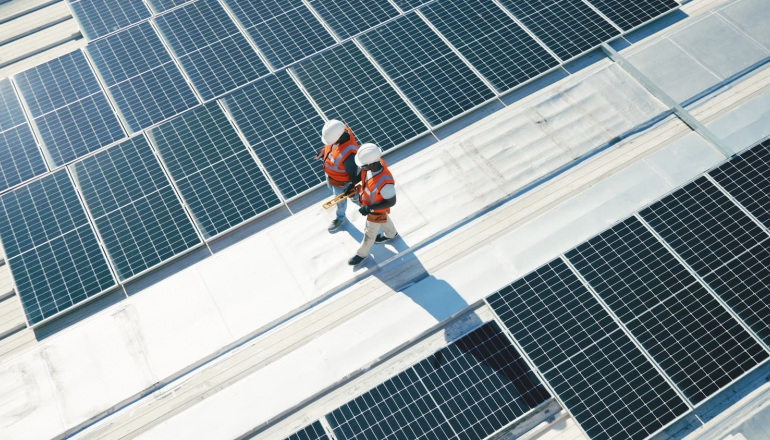
Philippines advances rural electrification, launching new microgrid framework alongside its largest private off-grid investment. (Photo: iStock)
The Philippines, an archipelago of 7,641 islands, is moving to close persistent electricity access gaps in remote communities, where fragmented geography limits centralized grid expansion. The government is rolling out a new microgrid regulatory framework alongside its largest-ever private rural electrification investment.
The Energy Regulatory Commission (ERC) said that the rules are expected to accelerate microgrid deployment using renewable and locally sourced energy, reducing diesel dependence and stabilizing electricity costs over time.
Unlock the full article to explore three key takeaways:
- The ERC’s new framework gives microgrid providers a path to recover investments while protecting consumers through subsidized rates and the missionary electrification surcharge, offering clearer terms for private capital entering remote markets.
- The Maharlika Consortium’s USD 35.7 million project will deploy 24 solar-battery microgrids across three provinces.
- Diesel dependence has created a recurring fiscal liability for the national system, with past fuel price shocks triggering prolonged brownouts across off-grid provinces — a vulnerability that renewable-based microgrids are designed to address.