(1).jpg)
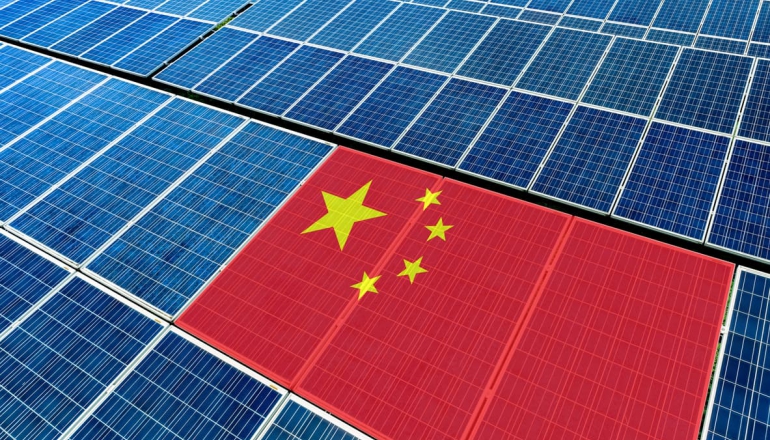
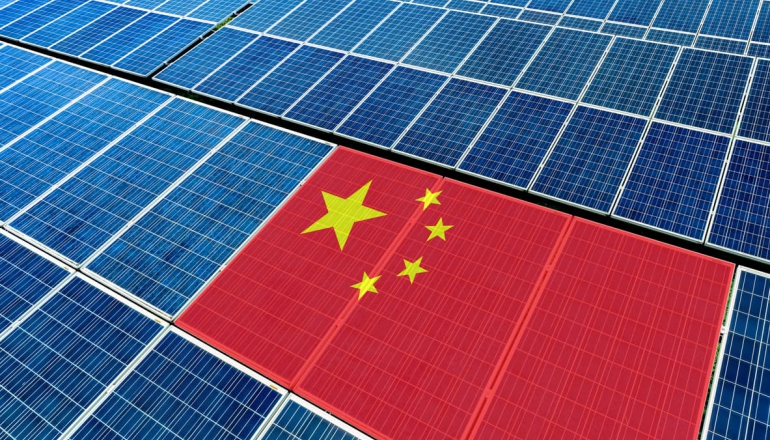
Southeast Asia is becoming an increasingly important growth market for Chinese solar suppliers. (Photo: iStock)
Huawei’s digital power business generated about USD 11 billion in revenue in 2025 as the company expanded beyond telecommunications into solar inverters, battery storage and digital energy systems.
Southeast Asia is becoming an increasingly important growth market. The Philippines emerged as China’s second-largest solar panel export destination in early 2026, while more than 80,000 Thai households have adopted Huawei’s residential solar systems. Across the region, Chinese suppliers including Huawei and Sungrow now dominate much of the inverter and storage equipment market.
Their expansion is lowering equipment costs and accelerating renewable deployment. As trade scrutiny intensifies in the U.S. and Europe, Southeast Asia and a concentrated group of Chinese manufacturers are becoming increasingly reliant on each other.
Unlock the full article to explore three key takeaways:
The Philippines became China’s second-largest solar panel export market in 2026, as rising electricity prices—not subsidy programs—accelerated household adoption.
Chinese inverter and storage suppliers, led by Huawei and Sungrow, already account for the majority of shipments into Vietnam, Thailand and other Southeast Asian markets.
Lower-cost Chinese equipment is improving project economics and shortening deployment timelines, but growing supply-chain concentration and trade scrutiny create new execution risks.