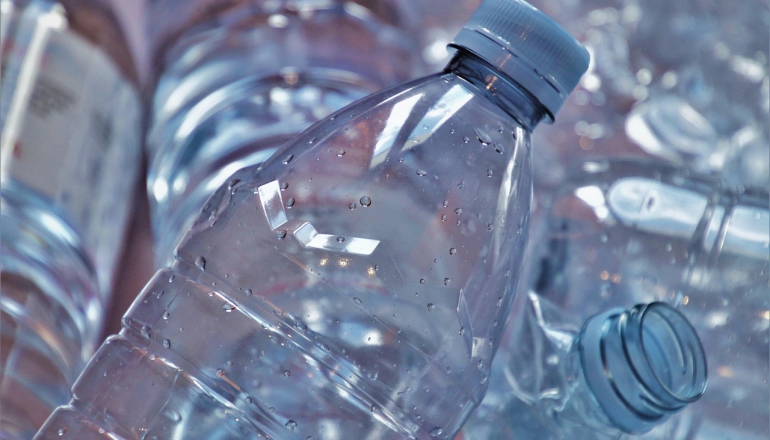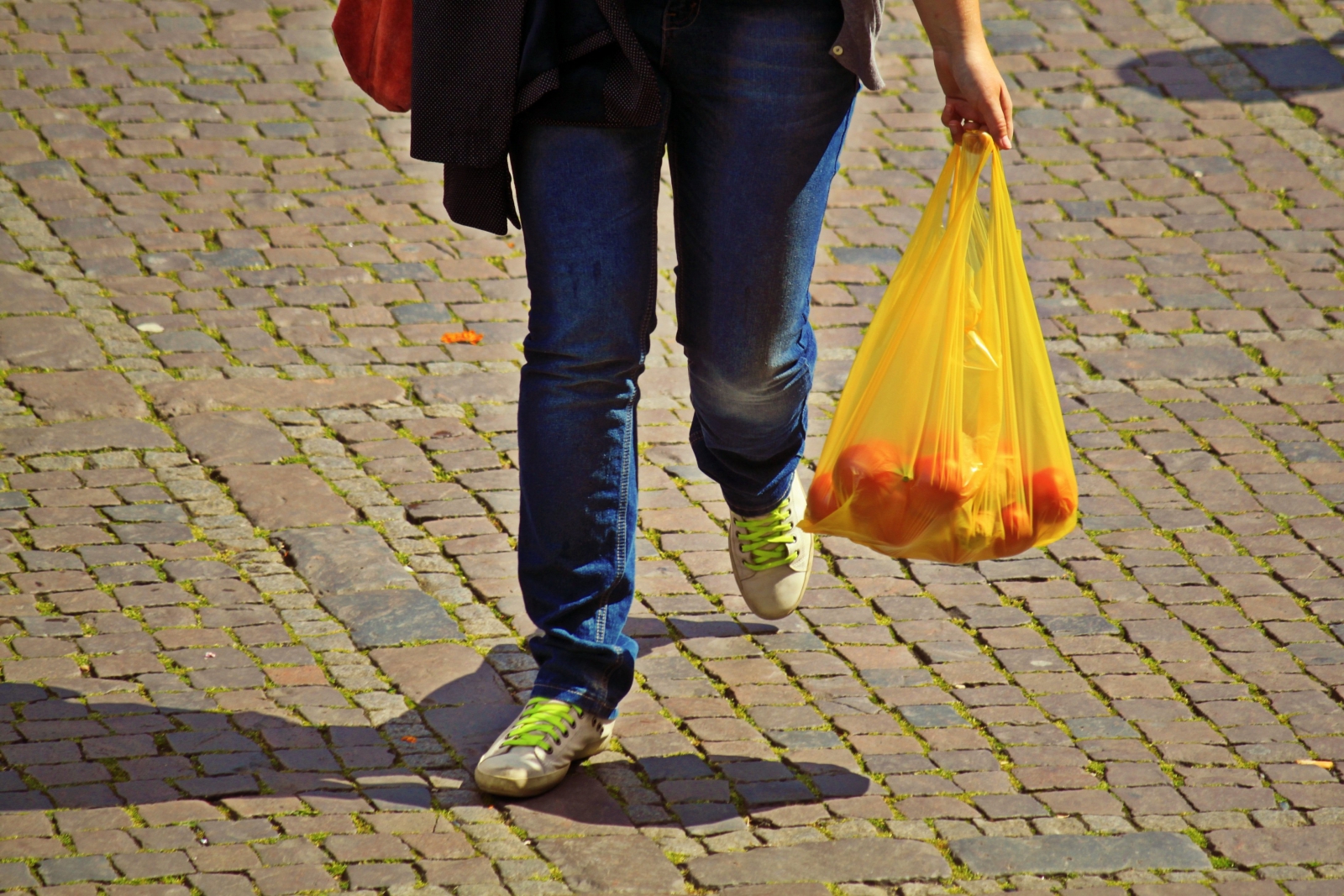
Taiwan’s circular economy supply chain is largely in place, but market mechanisms remain underdeveloped. (Photo: Pixabay)
The recent disruption in plastic supply triggered by conflict in the Middle East has exposed not only society’s deep reliance on single use plastics, but also the practical limits of long-standing reduction policies. Interviews conducted by RECCESSARY with environmental groups and industry stakeholders suggest that while Taiwan has largely built out its circular economy supply chain, progress is being held back by the lack of a functioning market mechanism.
Persistently low prices for virgin plastics have left businesses with little incentive to adopt recycled materials. Experts warn that without measures to curb the production and use of virgin plastics at the source, recycling and reuse systems will struggle to scale effectively.
Unlock the full article to explore three key takeaways:
- Nearly a quarter of Taiwan’s imported oil is used for plastics, reflecting heavy reliance on low value, single use products and exposing the sector to geopolitical risks.
- The biggest bottleneck in the circular economy lies in weak market incentives, as low virgin plastic prices discourage the use of recycled materials.
- Amendments to the Resource Circulation Promotion Act have been approved, introducing green design requirements, public procurement priorities and subsidies for circular industries.