.png)
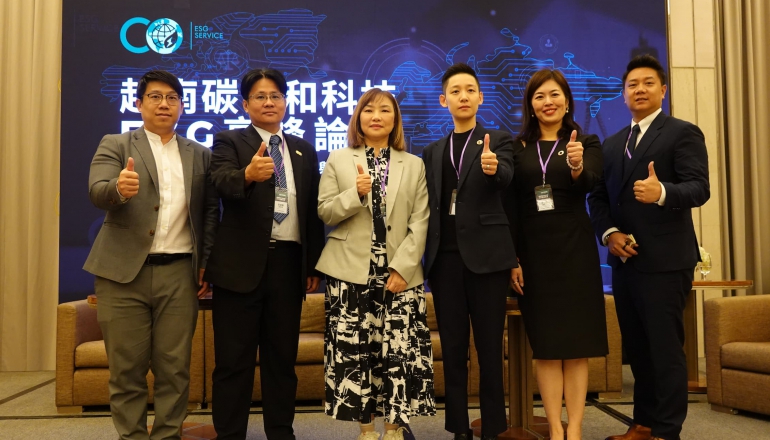
RECCESSARY held its first overseas seminar in Ho Chi Minh City, Vietnam, focusing on supply chain decarbonization. (Photo: Boyu Lin)
RECCESSARY, a media platform focused on carbon markets and new energy, held its first overseas seminar in Ho Chi Minh City, Vietnam, on June 12. The event aimed to help Taiwanese businesses navigate Vietnam’s low-carbon transition, covering decarbonization pathways, Direct Power Purchase Agreements (DPPA), the EU’s Carbon Border Adjustment Mechanism (CBAM), and energy storage developments.
Titled “From Compliance to Competitiveness: A 2026 Decarbonization Playbook for Taiwanese Businesses in Vietnam,” the seminar featured speakers including Wu Yi-min, Vice Chairman of the Taiwan Alliance for Net Zero Emission (ANZET); Chen Kuo-lung, Chief Sustainability Officer of AcBel Polytech; Fu Kuan-chin, Business Development Manager at Constant Energy; Colin Li, Vice President of Digital Energy at Huawei Southeast Asia; as well as RECCESSARY analysts Sherry Hu and Jessie Tsai, who shared first-hand insights into Vietnam’s evolving market.
Why investors are prioritizing low-carbon supply chains in Vietnam
In his opening remarks, RECCESSARY CEO Jason Huang noted that around 40% of the platform’s content focuses on ASEAN markets, with Vietnam chosen as the first stop for its overseas seminar series. While companies previously relocated to Vietnam primarily for tariff advantages and lower labor costs, the focus has now shifted toward leveraging renewable energy to meet supply chain carbon neutrality requirements.
Wu Yi-min highlighted Vietnam’s strong economic momentum, with GDP growth reaching 8.02% last year and targeting double-digit expansion this year, supported by substantial foreign direct investment inflows.
However, he emphasized that global supply chain rules are rapidly evolving. Decarbonization is no longer a branding tool but a matter of corporate survival. Major international brands such as Apple, Microsoft, and Google are tightening requirements on renewable energy usage and emissions reduction across their supply chains. Companies failing to align with these expectations risk losing orders. At the same time, tightening environmental regulations in Vietnam are making local compliance unavoidable.
As major corporations including Samsung begin to participate, DPPA has become a key mechanism for marketizing green electricity in Vietnam. Jessie Tsai pointed out that uncertainties surrounding wheeling charges, spot market pricing, and unclear calculation formulas make it difficult for companies to assess risks and returns.
Breaking down DPPA challenges: five strategic considerations
Drawing on data from California’s power market, Tsai modeled potential solar pricing trends in the Vietnam Wholesale Electricity Market (VWEM) and developed a financial framework for DPPA adoption. She outlined five key considerations for companies: 30-minute load profiles, supply-demand matching, contract structures, solar price deviation, and scenario-based stress testing.
Fu Kuan-chin also discussed DPPA implementation timelines, noting that a typical 10 MWp project may take six to seven months from design to power delivery. Around one month is required from bid award notification to project design completion, with the remaining time allocated to contract signing and construction.
Chen Kuo-lung, speaking on “Decarbonization Pathways of Global Brands,” stressed that emissions reduction must extend across the entire value chain. Citing Boston Consulting Group data, he noted that over 50% of decarbonization measures in the electronics and automotive sectors cost less than $12 per ton, including circular economy practices, improved material efficiency, and renewable energy adoption.
He argued that companies should turn decarbonization costs into competitive advantages in securing orders, as ESG requirements have shifted from optional to essential. Without energy efficiency and renewable energy integration, companies will struggle to win international contracts.
He proposed four strategic actions: monetizing carbon assets to create low-carbon premiums, becoming strategic partners in reducing Scope 3 emissions, mitigating future CBAM-related carbon tax risks, and achieving economies of scale in green energy investments to secure preferred supplier status.

Chen Kuo-lung, Chief Sustainability Officer of AcBel Polytech, shared insights into global brands’ decarbonization pathways. (Photo: Boyu Lin)
CBAM reshapes supply chains as carbon costs rise
Sherry Hu focused on the impact of CBAM on Vietnam’s industries. She noted that Vietnam’s exports of CBAM-covered products to the EU are 5.2 times those of Thailand. Using the steel and textile sectors as examples, she illustrated both the financial implications of CBAM and mounting decarbonization pressure from global brands such as Nike.
Hu argued that CBAM is not merely a cost issue but a structural force reshaping global supply chains and determining market influence. Countries like Vietnam, which have traditionally relied on low labor costs, may see their competitiveness eroded due to higher carbon intensity, potentially leading to order losses.
She outlined five recommended actions for companies: identifying CBAM-covered exports, conducting third-party carbon accounting (e.g., ISO 14067, GHG Protocol), assessing renewable energy procurement options, estimating CBAM financial impacts for 2026–2030, and strengthening corporate governance structures such as ESG committees.
From a technology provider perspective, Colin Li highlighted that global energy crises are accelerating the transition. Vietnam’s renewable energy penetration has reached 30%, and the next phase will move from standalone solar to integrated “solar-plus-storage” systems.
He emphasized that energy storage is not only about cost savings but also a prerequisite for entering low-carbon markets. Companies should choose partners with strong long-term maintenance capabilities and local service experience to manage investment cycles lasting 15 to 20 years.
In closing, experts encouraged companies targeting Vietnam to take action. “Just do it,” they said unanimously. While regulatory changes remain rapid and complex, they also signal emerging opportunities. Rather than viewing green electricity as a burden, businesses should treat it as a strategic tool to enhance resilience and secure future competitiveness.
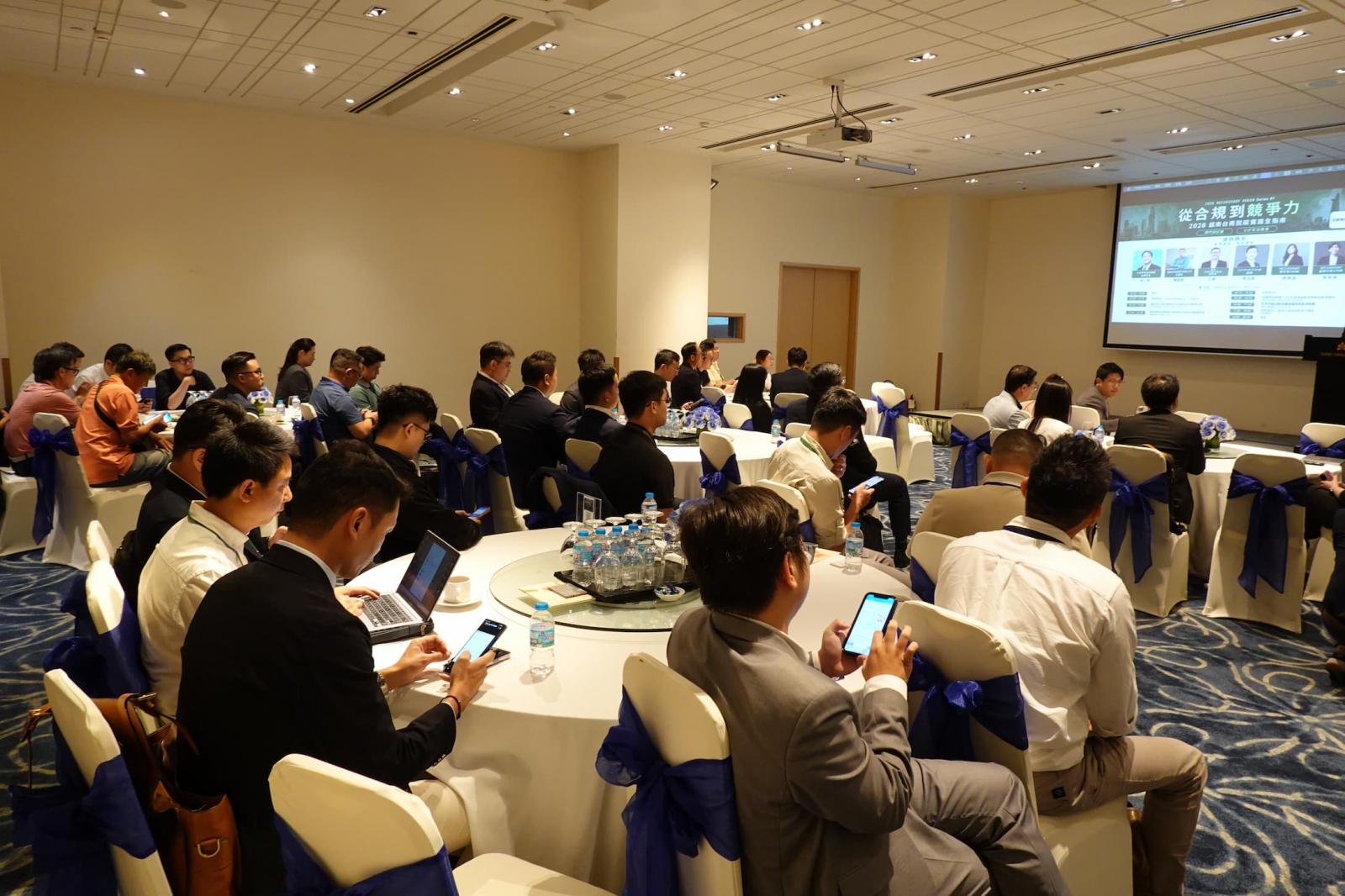
RECCESSARY’s first in-person overseas seminar attracted strong participation from local Vietnamese companies. (Photo: Boyu Lin)