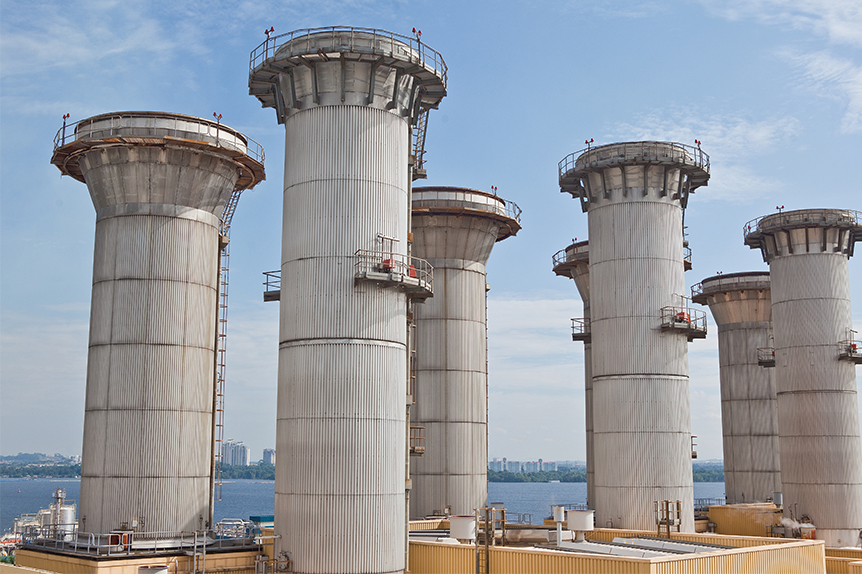
Senoko Power Station in Singapore. (Photo: Wikimedia Commons)
Six years ago, Singapore fully opened its national electricity market, concluding a reform process that began in the 1990s, making it the first in Asia to do so. Today, residents and businesses can choose from various subscription plans offered by a few competing retailers to access cheaper and cleaner power.
Recently, regulators have indicated a need for increased state control, even as they continue to welcome private utility companies. The Energy Market Authority (EMA) announced last week its intention to regulate access sharing for critical infrastructure and review plans when owners of significant power assets intend to repurpose their properties.
Singapore prepares for energy crisis
Additionally, the EMA seeks the authority to implement emergency power rationing and collect fees for new market development and decarbonization initiatives. Part of Singapore’s strategy to centralize fuel procurement involves setting minimum natural gas contracting obligations for power generators to ensure adequate stocks. Public feedback on these proposals is invited until early June.