.jpg)
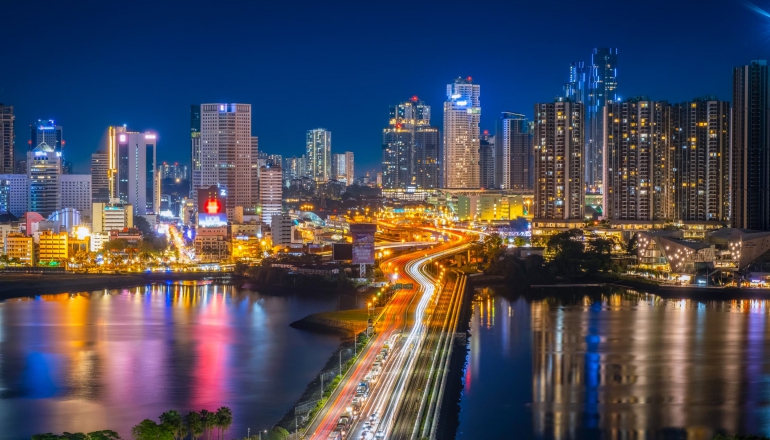
Singapore is increasingly relying on imported electricity and emerging low-carbon technologies to decarbonize its power system, but the conditions needed to support that transition remain uncertain. (Photo: Pixabay)
Singapore’s long-term decarbonization plans increasingly depend on imported electricity and a suite of emerging low-carbon technologies. But according to Aurora Energy Research, many of the commercial, regulatory, and technical conditions needed to support that transition are still evolving.
During a June 24 webinar on Singapore’s power market outlook, Aurora analysts pointed to several uncertainties that could shape the pace and economics of the country’s transition, including prolonged gas market disruptions, financing challenges for import projects, and questions around the commercial readiness of alternative power technologies.
Unlock the full article to explore three key takeaways:
- Aurora Energy Research expects Singapore gas prices to remain elevated in the near to medium term as the city-state becomes increasingly reliant on LNG and more exposed to global market volatility.
- Aurora said many of the low-carbon technologies underpinning Singapore's future data center growth remain commercially immature, creating uncertainty around long-term power system planning.
- Large-scale electricity imports from Indonesia still face unresolved questions around project economics, export licensing, and long-term offtake, while regional REC trading could significantly reshape Singapore's voluntary certificate market.