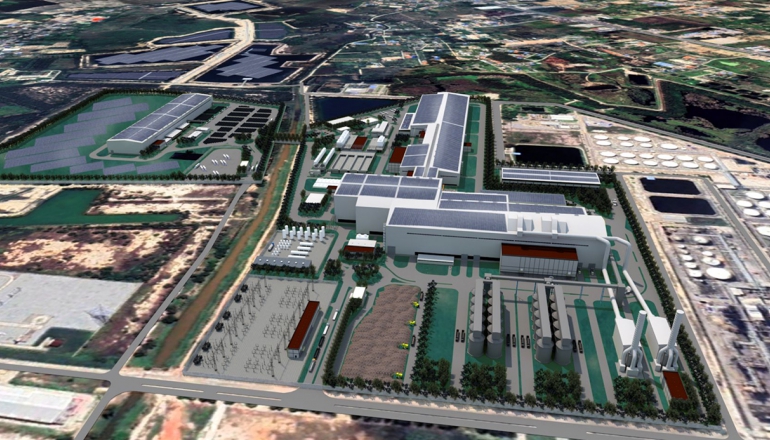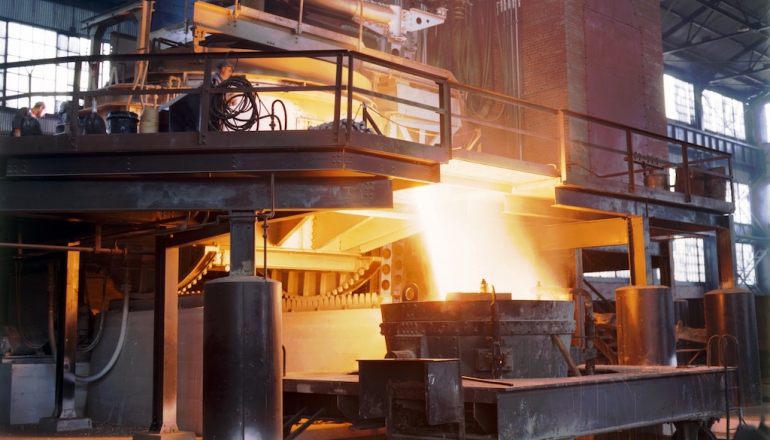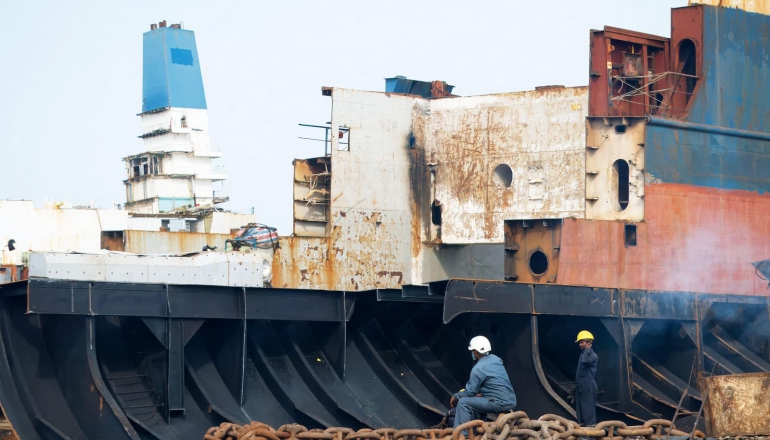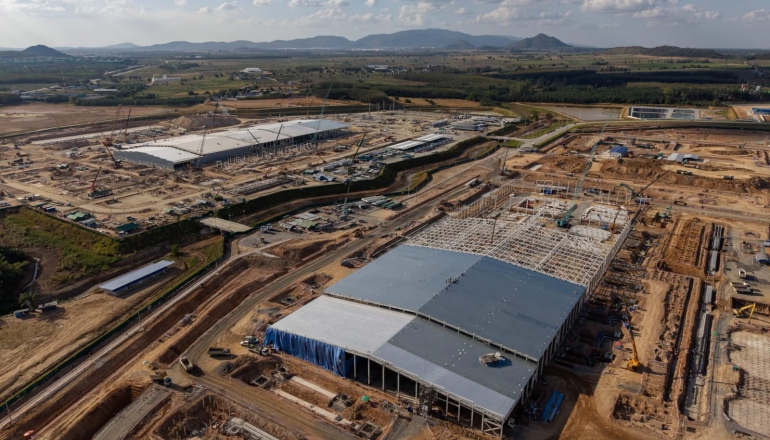
Demand for low-carbon steel is growing among data center developers, but Southeast Asia's supply remains limited. (Photo: Stegra)
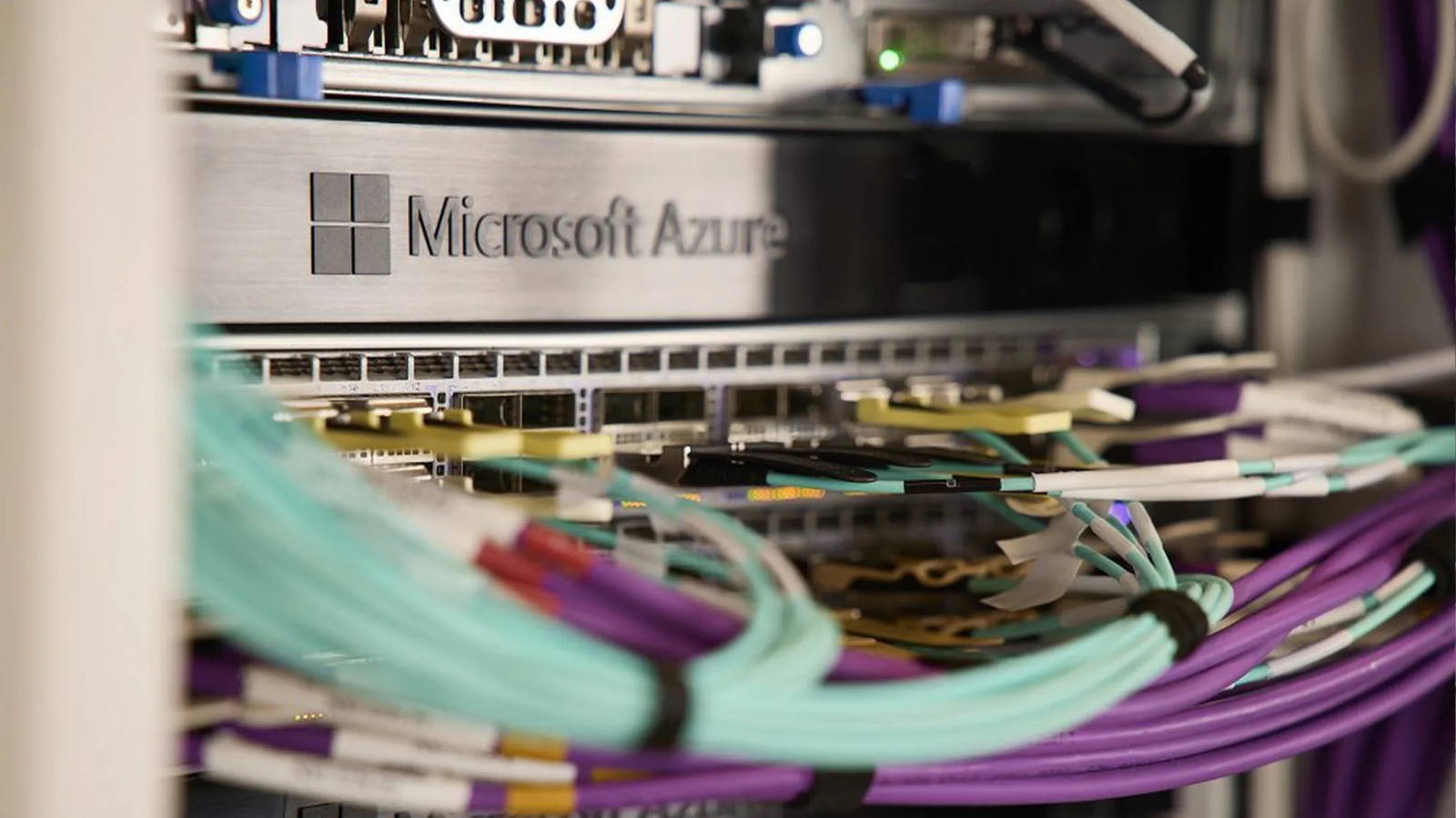
A hyperscale data center can consume as much as 20,000 metric tons of steel during construction. As Southeast Asia races to build the infrastructure needed for AI and cloud computing, that figure is turning an often-overlooked construction material into a growing sustainability concern.
Steel underpins nearly every aspect of a data center build, from structural frames and raised floors to the systems needed to support increasingly dense computing equipment. Yet it is also one of the most carbon-intensive materials used in modern construction. Conventional blast furnace production emits roughly 2.3 metric tons of CO₂ for every metric ton of steel produced.
While demand for low-carbon construction materials is growing, Southeast Asia’s supply remains limited. The region’s first planned producer of verified low-carbon flat steel, Meranti Green Steel, is targeting commercial production in Thailand by 2030.
“We see this as a transition phase where demand for low-carbon steel is running ahead of local large-scale flat steel supply. It’s created a gap, but it’s not a void,” Jason Ang, Director of Sustainability at Meranti Green Steel, told RECCESSARY.
Unlock the full article to explore three key takeaways:
- Demand for low-carbon steel is arriving before local supply, creating an opportunity for new producers targeting the region's data center boom.
- Developers increasingly want proof, not promises. Verified carbon data and EPDs are becoming as important as the steel itself.
- Low-carbon steel is moving into the mainstream, driven by carbon border taxes, financing requirements, and corporate climate commitments.