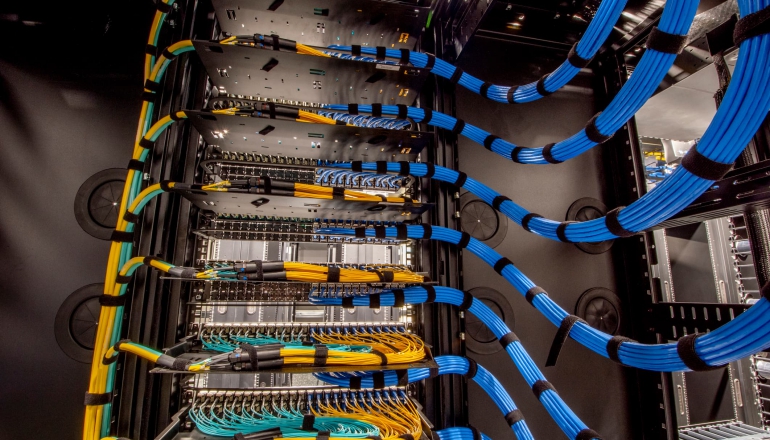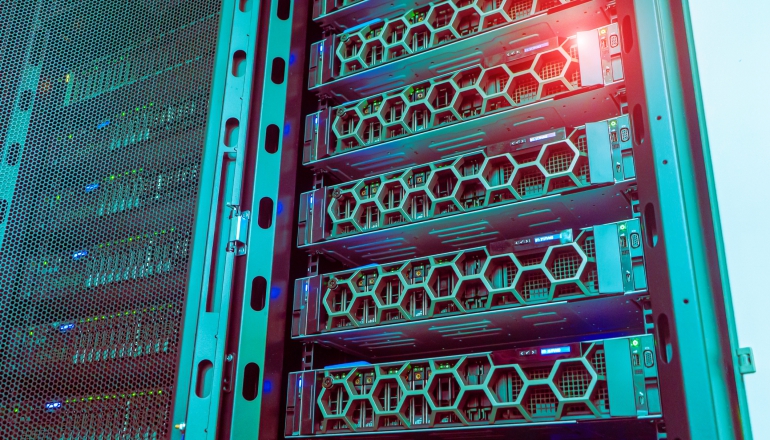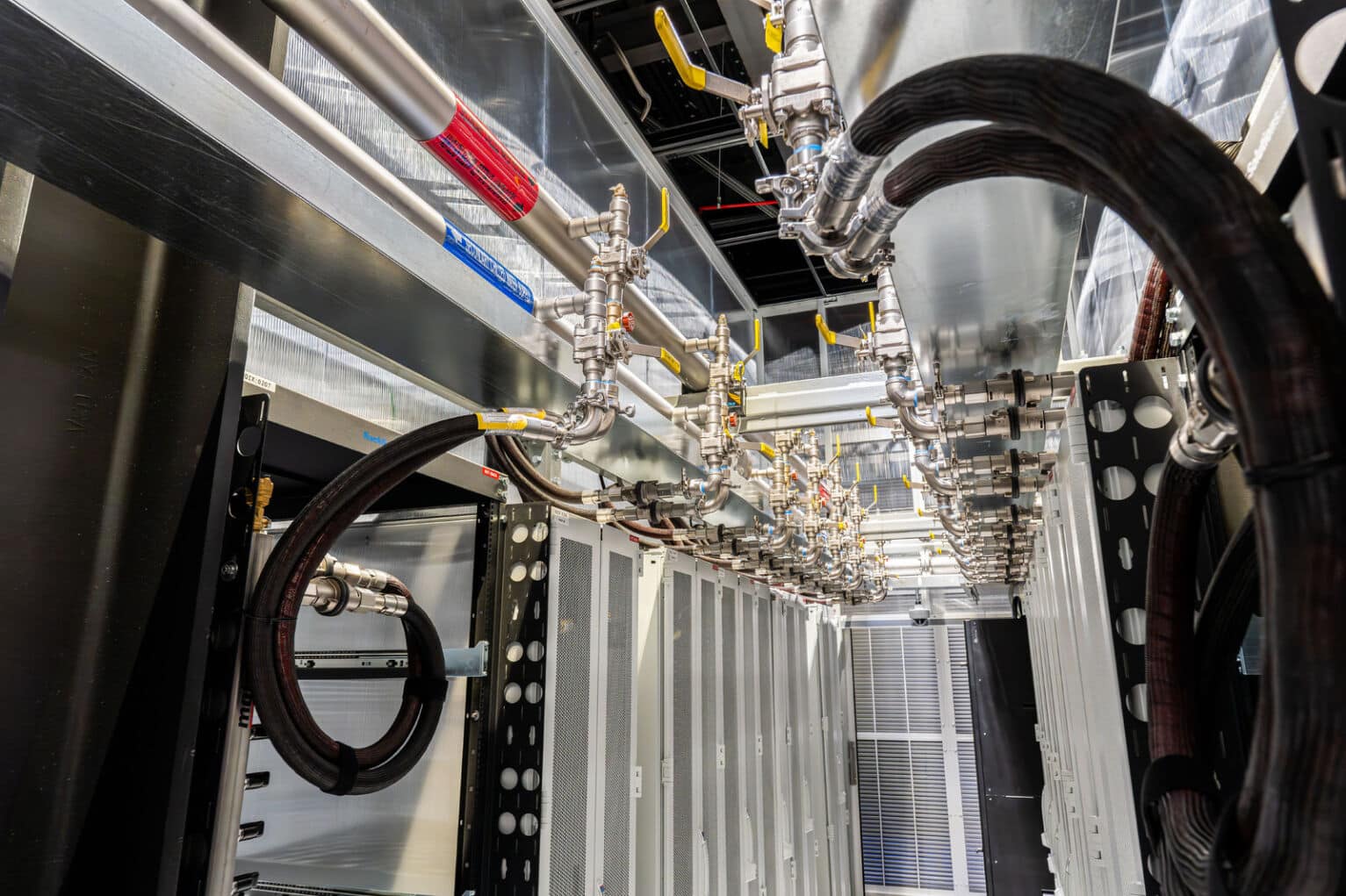
The cooling system selected during design can influence a data center's long-term water and energy performance. (Photo: Equinix)
New generations of AI servers consume far more power per rack than conventional cloud infrastructure, pushing the industry toward liquid cooling systems that can remove heat more efficiently than air alone. For operators building new facilities across Southeast Asia, liquid cooling is rapidly becoming an expected feature of AI-ready campuses.
The shift matters because cooling choices made during the design phase can determine a facility’s water and energy profile for decades. The Sustainable Digital Infrastructure Accord (SDIA) has set a regional Water Usage Effectiveness (WUE) target of 1.8 to 2.0 liters per kilowatt-hour by 2030, but achieving that benchmark depends on decisions that are largely locked in before a data center opens. In tropical Southeast Asia, the challenge is further complicated by high humidity, high temperatures, and growing pressure on water resources.
“The most common mistake is selecting a cooling system based on first cost or headline power usage effectiveness (PUE) without understanding the long-term consequences for water use, retrofit flexibility and AI readiness,” Poh Seng Lee, executive director of NUS’s Energy Studies Institute, program director of the Singapore Thermal Data Centre Testbed, told RECCESSARY. “The second common mistake is treating tropical cooling as a slightly warmer version of temperate cooling. It is not.”
Unlock the full article to explore three key takeaways:
- AI is accelerating the shift to liquid cooling, but a data center's long-term water footprint is often determined before it opens through cooling and water sourcing decisions.
- Identical WUE scores can mask very different freshwater impacts, highlighting the limits of current water-efficiency metrics.
- Water is becoming a site selection factor, with regulators and operators increasingly treating it as a strategic resource rather than a background utility.