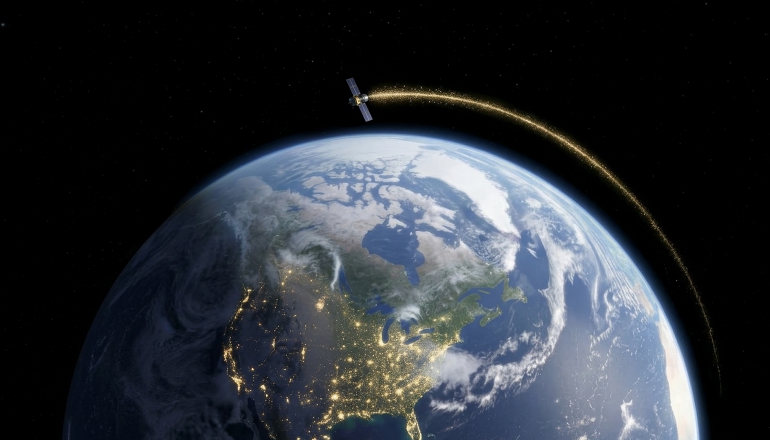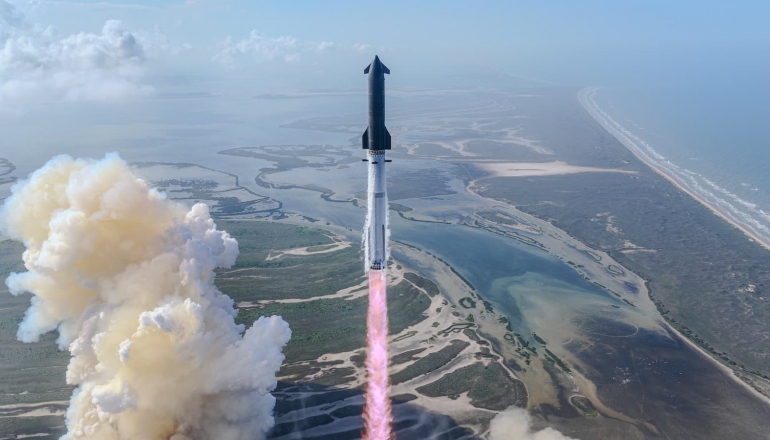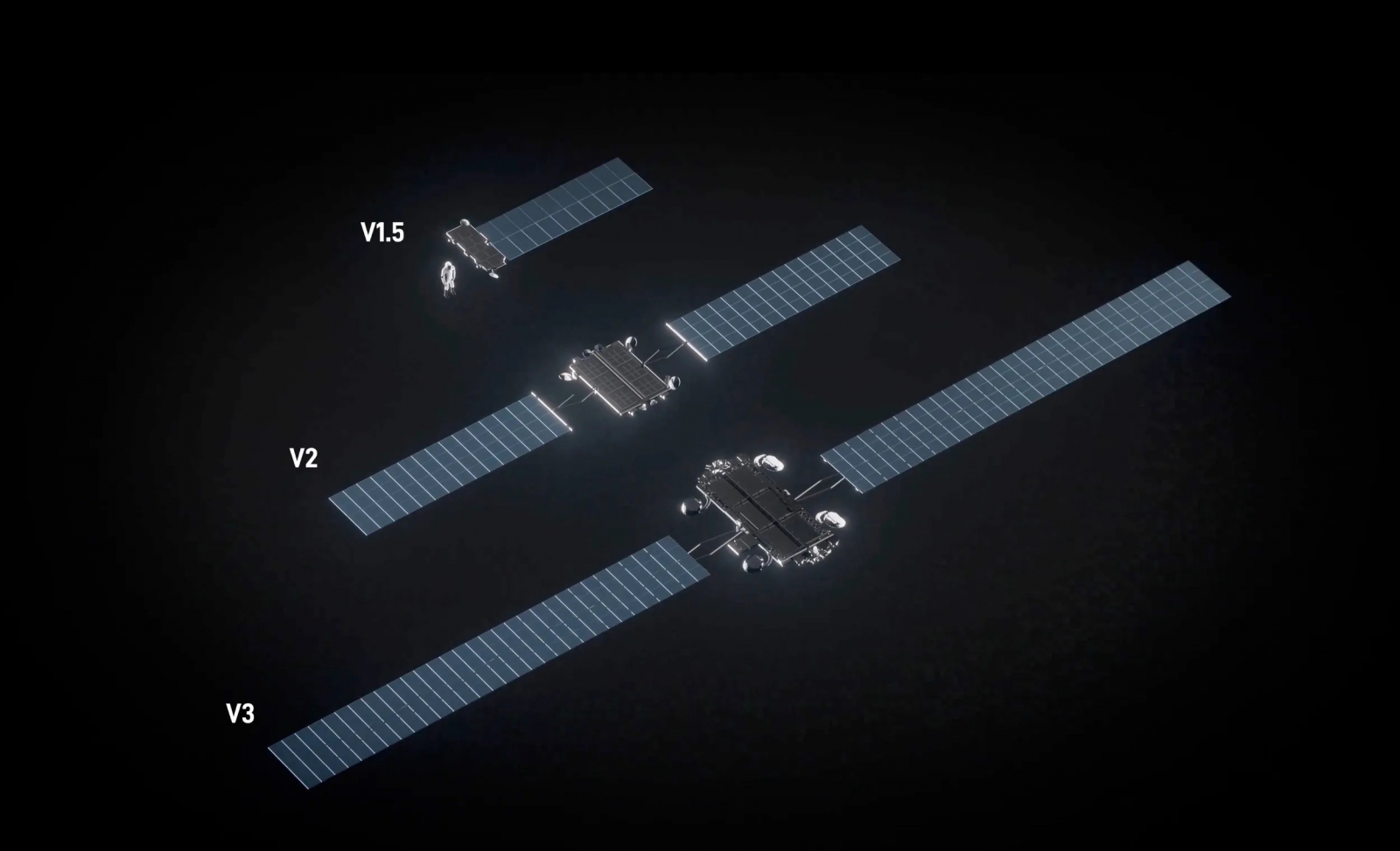
SpaceX is set to go public this week as it pursues plans for orbital AI computing infrastructure. (Photo: SpaceX)
SpaceX is set to go public this week in what could become the largest IPO in history, seeking to raise USD 75 billion at a valuation of roughly USD 1.77 trillion.
Investors are expected to focus on Starlink, the satellite internet business that generated more than USD 4 billion in operating profit last year. But one of the most ambitious elements of the company’s growth story lies in a plan to build AI computing infrastructure in Earth orbit.
In a presentation released on June 8, Elon Musk unveiled AI1, SpaceX’s first orbital compute satellite. Powered by solar energy and cooled by radiators operating in the vacuum of space, the system is designed to perform artificial intelligence workloads without relying on terrestrial power grids.
The proposal arrives as electricity is becoming one of the most significant constraints on AI infrastructure growth. Globally, data center developers are encountering delays tied to grid connections, while technology companies are pursuing an expanding range of solutions, from nuclear power agreements and long-duration energy storage to entirely new approaches for generating and accessing energy.
SpaceX’s answer is moving data centers into space. The concept remains years away from commercial deployment and faces substantial engineering and economic hurdles, raising a question investors will need to evaluate as the IPO begins trading: Can orbital computing become a viable alternative to Earth-based AI infrastructure?
Unlock the full article to explore three key takeaways:
- SpaceX is betting orbital computing can bypass AI's growing power constraints. Solar-powered satellites are being positioned as an alternative to increasingly strained terrestrial grids.
- Scaling remains the biggest challenge. Running AI workloads in orbit may be feasible, but deploying enough satellites, chips, and launch capacity to compete with data centers remains unproven.
- The search for AI energy solutions is expanding beyond Earth. Meta, Blue Origin, and others are exploring space-based energy and computing as future power demand accelerates.