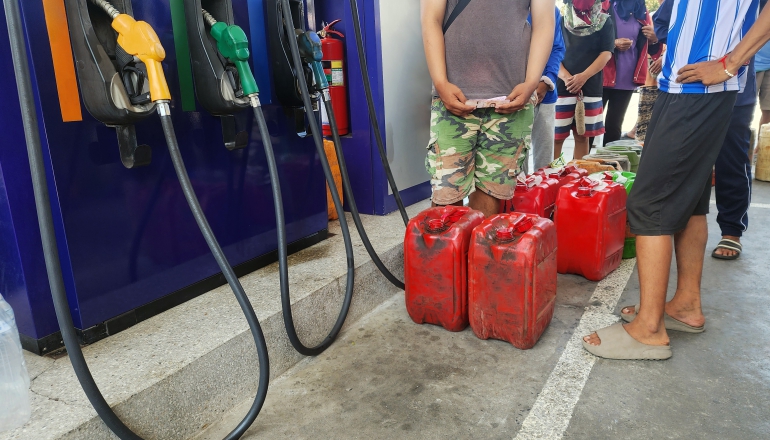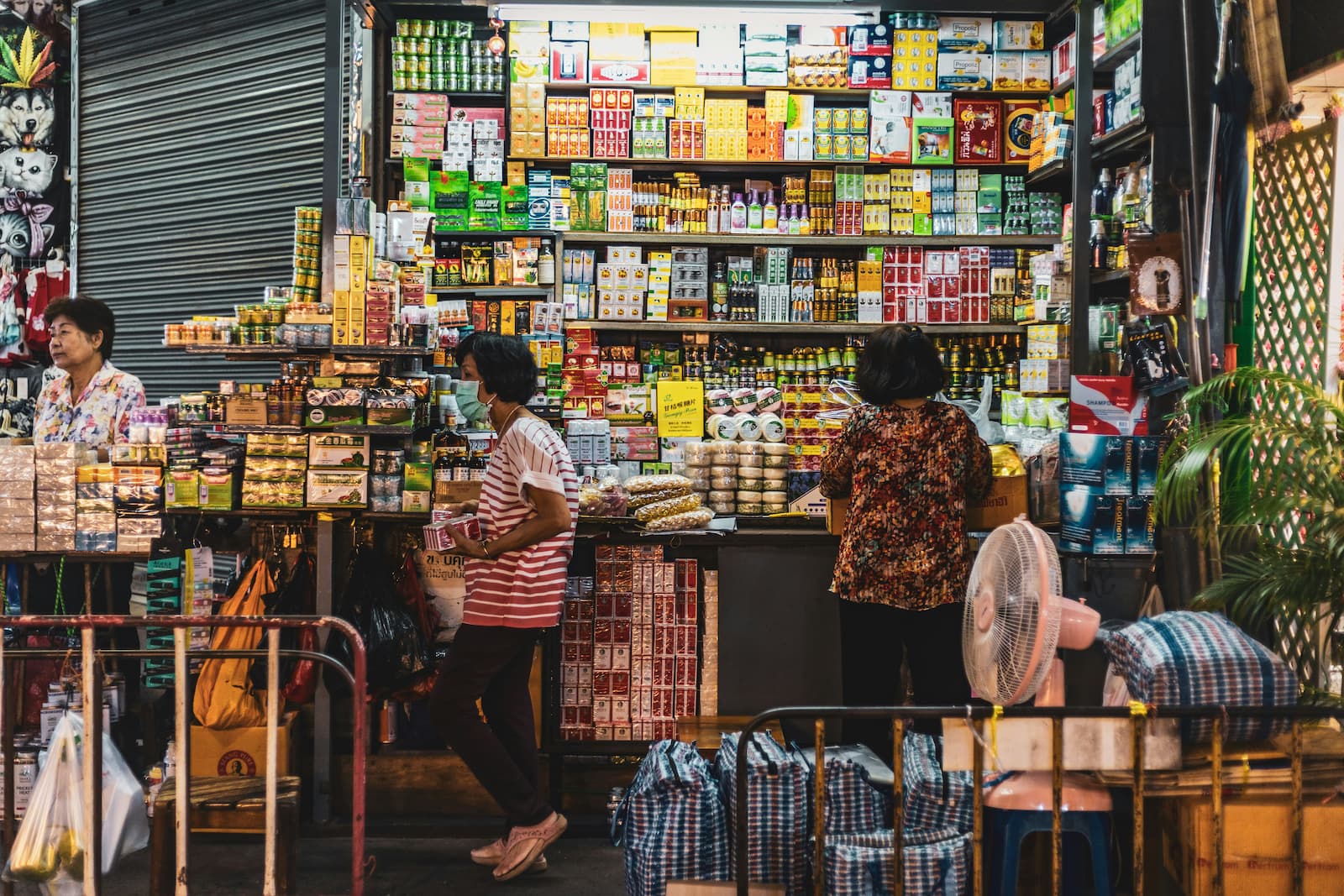
Thai food manufacturers pledge not to raise prices, but the fuel crisis is prompting Thai companies to rethink long-term energy strategies. (Photo: Unsplash)
As fuel and electricity prices climb, businesses across Thailand are reassessing their energy strategies, stepping up investments in rooftop solar, electrifying transport fleets, and improving energy efficiency. Interest is also growing in advanced nuclear technologies, electric vehicles, and energy storage solutions.
In the near term, major consumer goods producers—including instant noodle giant Thai President Foods and Coca-Cola bottler Haad Thip—have pledged to absorb rising costs rather than pass them on to consumers, aiming to avoid further weakening already soft demand.
Unlock the full article to explore three key takeaways:
- Major Thai consumer brands—including Thai President Foods and Haad Thip—are absorbing rising fuel costs.
- Thai Union Group has reached 59% renewable energy share and targets a 42% emissions cut by 2030.
- 2026 Power Development Plan (PDP) is seen as a critical turning point for the country's clean energy transition.