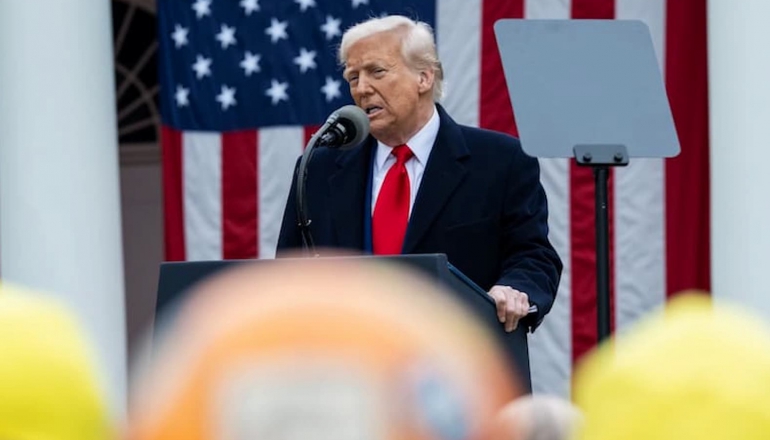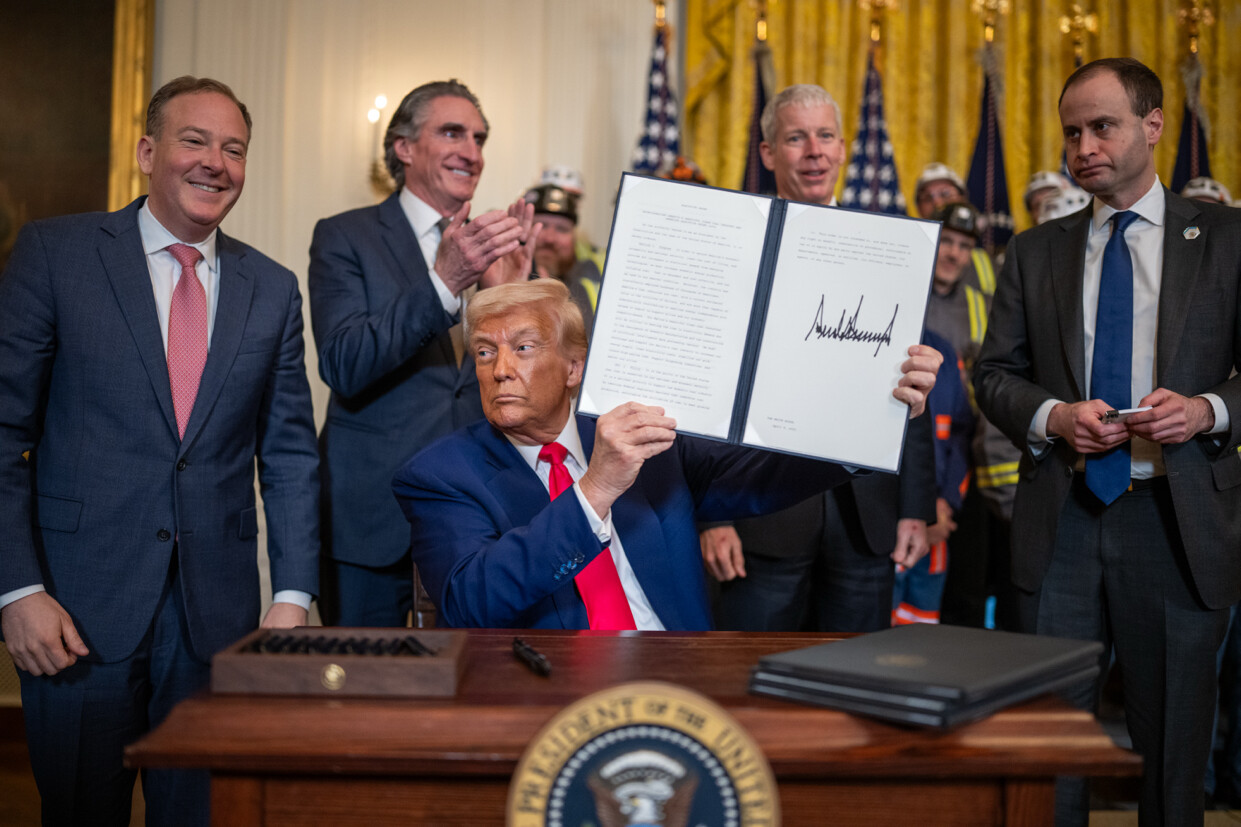
U.S. President Donald Trump signs an executive order pledging to boost the U.S. clean coal industry. (Photo: Trump’s social media platform)
As U.S. President Donald Trump marked his first 100 days back in office on April 30, he had already signed more than 100 executive orders—aggressively dismantling his predecessor’s policies and unleashing a tariff shockwave that rattled global trade markets. His dismissive stance on climate change has also fueled a brewing backlash against ESG initiatives.
In our special series, "Trump’s First 100 Days," RECCESSARY explores the far-reaching impact of Trump’s tariff agenda, climate policies, and corporate strategies, offering an in-depth look at how the renewable energy sector is bracing for disruption.
Clean energy takes a hit as tariffs drive up fossil fuel costs
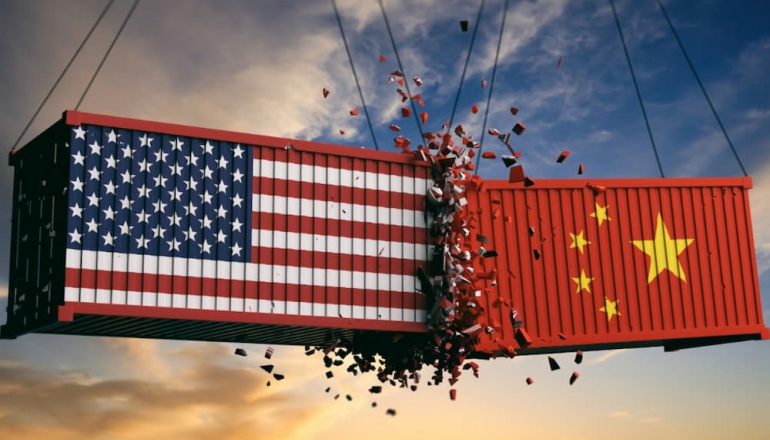
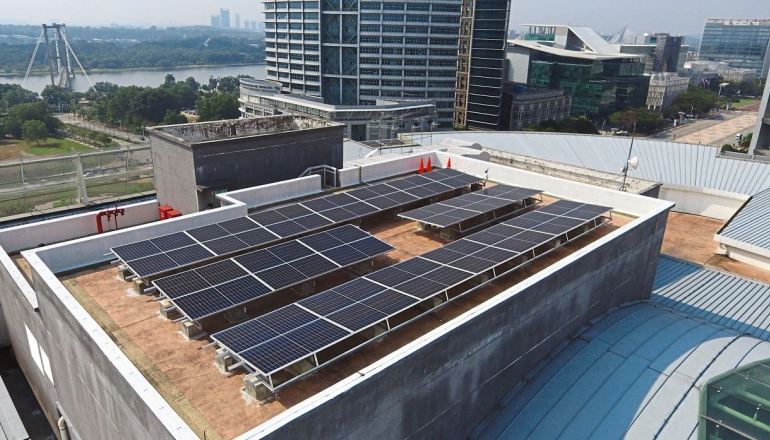
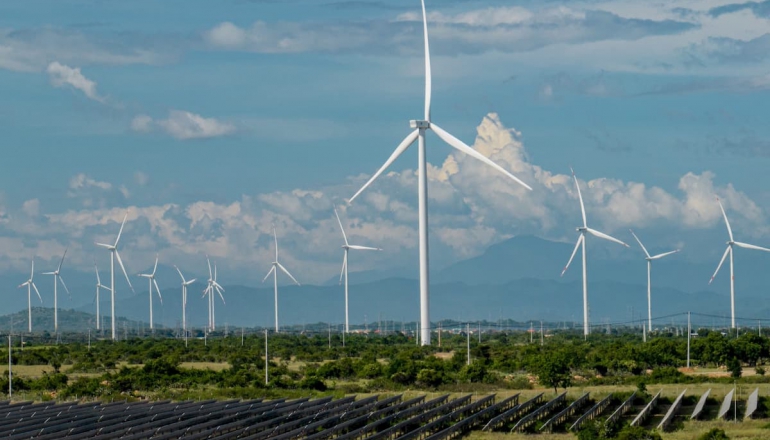
Trump’s “reciprocal tariffs” have jolted global markets, putting the clean energy sector under growing strain. As supply chains struggle to adapt overnight, industries like battery production, electric vehicles (EVs), and solar energy are expected to be hit hardest—particularly in ASEAN countries now navigating a critical phase of energy transition.
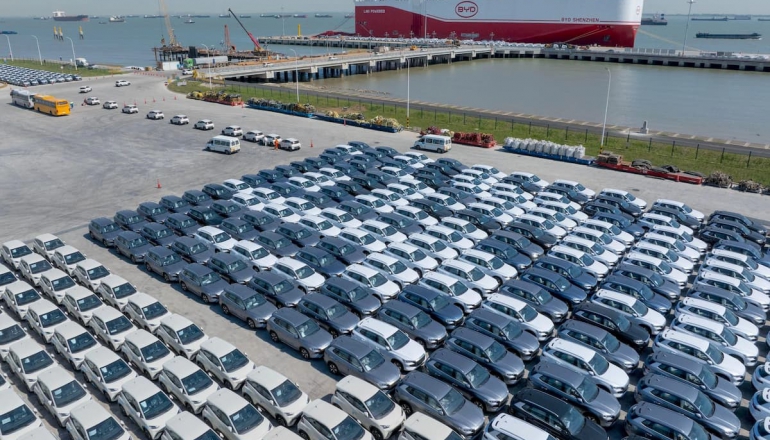
According to Time magazine, many components essential to U.S. clean energy industries—such as critical minerals and semiconductors for EVs—depend heavily on imports. The newly imposed tariffs are poised to drive up costs across the sector.
The U.S. Energy Information Administration (EIA) projects an 18.2 GW increase in utility-scale storage demand by 2025, setting new records. Yet with most lithium batteries sourced from China, tariffs are expected to further inflate costs for American firms.
Bentley Allan, Associate Professor at Johns Hopkins University and Co-Director of the Net Zero Industrial Policy Lab, warns that developing a fully domestic battery or solar supply chain will take years of building expertise. Higher tariffs, he cautioned, may backfire by stoking fear across the market.