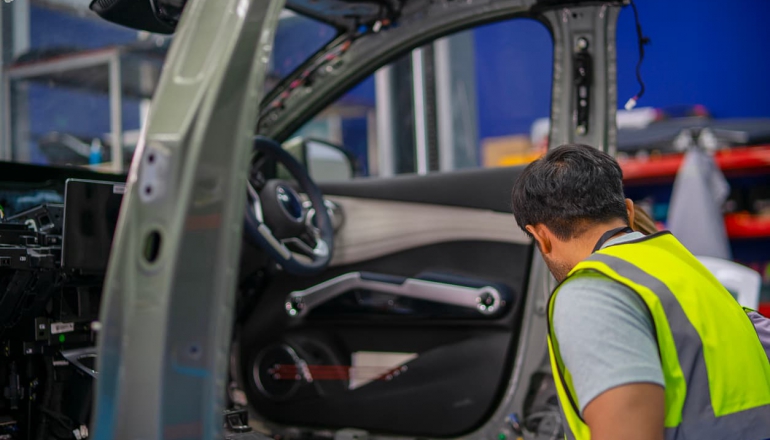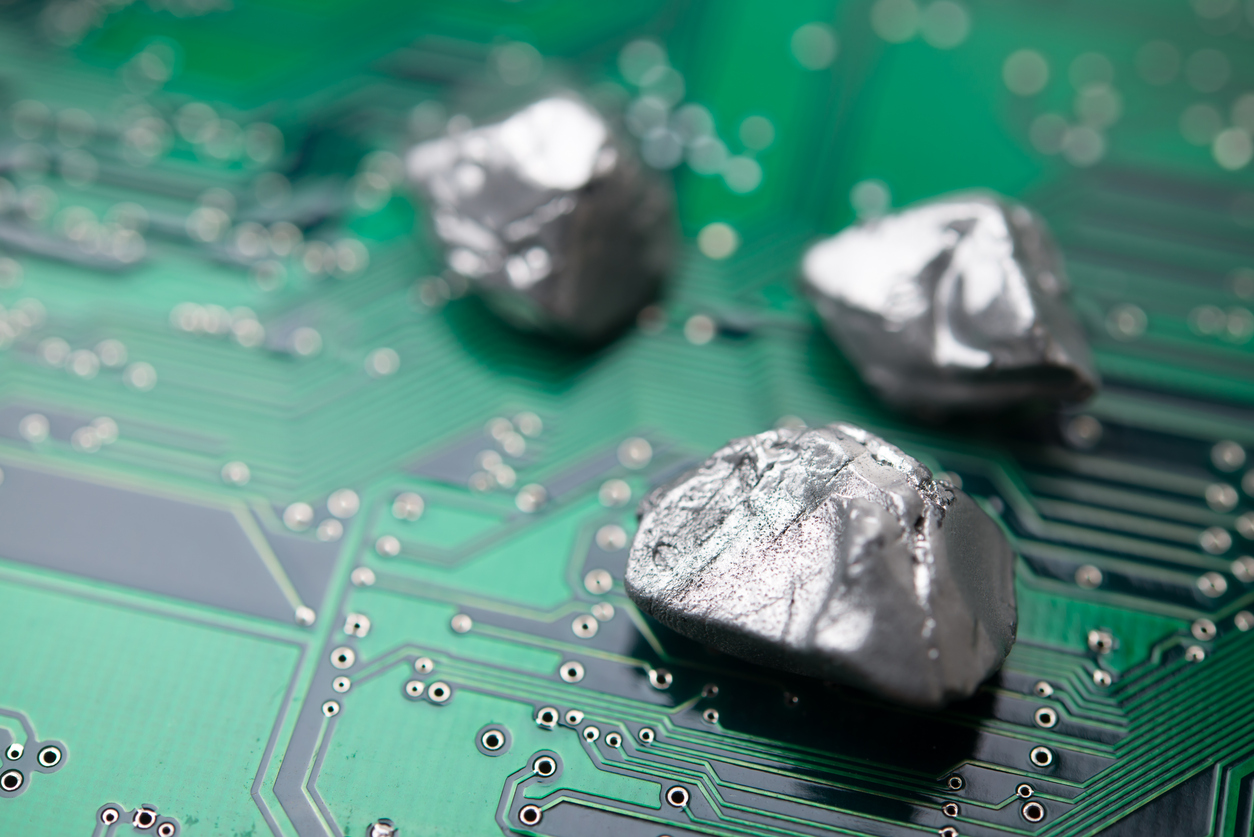
Rare earths are essential materials used in the production of fighter jets, smartphones, and electric vehicles. (Photo: iStock)
U.S. President Donald Trump is on a state visit to China, where he is set to hold a bilateral summit with Chinese President Xi Jinping.
Market observers expect rare earth export restrictions to be among the key agenda items. With China dominating global rare earth supply, concerns extend beyond the United States, as Japanese firms are also accelerating efforts to secure alternative sources.
Why is Sojitz targeting Southeast Asia?
Japanese trading house Sojitz said recently that it is considering expanding investments into Southeast Asia and neighboring countries to boost rare earth output. The move follows its earlier decision to increase imports from Australia and reflects a broader push to diversify supply and reduce reliance on Chinese minerals.
Unlock the full article to explore three key takeaways:
- Sojitz CFO Makoto Shibuya confirmed the company is evaluating Laos, Cambodia and Vietnam as potential rare earth investment targets.
- Sojitz signed an MOU with Australia's Lynas Rare Earths via JARE to expand both the range and volume of medium-to-heavy rare earths supplied to Japan.
- Samarium produced in China sells for USD 2/kg domestically, compared with USD 50–$500/kg overseas, underscoring the urgency of supply chain diversification.