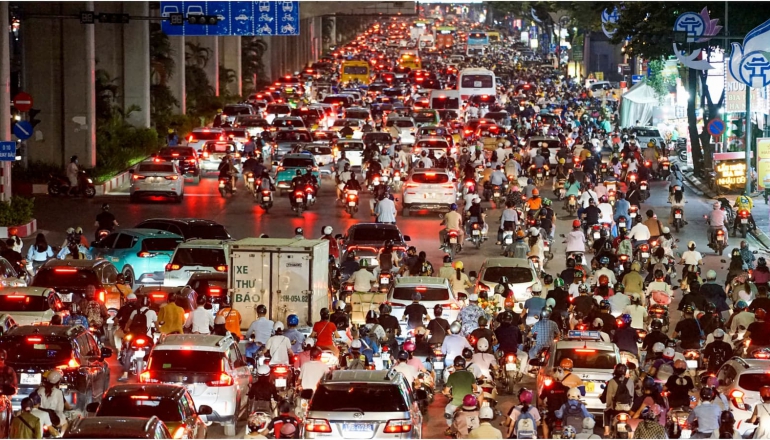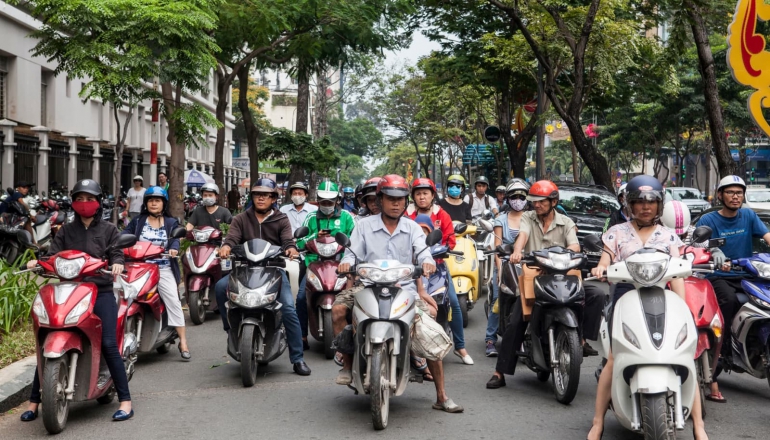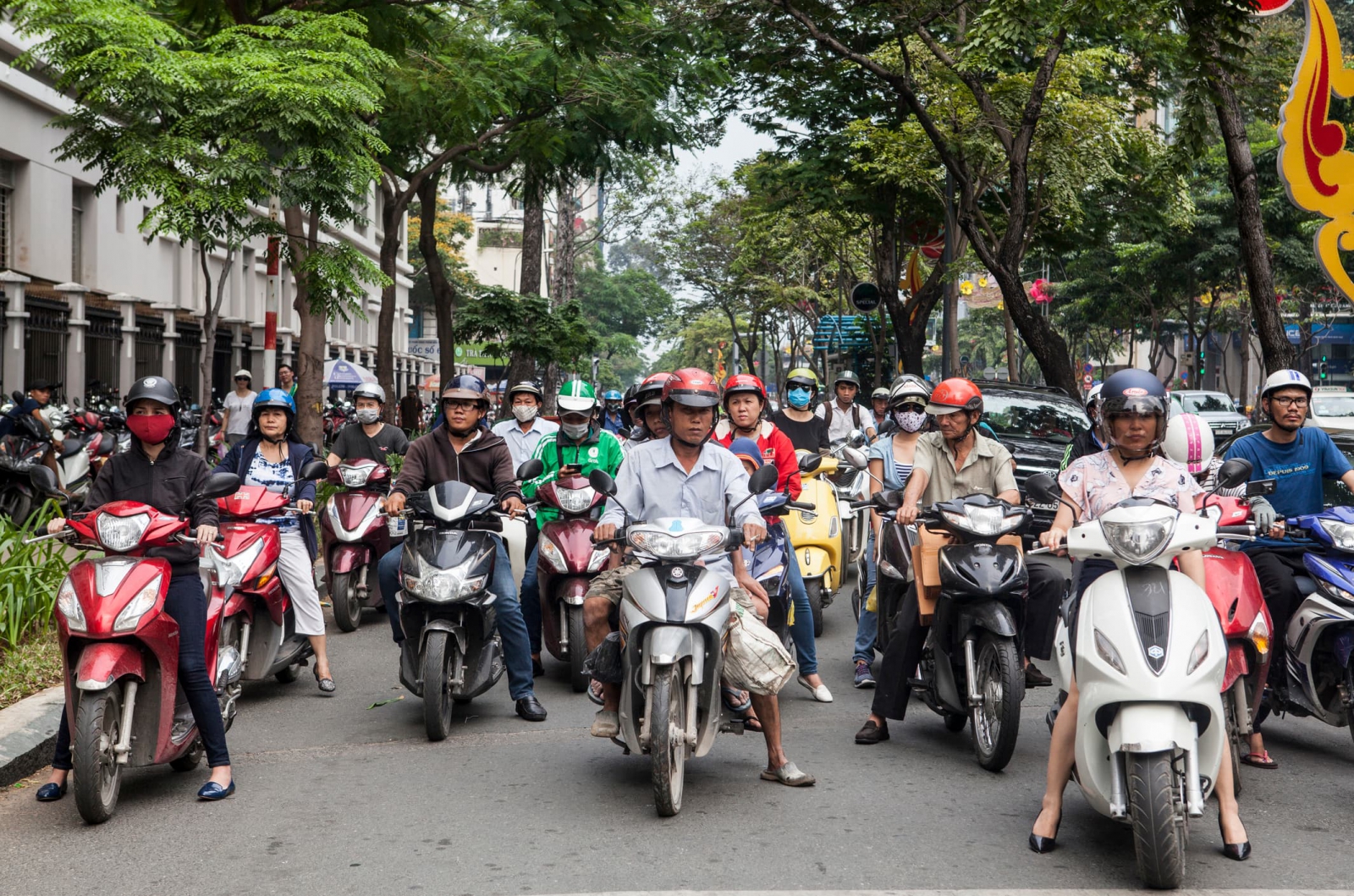
Hanoi plans a phased low-emission zone around Hoan Kiem Ward to improve air quality. (Photo: iStock)
Hanoi will launch a pilot low-emission zone (LEZ) on July 1, aiming to curb air pollution, ease congestion, and accelerate the transition to green mobility by restricting petrol-powered motorcycles and certain high-emission vehicles in central areas.
With less than three months before implementation, the electric two-wheeler market has already begun to heat up.
How will Hanoi’s three-phase LEZ plan impact drivers?
As Vietnam’s capital, Hanoi spans over 3,300 square kilometers and is home to around 10 million people. Rapid economic growth and a surge in private vehicle ownership have led to severe air pollution, with millions of vehicles on the road each day identified as a major contributor. In recent years, Hanoi has frequently ranked among the world’s most polluted cities. The rollout of the LEZ roadmap is expected to reshape travel habits for millions of urban residents.
Unlock the full article to explore three key takeaways:
- Hanoi will pilot a low-emission zone (LEZ) from July 1, initially restricting petrol-powered motorcycles during peak weekend hours within a 0.5 sq km core area of Hoan Kiem district, affecting around 20,000 residents.
- The plan will be rolled out in three phases, expanding to 3.6 sq km (about 137,000 people) in 2027, and further to 26 sq km (around 625,000 residents) by 2028–2029.
- Mid-range electric scooters, priced at roughly USD 760–1,140, are seeing the strongest demand, with some high-range models experiencing temporary shortages.