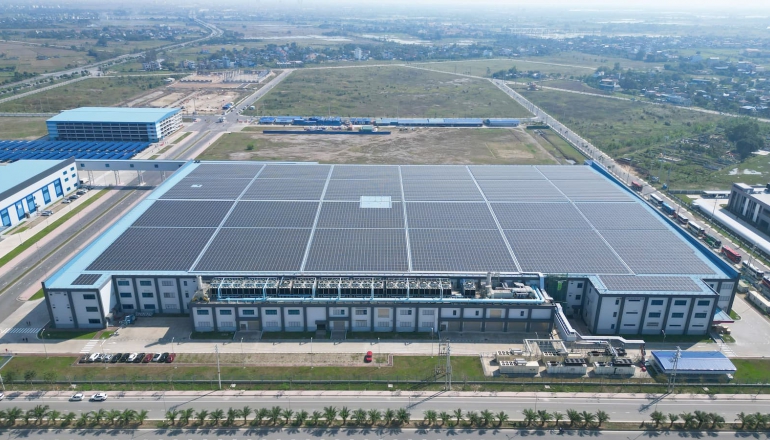
Vietnam sets rules for cross-border carbon trading, prioritizing the achievement of its nationally determined contributions (NDCs). (Photo: iStock)
Vietnam has officially introduced a legal framework governing cross-border greenhouse gas mitigation outcomes and carbon credit trading, marking a major step toward integration with the global carbon market.
Under the new rules, projects deploying technologies such as offshore wind, carbon capture, and green hydrogen will be allowed to transfer up to 90% of their generated carbon credits to other countries. The policy is expected to unlock new revenue streams for both the government and private sector, while supporting Vietnam’s national emissions reduction commitments. The regulation is set to take effect on May 19.
Unlock the full article to explore three key takeaways:
- Vietnam's Decree 112/2026 takes effect May 19, establishing the legal basis for cross-border carbon credit transfers.
- Advanced projects may transfer up to **90%** of credits; established technologies are capped at 50%.
- Sustainability provider SUSTAINIFY called the decree a "starting gun" for Vietnam's participation in the global carbon market.