.jpg)
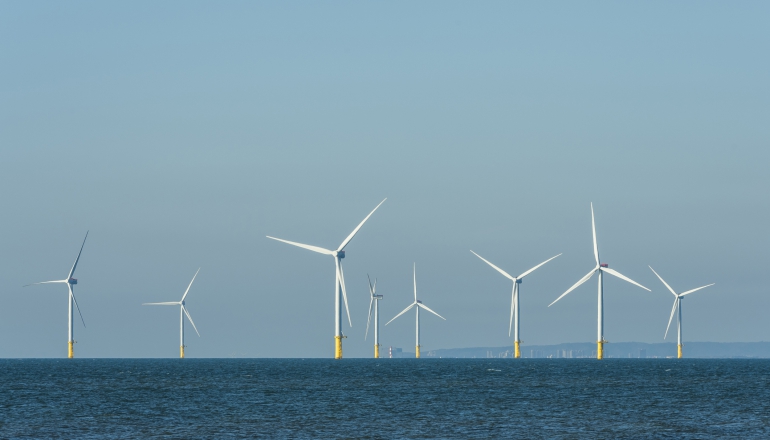
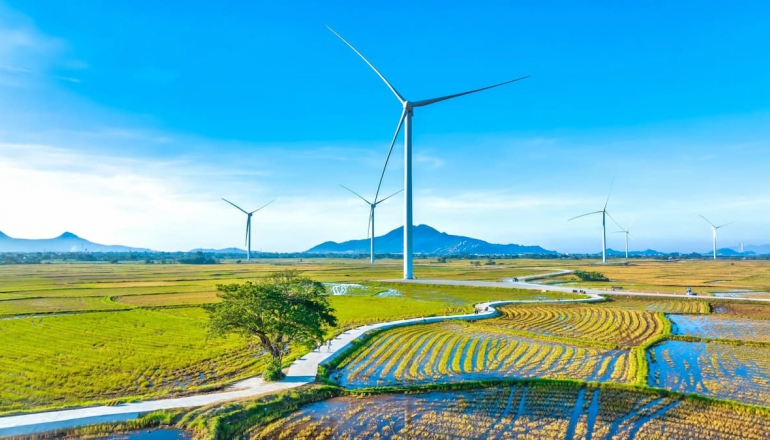
Vietnam’s offshore wind potential is drawing strong interest. (Photo: iStock)
The Vietnamese government is accelerating the deployment of offshore wind. The Ministry of Industry and Trade (MOIT) has announced the price cap for offshore wind procurement and is optimistic that the country’s first wind farm could start construction by the end of 2025.
The Global Wind Energy Council (GWEC) also sees Vietnam as one of the most promising emerging offshore wind markets in Asia, following regulatory and policy reforms.
The World Bank estimates that Vietnam’s offshore wind market could be worth up to USD 60 billion, with capacity capable of meeting 12% of the country’s total electricity demand by 2035. However, Bruno Jaspaert, chairman of EuroCharm, noted that offshore wind projects usually require six to seven years of development. Whether construction can begin before 2027 will be critical to meet the government’s targets.
With Vietnam accelerating its offshore wind ambitions, the focus now turns to the incentives and policies in place, the companies already moving into the market, and the risk that supply chain players must carefully assess before making any commitments.
Vietnam fast-tracks offshore wind with new regulations, subsidies
In terms of policy, Vietnam finalized its revised Power Development Plan 8 (PDP8) in April, reinstating offshore wind into the national power structure after it had previously been considered for removal. The plan also increases the share of nearshore and onshore wind, as well as solar power, in the country’s energy mix. In addition, Vietnam is actively exploring the feasibility of nuclear energy. These developments underscore the government’s policy direction to meet rising electricity demand through a low-carbon energy transition.
Read more: Vietnam approves $136 billion power plan to expand renewables, nuclear energy
According to local press, MOIT initially proposed delaying offshore wind development until after 2030 due to high capital costs, a lack of concrete investment plans, and uncertainties over project execution. However, the proposal was ultimately rejected. The finalized PDP8 set ambitious targets, aiming for up to 17,000 MW of installed capacity by 2030 and a significant increase to 139,079 MW by 2050.