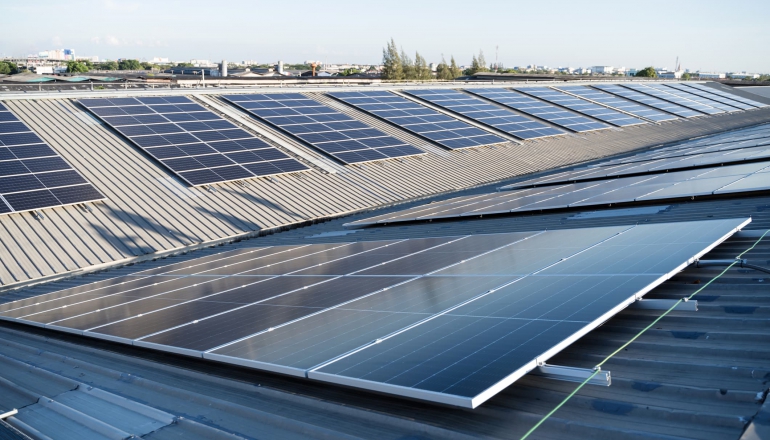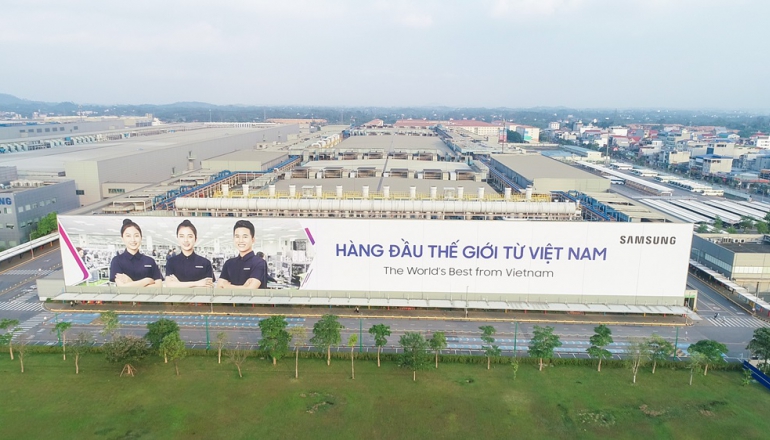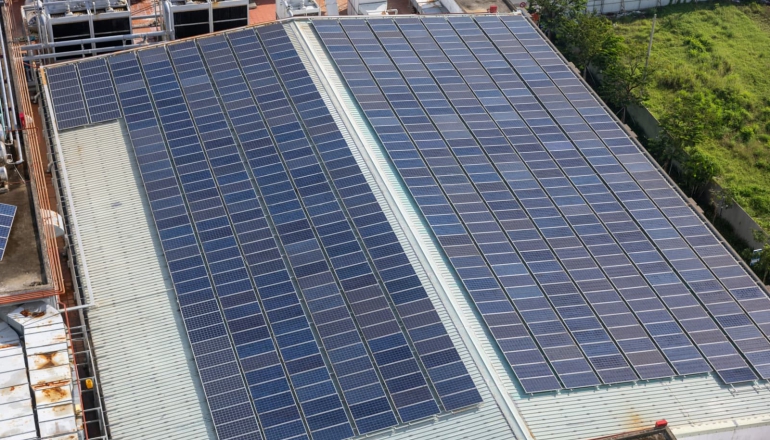
Vietnam is rolling out both a direct power purchase agreement framework and a two-component electricity pricing model. (Photo: iStock)
Vietnam’s power market is moving toward greater liberalization and transparency as the government loosens regulations to let supply and demand play a bigger role in determining electricity prices, a shift aimed at boosting the country’s international competitiveness. The reforms have not only given rise to a direct power purchase agreement (DPPA) framework that could accelerate the energy transition, but will also introduce a two-component electricity pricing mechanism designed to reflect actual power costs more accurately.
In this feature series, RECCESSARY examines the rollout of Vietnam’s two major electricity reforms, market response, and their impact on renewable energy developers, corporate power users, and the national power system.
Vietnam’s government officially introduced the DPPA mechanism in July 2024, marking the beginning of power market liberalization by breaking the long-standing monopoly of state utility EVN.
Previously, EVN served as the sole buyer in Vietnam’s power market, with all electricity required to be fed into the national grid before being centrally distributed and traded by the utility. Under the DPPA framework, large electricity consumers are now allowed to procure renewable power either through wheeling arrangements on the national grid or via direct supply through private transmission lines, significantly reducing reliance on EVN’s opaque operating model.
Taiwanese renewable energy developer Micro Electricity entered the Vietnamese market in 2023. Chairman Mindi Wang (王愍迪) told RECCESSARY that the DPPA mechanism allows power generators to reach end users directly, including corporate electricity buyers from Japan, South Korea, and Taiwan.
“These companies are often financially stronger than EVN, and their demand for electricity is very strong,” Wang said.
By introducing the DPPA framework, the Vietnamese government aims to bring private capital into the power sector, easing EVN’s financial burden while creating competition in what was previously a monopolized market. The reforms are also intended to attract more foreign investment and support broader economic growth.
Wang said Vietnam’s new leadership under To Lam has made economic development a national priority and is actively steering the country toward high tech and precision manufacturing industries, sectors that require enormous amounts of electricity. As a result, ensuring a stable power supply has become EVN’s top priority.
“You cannot have investors bring in capital, people, and factories, only to face three power outages a day,” Wang said. “For industries like semiconductors, it’s not just blackouts they cannot tolerate. Even unstable power quality is a problem.”
Unlock this article to learn three key takeaways
- Pilot rates under the two-component electricity pricing scheme are estimated to reduce manufacturing electricity costs by 30% to 38%, while also squeezing profit margins for solar developers.
- Vietnam Electricity (EVN) returned to profitability in 2025, but amid rising power demand and economic growth, questions remain over whether it can push ahead with multiple reforms at the same time.
- For export-oriented multinationals such as Samsung and Lego, the main driver for procuring green electricity is ESG compliance requirements rather than electricity prices.